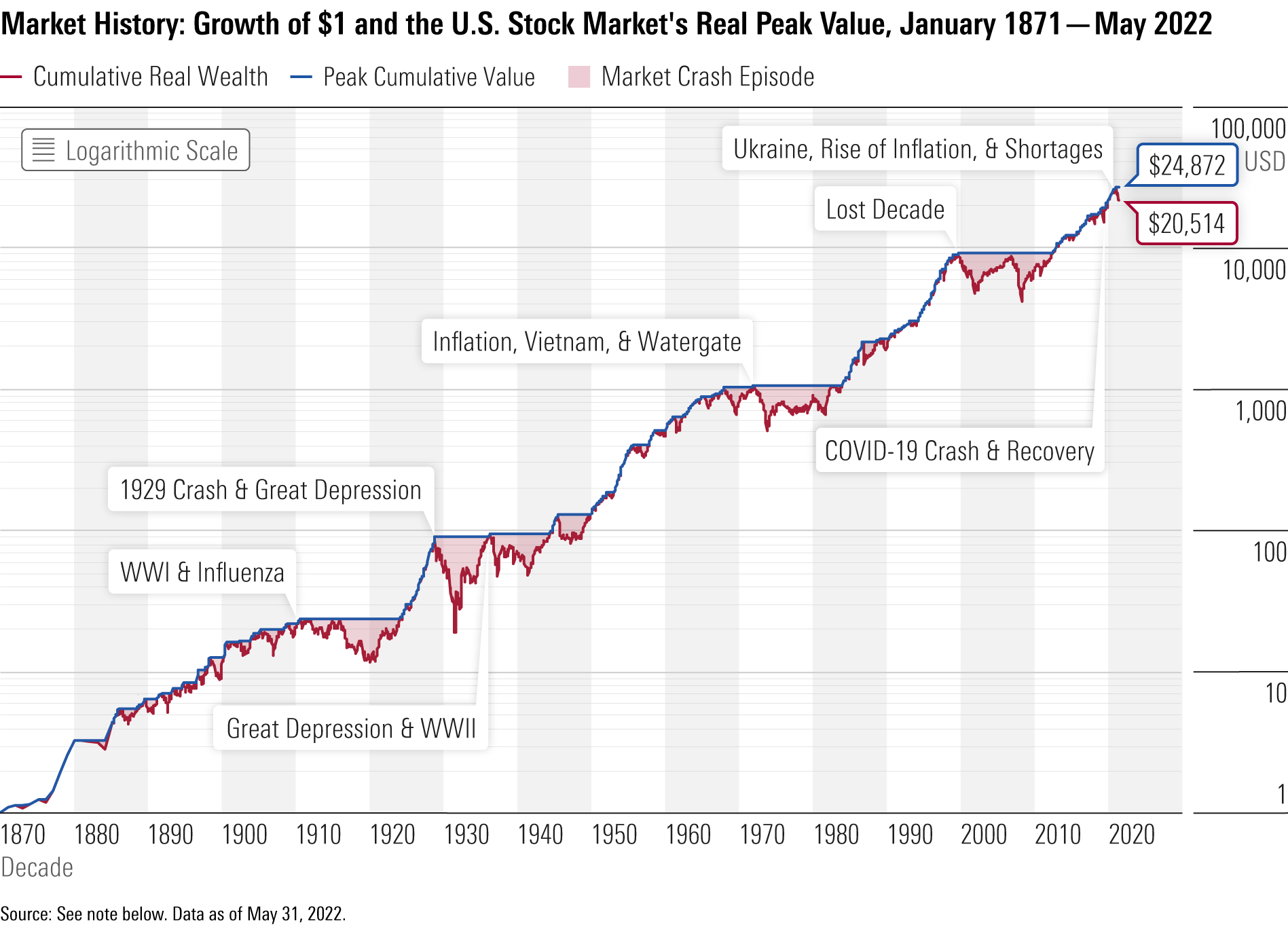
U.S. stocks have achieved new record levels, fueled by unprecedented liquidity and an exceptional earnings season. These factors reflect a strong recovery in the American financial markets, as major stock indices have recorded significant increases in recent weeks.
Reports indicate that major U.S. companies, such as those in the technology and finance sectors, have announced financial results that exceed expectations, contributing to increased investor confidence. These positive results come at a time when the U.S. economy is recovering from the COVID-19 pandemic, reflecting the ability of companies to adapt and grow in a changing economic environment.
Event Details
Last week, the Dow Jones Industrial Average recorded an increase of over 2%, while the S&P 500 surged to levels not seen since the beginning of the year. The Nasdaq Composite also achieved significant gains, supported by strong performances from major tech companies like Apple and Microsoft.
The increase in liquidity in the markets is a result of flexible monetary policies from the Federal Reserve, which has kept interest rates low to support economic growth. These policies have attracted more investments into the financial markets, leading to increased demand for stocks.
Background & Context
Over the past few years, U.S. financial markets have experienced significant volatility, especially during the COVID-19 pandemic. However, the current recovery reflects a strong response from both companies and investors. Rapid technological transformations and rising demand for digital services have contributed to enhancing the performance of many companies.
Moreover, the financial stimulus provided by the U.S. government during the pandemic has supported consumption and increased spending, positively impacting corporate performance. Together, these factors have created a favorable environment for economic growth.
Impact & Consequences
The achievement of record levels by U.S. stocks may have wide-ranging effects on the global economy. The rise in financial markets may enhance investor confidence in other markets, potentially leading to greater investment flows towards emerging markets.
This strong performance may also contribute to boosting domestic consumption, leading to increased demand for goods and services. However, investors should remain cautious of potential risks, such as rising inflation or unexpected changes in monetary policies.
Regional Significance
These developments in U.S. markets can affect Arab economies, particularly those linked to global financial markets. Increased investments in U.S. markets may lead to reduced financial flows towards Arab markets, potentially impacting economic growth in the region.
Furthermore, rising stock prices may encourage Arab companies to seek new investment opportunities in U.S. markets, reflecting the increasing interconnectedness of global economies.
In conclusion, it appears that U.S. markets are moving towards further recovery, opening new horizons for investors. However, Arab markets must remain vigilant to potential changes in the global investment environment.