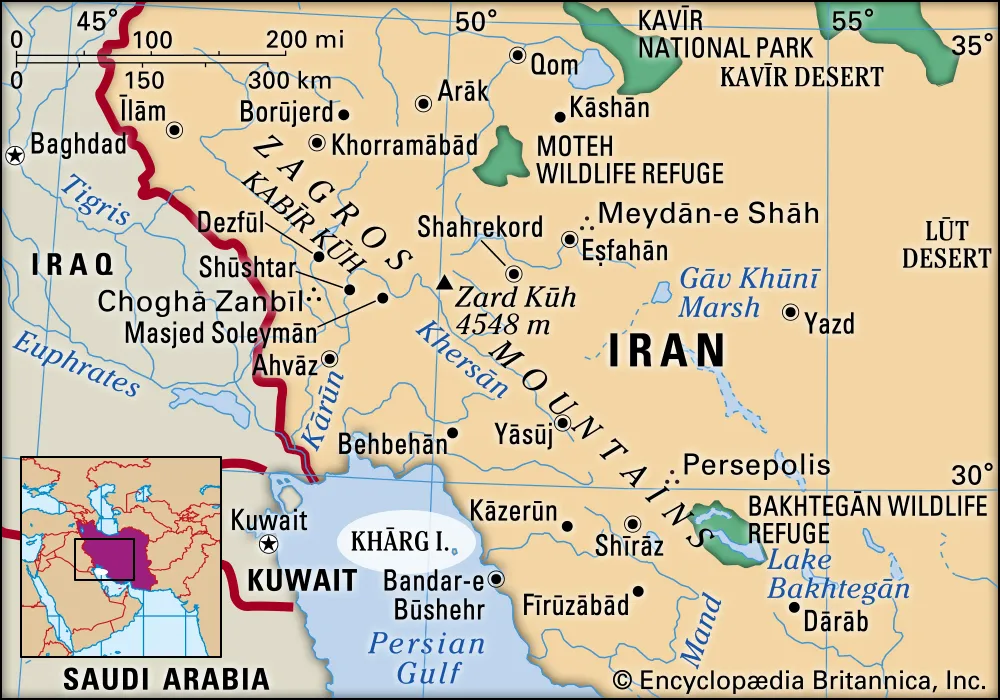
A strategic affairs researcher has unveiled the United States' plan to control Iranian Kharg Island, highlighting the political and military implications of this move. This strategy emerges during a sensitive time marked by increasing tensions in the region.
Kharg Island, located in the Arabian Gulf, is considered one of the most important strategic sites in the area, housing massive gas fields and playing a vital role in the Iranian economy. The researcher pointed out that US control over this island could lead to a shift in the balance of power in the region and enhance American influence in the Gulf.
Details of the Strategy
According to the researcher, the American strategy includes bolstering military presence in the region, as well as forming alliances with other Gulf states. This move is seen as part of a broader policy aimed at diminishing Iranian influence in the Gulf, which US officials regard as a threat to regional security.
The researcher also added that the United States aims to use Kharg Island as a launchpad for its military operations, allowing it to control maritime traffic in the Gulf. This could escalate tensions between Iran and the United States, especially given the mutual statements exchanged between the two sides.
Background & Context
Historically, Kharg Island has attracted the attention of major powers due to its strategic location. The region has witnessed numerous conflicts and disputes over the decades, with regional and international powers vying for control. In recent years, tensions between Iran and the United States have escalated, particularly following Washington's withdrawal from the Iranian nuclear deal in 2018.
Kharg Island is part of the complex geopolitical landscape of the Gulf, where economic and security interests intersect. Recent developments have heightened tensions, raising concerns within the international community.
Impact & Consequences
If the United States successfully implements its strategy to control Kharg Island, it could lead to significant changes in regional dynamics. Iran is likely to respond with countermeasures, potentially increasing the intensity of conflict in the area.
Moreover, the enhancement of US presence in the Gulf could affect relations between Gulf states and Iran, as some countries may find themselves compelled to take sides in this escalating conflict. This situation could exacerbate humanitarian and economic crises in the region.
Regional Significance
These developments are of great importance to Arab countries in the region, as they may impact their stability and security. Should tensions escalate, Arab nations might find themselves in a difficult position, needing to balance their national interests with regional security demands.
Furthermore, any escalation in the region could influence oil and gas prices, negatively impacting Arab economies that heavily rely on these resources. Therefore, monitoring these developments remains critically important.