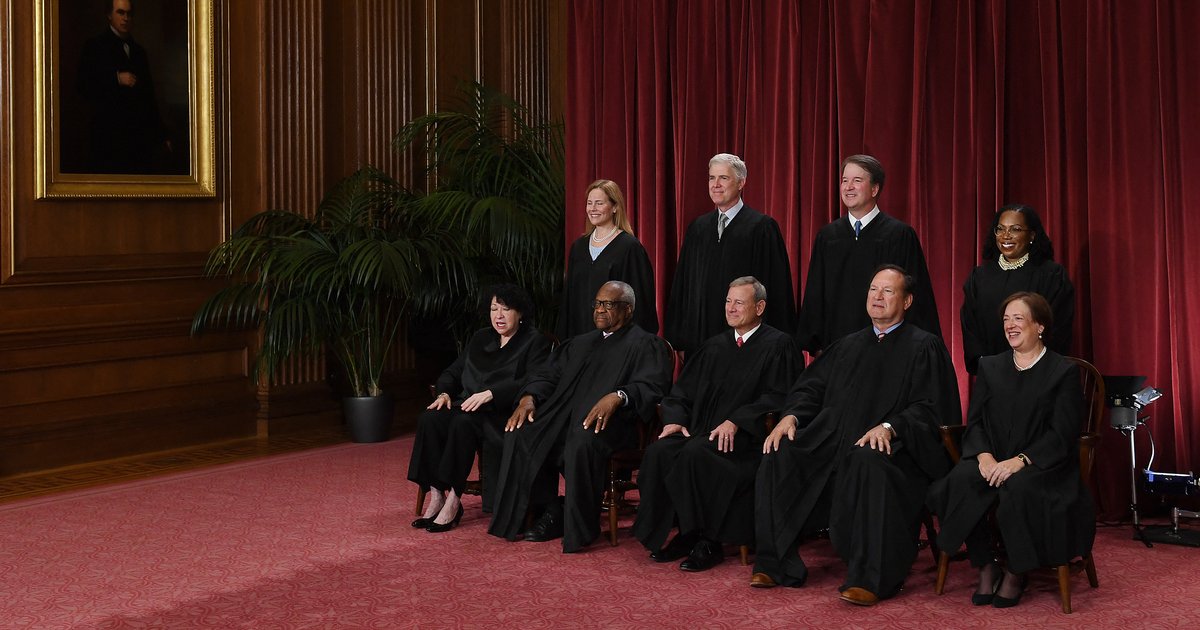
The US Supreme Court is facing a case concerning racial bias in jury selection, which may have profound implications for the future of death row inmates. The case involves a man sentenced to death, who claims that the jury that convicted him was influenced by racial bias. This case arises at a sensitive time as calls for reform in the US criminal justice system are increasing.
The case revolves around a man named Calvin Harris, who was sentenced to death for murder. His defense has raised concerns about how jurors were selected, alleging that there was racial discrimination in the selection process. The case represents a critical test for the Supreme Court, which deals with issues related to human rights and justice.
Details of the Case
The roots of the case date back to 2000 when Harris was sentenced to death. The ruling has been appealed several times, with the defense pointing out that the jury was disproportionately composed of individuals from a specific race, which affected the integrity of the trial. The Supreme Court will review the evidence presented, which includes data on jury composition in similar cases.
This case is not unique, as the United States has seen numerous cases related to racial bias within the justice system. However, this case could have broader implications for how justice is administered in the country, especially in cases involving the death penalty.
Background & Context
Historically, issues of racial bias in the criminal justice system have been a contentious topic in the United States. For decades, numerous instances have been documented where individuals from certain racial backgrounds have been excluded from juries, leading to unfair trials. In recent years, calls for reforming the justice system have increased, focusing on the importance of forming juries that reflect the diversity of society.
The Harris case is part of this broader context, highlighting the challenges faced by individuals from minority backgrounds within the justice system. The case also comes at a time when discussions about social justice and equality are intensifying, making it central to current debates.
Impact & Consequences
If the Supreme Court rules in favor of Harris, it could lead to significant changes in how juries are formed in the future. This could be seen as a step towards achieving justice, enhancing community trust in the criminal justice system. Conversely, if the court decides not to accept the appeal, it may be viewed as a setback for progress made in the field of human rights.
The potential impacts of this case extend beyond the borders of the United States, as it could inspire similar cases in other countries. Furthermore, the discussion surrounding racial bias in the justice system may open doors for further reforms in justice systems worldwide.
Regional Significance
Although the case pertains to the American justice system, it has important implications for the Arab region. The discussion around justice and equality of rights is a vital topic in many Arab countries, where communities face similar challenges related to discrimination and justice. This case could serve as an inspiration for human rights activists in the Arab world as they strive for justice and equality in their societies.
In conclusion, the case of Calvin Harris represents a crucial test for the US Supreme Court, shedding light on the ongoing challenges within the criminal justice system. The outcomes of this case could significantly affect the future of death row inmates and open discussions about racial bias in trials.