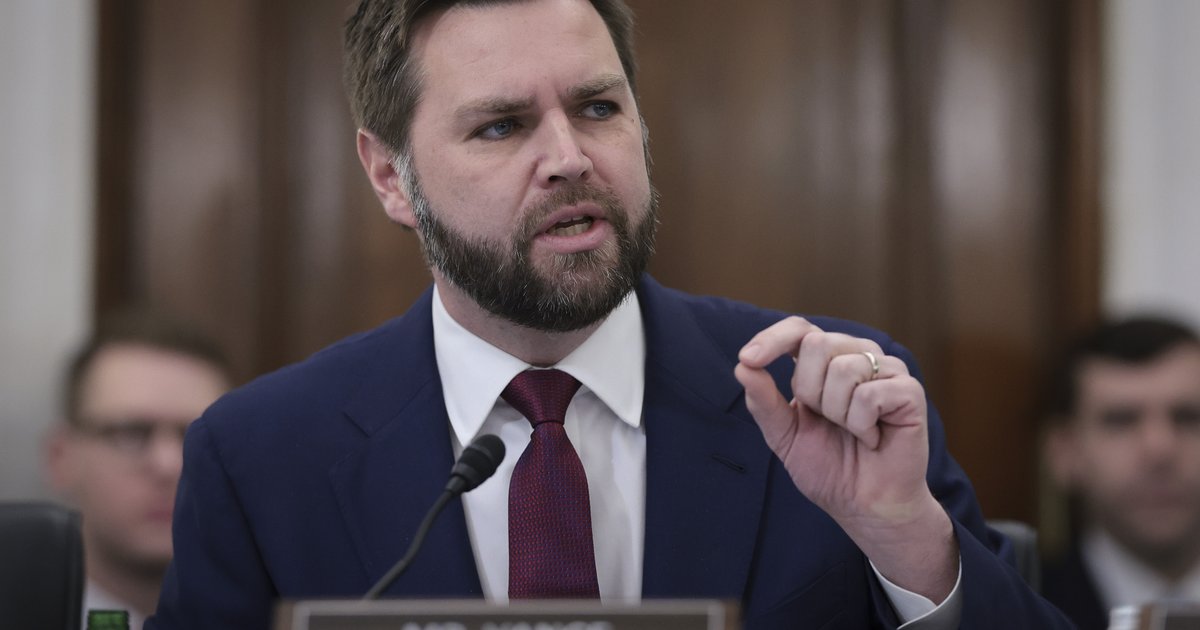
In a controversial move, U.S. Vice President J.D. Vance expressed his admiration for Hungarian Prime Minister Viktor Orbán during a large campaign rally in Budapest, reflecting unexpected American support ahead of the Hungarian elections set for April 12. This backing arrives at a time when Orbán is facing significant challenges, as he does not appear to be the favored candidate in this election.
During his speech, Vance emphasized the importance of U.S.-Hungarian relations, noting that Orbán represents a model of strong leadership in Europe. This endorsement comes at a sensitive time, as Orbán seeks to maintain his authority amid increasing criticism from the opposition and the international community.
Details of the Event
At the large campaign rally, the U.S. Vice President conveyed his support for Orbán, who has governed Hungary for over a decade. Vance pointed out that Orbán has taken bold steps in political and economic areas, which have helped bolster stability in the country. He also stressed the importance of cooperation between the United States and Hungary in addressing global challenges.
Despite the American support, Orbán faces strong opposition from other political parties, which are striving to change the existing regime. The upcoming elections are seen as a true test of the strength of Orbán's popular support, especially in light of the economic and social crises the country is experiencing.
Background & Context
Viktor Orbán first became Prime Minister of Hungary in 1998 and returned to power in 2010 after his party, Fidesz, won the elections. Since then, Orbán has made several controversial decisions, including constitutional amendments and restrictions on press freedom. These policies have drawn criticism from the European Union and human rights organizations.
Historically, Hungary has been a center for many significant political events in Europe and has undergone radical transformations since the fall of the communist regime in 1989. However, tensions between the current government and the European Commission are increasing due to the policies pursued by the government.
Impact & Consequences
The U.S. support for Orbán is viewed as a strategic move amid rising tensions between the West and Russia. This backing could strengthen Orbán's position in the elections, but it may also exacerbate internal divisions in Hungary. While Orbán seeks to consolidate his power, the opposition is seizing this opportunity to highlight social and economic issues that concern voters.
The potential effects of this American support could extend to other countries in the region, where it may encourage other leaders to adopt a similar approach in their relations with Washington. Additionally, this support could bolster the far-right's position in Europe, raising concerns about the future of democracy on the continent.
Regional Significance
Although events in Hungary may seem distant from the Arab region, there are lessons to be learned. U.S. support for strong regimes may influence how Arab countries engage with the United States. Amid regional tensions, some Arab governments may seek to strengthen their ties with Washington to secure its backing in facing internal and external challenges.
In conclusion, it remains to be seen how these elections will affect Hungary's future and whether U.S. support will yield the desired results for Orbán. Events in Hungary could be indicative of political trends in Europe and may also cast shadows on policies in the Arab region.