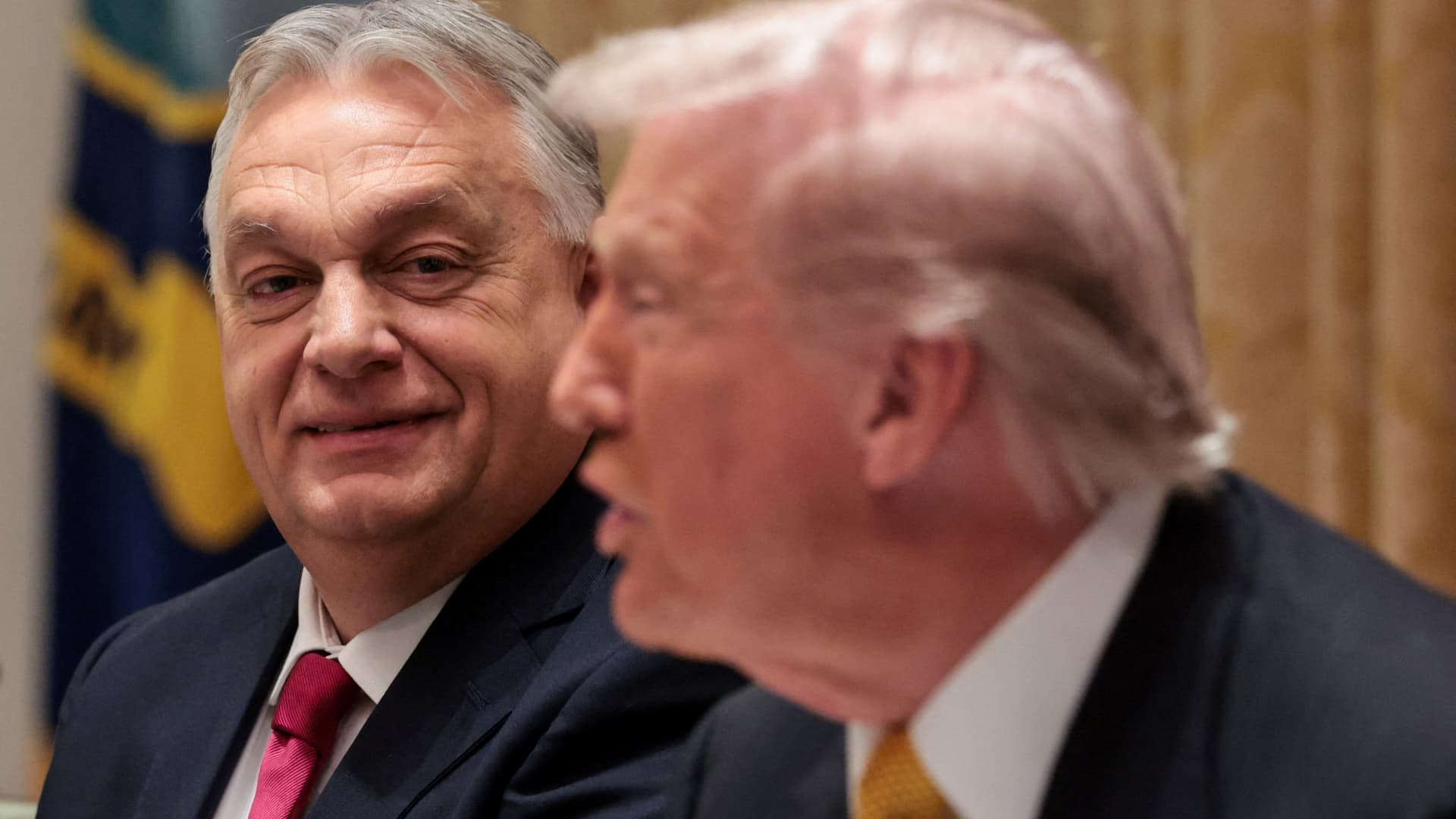
Hungarian Prime Minister Viktor Orban is preparing for a decisive election that could mark the end of his 16-year tenure, with forecasts indicating that his party, Fidesz, may face defeat against the pro-European opposition party, Tiza. In this context, US Vice President JD Vance is visiting Hungary to support Orban ahead of the elections scheduled for Sunday.
Vance's visit comes at a time when Orban is facing significant political challenges, having indicated that the European Union poses a greater threat to Hungary than Russia. While many European countries have taken a clear stance in support of Ukraine in its conflict with Russia, Orban maintains close ties with Russian President Vladimir Putin.
Event Details
Recent polls suggest that Orban and his party are on track to lose the elections to Peter Magar, the leader of the opposition party Tiza, which is seen as a viable alternative to Orban. This election is considered one of the most important in Europe this year, with discussions centered around issues such as immigration, rising energy prices, corruption, and violations of the rule of law.
These violations have led to the European Commission suspending EU funding for Hungary, with approximately 17 billion euros still frozen. Magar has confirmed that unlocking these funds will be one of his priorities, indicating his readiness to strengthen relations with the EU, including the potential adoption of the euro.
Background & Context
Historically, Hungary has undergone significant political transformations since joining the EU in 2004. Under Orban's leadership, the country has pursued a foreign policy characterized by defiance towards Brussels, resulting in tensions with the European Commission. In recent years, concerns over Russian influence in the region have prompted many European countries to adopt more cautious policies towards Moscow.
Despite the challenges, it does not appear that a potential new government led by Magar would implement radical changes to the policies pursued by Orban. Issues such as immigration and support for Ukraine remain contentious points, as Tiza has taken a cautious stance regarding Ukraine's ambitions to join the EU.
Impact & Consequences
Magar's presidency could signify a shift in Hungary's foreign policy, potentially bringing the country closer to its Western allies on issues such as unity against Russia. However, internal challenges such as corruption and rising energy prices will persist, which may affect the new government's ability to fulfill its promises.
Concerns are growing over external interference in the elections, with reports focusing on the spread of misinformation via social media. These concerns could impact the election results and complicate the political landscape in Hungary.
Regional Significance
The developments in Hungary are particularly significant for the Arab region, as they reflect the political and economic challenges faced by many countries. Additionally, the relations between European nations and Russia affect security and energy in the region, necessitating close monitoring by Arab states.
In conclusion, the Hungarian elections represent a real test for European policies in the face of global challenges, and they may have wide-ranging implications for international relations, including those involving Arab countries.