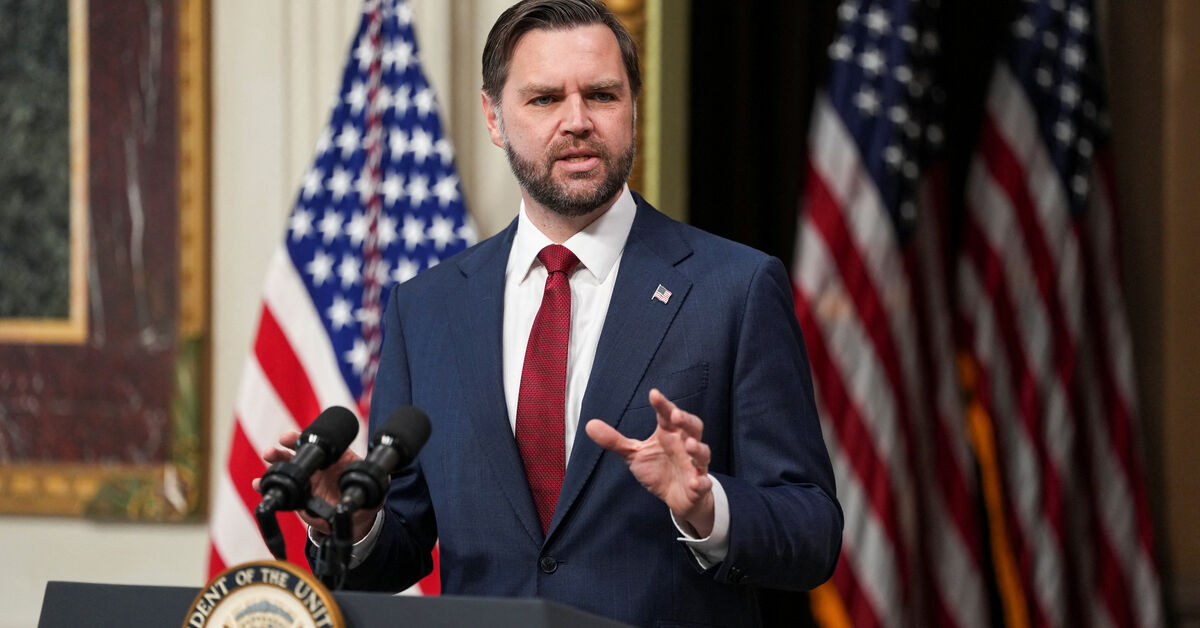
U.S. Vice President JD Vance disclosed his communication with mediators from Pakistan concerning the Iranian conflict earlier this week. This move highlights Vance's growing role in mediation efforts aimed at resolving the ongoing dispute in the region. According to informed sources, Vance has shown a readiness to explore the possibility of a ceasefire, provided that certain U.S. demands are met.
These developments come at a sensitive time as President Donald Trump seeks to make progress in U.S. foreign policy, particularly in the Middle East. Vance, acting on Trump’s directives, indicated that the U.S. administration is open to the idea of a ceasefire, contingent upon the reopening of the Strait of Hormuz, a vital corridor for maritime shipping and oil.
Details of the Engagement
The Vice President's communication with mediators from Pakistan reflects the U.S. administration's deep interest in resolving the Iranian conflict. This outreach occurs amidst escalating tensions in the region, where fears of military escalation that could affect regional stability are growing. This step may represent a new beginning in U.S.-Iranian relations, which have seen severe strains in recent years.
The Strait of Hormuz is a strategically important point, through which approximately 20% of the world's total oil passes. Therefore, its reopening would have significant implications for the global economy, in addition to affecting oil prices. Furthermore, any agreement for a ceasefire could help calm the situation in the region and reduce potential risks.
Background & Context
Historically, U.S.-Iranian relations have experienced increasing tensions since the Islamic Revolution in 1979. These relations further deteriorated after the U.S. withdrawal from the Iranian nuclear deal in 2018. Since then, the U.S. has imposed strict economic sanctions on Iran, exacerbating the country's economic situation and increasing military tensions in the region.
In recent years, the region has witnessed a rise in military activities, including attacks on oil tankers and oil facilities. These events have prompted the international community to seek diplomatic solutions to avoid a larger escalation that could lead to a comprehensive military conflict.
Impact & Consequences
If the mediation efforts led by the U.S. Vice President succeed, they could lead to a radical change in regional dynamics. A ceasefire could improve relations between the U.S. and Iran, potentially opening the door for broader negotiations that include other issues such as the Iranian nuclear program.
Moreover, any agreement could contribute to regional stability, benefiting neighboring countries that are suffering from the repercussions of the conflict. Additionally, stabilizing oil prices would have a positive impact on the global economy, which is currently experiencing significant fluctuations due to ongoing crises.
Regional Significance
Arab countries neighboring Iran, such as Iraq, Syria, and Lebanon, are among the most affected by the Iranian conflict. Any progress towards ending the dispute could help improve security and economic conditions in these countries. Furthermore, regional stability could enhance opportunities for regional cooperation in various fields, including trade and security.
In conclusion, the U.S. Vice President's engagement with mediators from Pakistan represents an important step towards achieving peace in a region plagued by ongoing conflicts. The success of these efforts could open new avenues for regional and international cooperation, benefiting all parties involved.