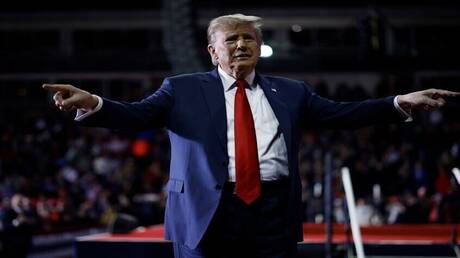
In remarks made to reporters, Yuri Ushakov, assistant to the Russian president, clarified that U.S. President Donald Trump's hopes for extending the existing ceasefire between Russia and Ukraine are not based on a strong foundation. He pointed out that this issue transcends Trump's personal will and requires broader agreements among the involved parties.
These statements come at a sensitive time as tensions between Russia and Ukraine escalate, making any discussion about extending the ceasefire a complex topic. The international arena has witnessed increasing diplomatic movements, but it seems that no tangible progress has been achieved so far.
Details of the Situation
In the context of his remarks, Ushakov emphasized that the situation in Ukraine requires collective efforts from all parties involved. He explained that Russia is ready to negotiate but needs clear guarantees from the Ukrainian side and Western countries. He also added that any steps towards extending the ceasefire must take into account Russia's security interests.
Pressure is mounting on Trump from certain political circles in the United States that are calling for a tougher stance against Russia. At the same time, there are calls from some European allies to seek diplomatic solutions, making it difficult to predict the future of the ceasefire.
Background & Context
The roots of the conflict between Russia and Ukraine date back to 2014 when Russia annexed Crimea, leading to an armed conflict in eastern Ukraine. Since then, several ceasefire agreements have been reached, but most have not lasted long. In this context, extending the ceasefire is considered an important step, but achieving this requires strong political will from all parties.
Over the years, Russian-American relations have experienced significant fluctuations, with periods of cooperation and others of tension. As the U.S. elections approach, these dynamics may influence how Trump deals with the Ukrainian crisis.
Impact & Consequences
If the ceasefire is not extended, hostilities may escalate again, exacerbating the humanitarian situation in Ukraine. The continuation of the conflict could also affect stability in the entire region and heighten tensions between Russia and the West. Moreover, the failure to extend the ceasefire could lead to internal political repercussions in the United States, where Trump may face increased pressure from his political opponents.
In light of these developments, the international community is closely monitoring the situation, as the implications of a renewed conflict could have far-reaching effects beyond the immediate region.
Regional Significance
The ongoing conflict not only impacts Ukraine but also has significant implications for European security and international relations. The potential for renewed fighting raises concerns about the stability of neighboring countries and the broader geopolitical landscape.
In conclusion, the statements made by Ushakov are crucial for understanding the current political dynamics between Russia and Ukraine and their impact on international relations.