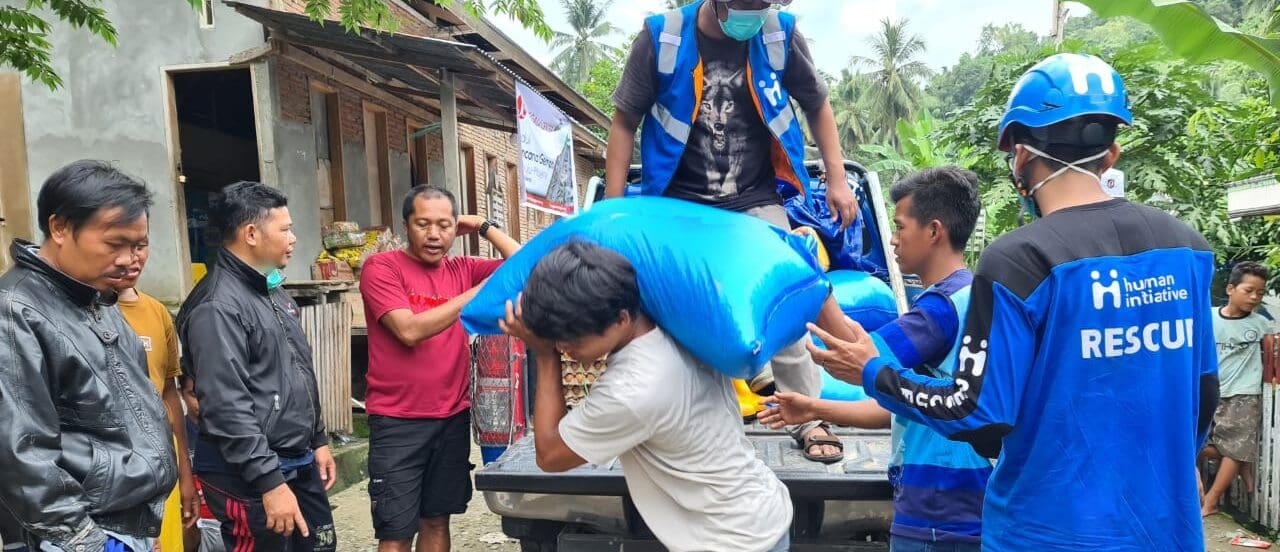
General Suharyanto, the head of Indonesia's Disaster Management Agency, visited the Bunda Hati Kudus Church in the Romangkor area of North Minahasa after a devastating earthquake struck the region with a magnitude of 7.6 on Thursday, April 2. The visit was aimed at assessing the damage to the church, which is currently being used for Good Friday celebrations.
During the visit, Suharyanto emphasized the importance of coordinating with the North Minahasa provincial government to address the damage to the buildings. He also provided financial support amounting to 10 million Indonesian rupiah, along with food packages for children and the elderly at the church.
Details of the Event
The earthquake occurred at 5:48 AM local time, with its epicenter located in the sea, 129 kilometers southeast of Bitung City, at a depth of 33 kilometers. The earthquake resulted in one fatality and several injuries, in addition to damaging parts of the church and collapsing a wing of the KONI building in Manado.
This disaster is one of many earthquakes that Indonesia has experienced, as it is situated on the Pacific Ring of Fire, making it prone to earthquakes and volcanic activity. Reports indicate that the earthquake affected several surrounding areas, prompting a swift response from local authorities.
Background & Context
Historically, Indonesia has witnessed numerous devastating earthquakes, with the 2004 tsunami earthquake being one of the most significant natural disasters to impact the country. Since then, the Indonesian government has worked to improve disaster management strategies and develop infrastructure to cope with such disasters.
The Indonesian Disaster Management Agency (BNPB) is responsible for coordinating relief and recovery efforts following disasters. Its capabilities have been strengthened over the past years, enabling it to respond more quickly and effectively in emergencies.
Impact & Consequences
Natural disasters such as earthquakes require immediate responses from the government and the community, as they directly affect people's lives. Providing financial and food support to those in need is a crucial step in the recovery process and reflects the government's commitment to assisting the affected.
These events also raise questions about the country's preparedness for future disasters and the effectiveness of the plans in place to mitigate damage. Continuous investment in infrastructure and disaster management training is necessary to ensure the safety of citizens.
Regional Significance
Although Indonesia is geographically distant from the Arab world, natural disasters remain a global issue that affects all countries. Arab nations can benefit from Indonesia's disaster management experiences, especially in light of climate changes that may lead to an increase in natural disasters.
International solidarity in the face of disasters underscores the importance of cooperation among nations, as Arab countries can offer support and assistance to nations affected by disasters, thereby enhancing humanitarian relations between peoples.