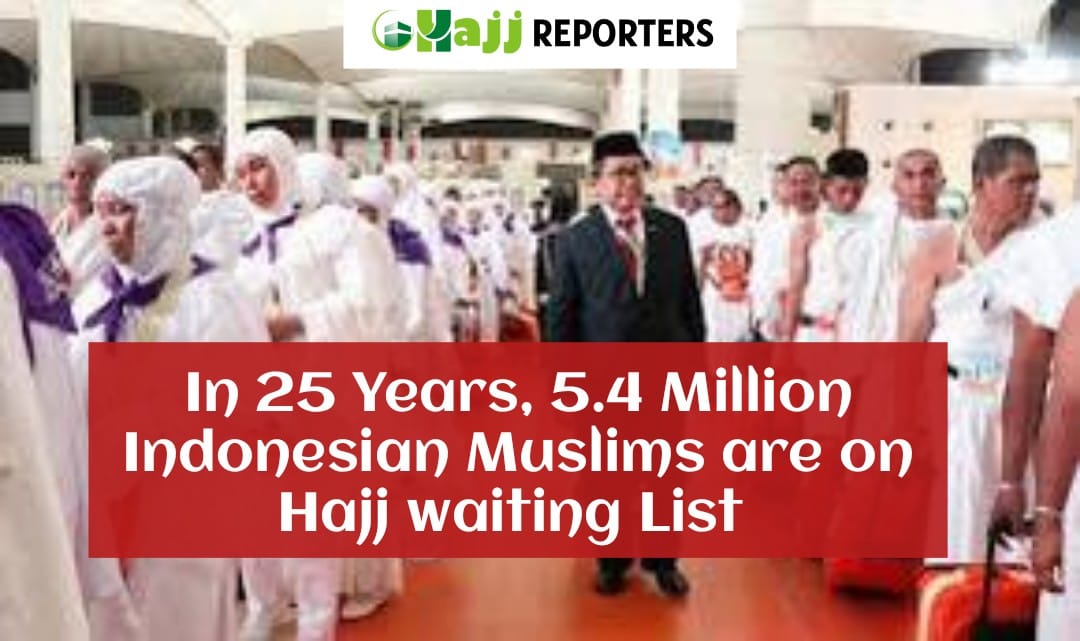
The Ministry of Hajj and Umrah in Bandung, Indonesia, has announced that the waiting period for performing Hajj has reached 27 years, which reflects the significant challenges the country faces in organizing this sacred worship. This was stated by Andi M. Arif, head of the ministry's office in the city, during a press conference held on Wednesday.
Arif noted that the number of registered individuals on the waiting list for Hajj in Bandung has exceeded 45,000 people, indicating the increasing demand for this worship. The registration system has been adjusted to be fairer, as a waiting list system is now used in every province and city, ensuring a more equitable distribution of opportunities.
Details of the Waiting Period
In discussing the waiting list, Arif clarified that the number of registered individuals in Bandung alone is 1,679 people, highlighting the urgent need to expand the quota allocated for Hajj. He also urged citizens not to hesitate to register early, as the long waiting period requires good planning.
Arif confirmed that registration is open year-round, and parents can register their children before they reach the age of 17 years, allowing them the opportunity to perform Hajj at a young age. He pointed out that if a person registers at the age of 12 years, they are expected to be able to perform Hajj when they reach 39 years.
Background & Context
Hajj is one of the most important religious rituals in Islam, with millions of Muslims from around the world traveling to Mecca to perform this worship. With the increasing number of Muslims in Indonesia, the largest Muslim-majority country by population, the pressure on Hajj services has become more evident. In recent years, there has been a rise in the number of registrants for Hajj, leading to longer waiting periods.
Historically, Indonesia has faced challenges in organizing Hajj, as the allocated quotas have been affected by various factors, including political and economic decisions. However, the Indonesian government is working to improve the Hajj system and provide more opportunities for Muslims to perform this worship.
Impact & Consequences
Long waiting periods cause frustration for many Muslims who wish to perform Hajj, which may affect their sense of belonging and spirituality. This situation also highlights the need for improved infrastructure and services provided to pilgrims, including accommodation and transportation.
Moreover, the long waiting periods may increase pressure on the government to provide more resources and funding to enhance Hajj services, which could impact the national budget. It is crucial for the government to take effective steps to address this issue to ensure a positive experience for pilgrims.
Regional Significance
Indonesia is part of the Islamic world, and any challenges it faces in organizing Hajj may also affect Arab countries. With the increasing number of pilgrims from Indonesia, there may be a need to improve coordination among Islamic countries to ensure better services for pilgrims.
This issue also reflects the importance of cooperation among Islamic countries in the field of Hajj, where Arab nations can play a significant role in supporting Indonesia in enhancing Hajj services and providing more opportunities for Muslims to perform this worship.
The long waiting period for performing Hajj in Indonesia highlights the challenges the country faces in organizing this worship. It is essential for the government to improve the services provided to pilgrims to ensure a positive experience that reflects the true spirit of Islam.