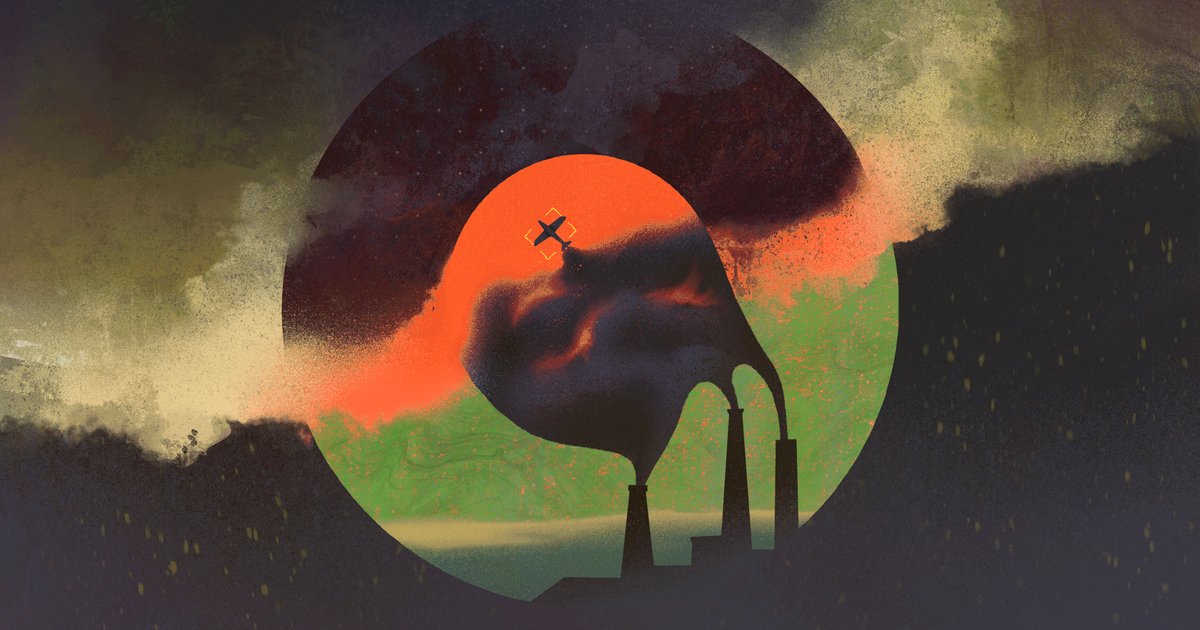
The current situation in Iran demonstrates that the war has not only impacted human lives but has also left serious environmental consequences that may persist long after the conflict ends. Since the onset of fighting, Tehran's skies have been filled with dark, foul-smelling rain, alarming residents about air and water quality.
On March 8, Israel launched attacks on over 30 oil facilities in Iran, resulting in massive fires and toxic emissions. These attacks have not only affected the oil infrastructure but have also led to environmental degradation across vast areas, including the Gulf and Lebanon.
Event Details
Reports indicate that the war has released more than 5 million tons of carbon dioxide in the first two weeks of the conflict. It is estimated that each missile strike emits approximately 0.14 tons of CO2, equivalent to driving a car for 350 miles. These emissions come from various sources, including aircraft, ships, and military operations.
Research shows that over 50,000 housing units in Lebanon were destroyed or damaged during the first 45 days of the war, including 17,756 units that were completely destroyed. In Iran, 7,645 buildings were demolished, including military facilities, highlighting the devastating impact of the conflict on infrastructure.
Background & Context
Historically, wars have been considered major contributors to environmental degradation. Armed conflicts lead to the destruction of natural habitats and the pollution of water and soil. In the current war, agricultural areas in both Lebanon and Iran are under severe environmental stress, threatening food security in the region.
The environmental changes resulting from the war serve as additional pressures on the fragile ecosystems in the Gulf, which are already suffering from rising temperatures, industrial activity, and loss of natural habitats.
Impact & Consequences
The effects of war extend beyond visible damage, as pollutants from conflicts lead to long-term changes in soil and water quality. The toxic materials released by explosions can accumulate in the food chain, posing health risks to both humans and animals.
Estimates suggest that approximately 68% of agricultural areas in Lebanon have been directly or indirectly affected by the conflict. These figures raise concerns about local communities' ability to restore their agricultural lands once the fighting ceases.
Regional Significance
These environmental conditions impact neighboring countries, as pollutants can cross borders. The environmental degradation in Iran and Lebanon threatens the food and health security of other Arab nations, necessitating a collective response from Arab countries to address these challenges.
In conclusion, the ongoing war in Iran stands out as a conflict with devastating environmental repercussions, calling for greater international attention to address these urgent environmental issues.