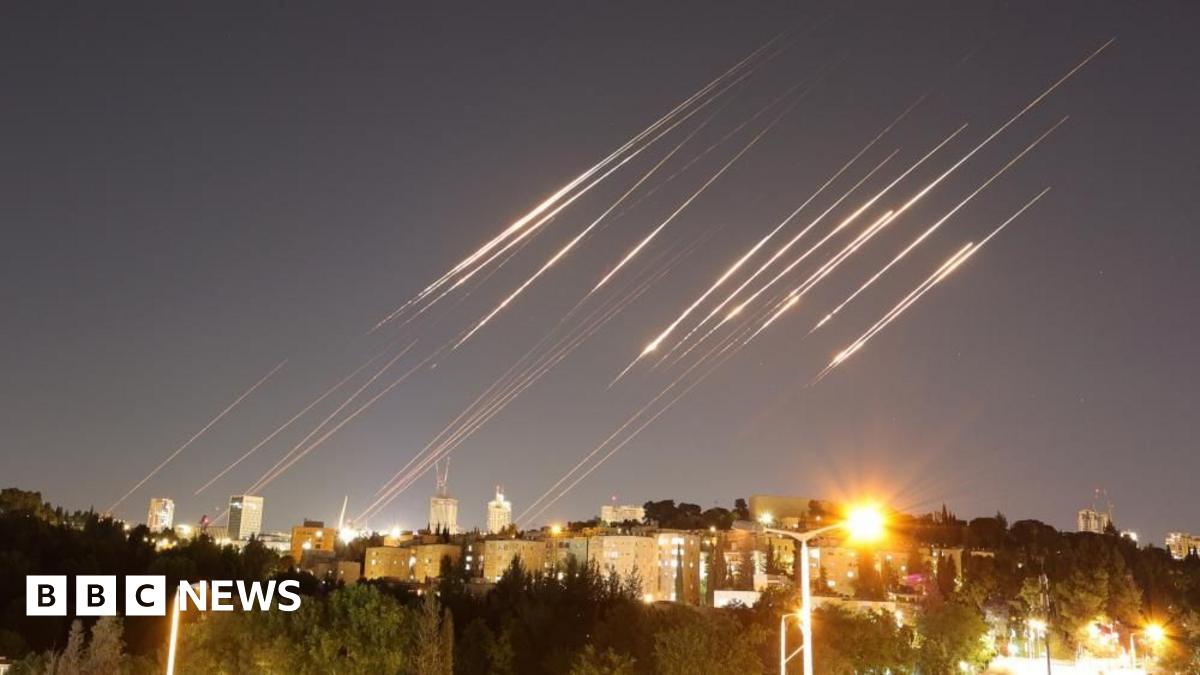
The ongoing war with Iran has significantly impacted the global aviation sector, leading to drastic changes in air transport policies and flight markets. The sector is witnessing notable shifts in flight paths and airline strategies.
Amid military escalation and political tensions, many airlines have reevaluated their operational strategies. Some airlines have canceled flights to areas deemed dangerous, while others have adjusted their routes to avoid Iranian airspace. These transformations reflect the growing concern over the risks associated with the conflict.
Details of the Event
Events in the region have accelerated following the escalation of hostilities between Iran and Western nations, resulting in new restrictions on aviation. According to reports, airlines such as British Airways and Emirates have suspended flights to certain destinations in the Middle East, affecting passenger movement and trade.
Additionally, airlines that rely on Iranian airspace as part of their long-haul routes have found themselves forced to change their plans, increasing operational costs and impacting flight schedules.
Background & Context
Historically, the global aviation sector has faced numerous challenges due to regional conflicts. However, the war with Iran represents a new turning point, as the current tensions differ from previous crises due to their direct impact on global flight operations.
Iran, being one of the key countries in the region, plays a pivotal role in aviation movement, as its airspace is an important transit point for flights between Europe and Asia. With rising tensions, it has become essential for airlines to reassess their strategies.
Impact & Consequences
The effects of the war with Iran extend beyond the aviation sector, impacting the global economy as a whole. Rising aircraft insurance costs and increased fuel prices are all factors affecting airfare and travel costs.
These changes may also lead to a decline in tourism, as travelers might avoid traveling to areas considered unsafe. This, in turn, affects local economies that rely on tourism as a primary source of revenue.
Regional Significance
For Arab countries, the war with Iran raises new concerns about security and stability. Many countries in the region rely on aviation as a means of commercial and tourist communication, and any disruption in this sector could negatively impact their economies.
Moreover, the tensions may lead to an increase in airfare, burdening travelers and affecting trade movement between Arab nations. Under these circumstances, it becomes essential for governments and companies to work together to find effective solutions to address the new challenges.
In conclusion, the war with Iran reflects the ongoing challenges faced by the global aviation sector. As the conflict continues, it will be important to monitor how the situation evolves and its impact on aviation movement and regional economies.