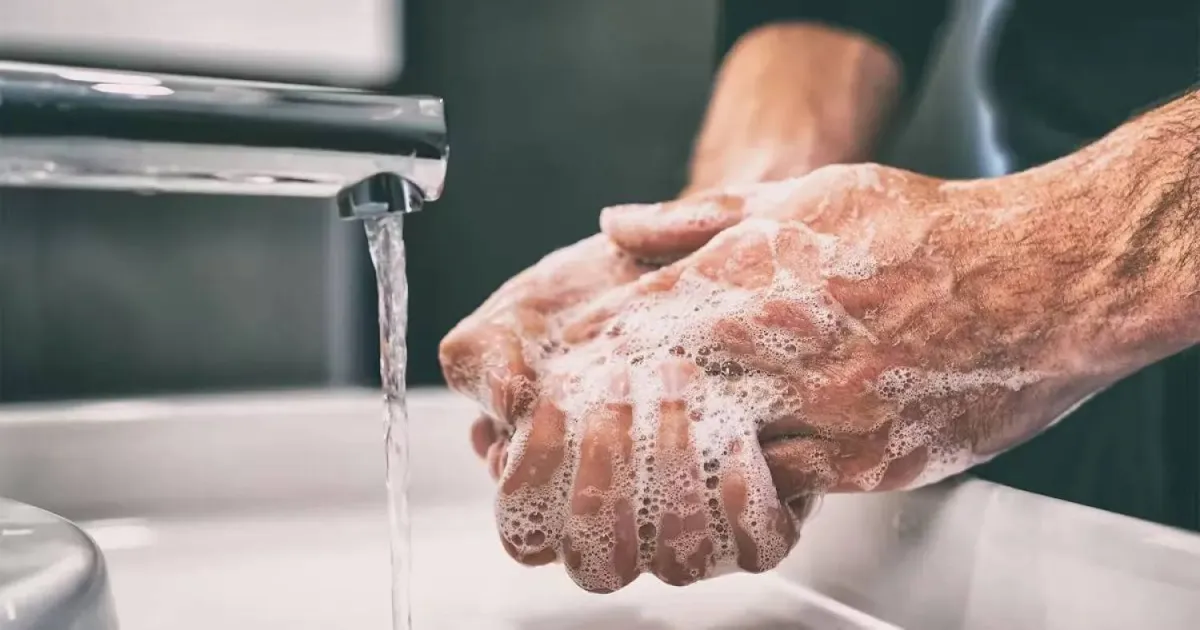
An international team of researchers has warned that the use of antibacterial soaps, wipes, sprays, and other "germ-killing" products indirectly contributes to the worsening problem of antimicrobial resistance worldwide, without offering any additional health benefits for most consumers.
This was stated in a new research review published by a group of researchers from universities and specialized institutes in the United States, Canada, Brazil, and Switzerland. The increasing evidence shows that commonly used antibacterial agents in household products, such as quaternary ammonium compounds and chloroxylenol, can enhance bacterial resistance not only to the chemicals themselves but also to essential antibiotics.
Event Details
Dr. Miriam Diamond, a professor at the University of Toronto and the lead author of the study, stated in a press release: "Global strategies to combat antimicrobial resistance have focused on hospitals and farms, neglecting everyday products used in homes that may contribute to this resistance."
Infections resistant to antibiotics already cause over one million deaths annually worldwide and may rival cancer as a leading cause of death by 2050, according to the United Nations Environment Programme. Most global efforts to prevent antimicrobial resistance have concentrated on the overuse of antibiotics in healthcare and agriculture.
Background & Context
Antibacterial agents in soaps and other sanitizing products are released daily through millions of household drains, entering sewage systems and the surrounding environment, creating ideal conditions for bacteria to acquire greater resistance. According to the researchers, due to the lack of evidence for their health benefits, these uses should be a primary target for preventing antimicrobial resistance.
Quaternary ammonium compounds and other biocides are added to antibacterial hand soaps, wipes, disinfectant sprays, laundry sanitizers, plastics, textiles, and personal care products, and their use has significantly increased during the COVID-19 pandemic, remaining high to this day.
Impact & Consequences
Laboratory and field studies have shown that environmental levels of these chemicals help resistant bacteria survive and spread, promote cross-resistance to important antibiotics, and cause permanent genetic changes in microbes, including the exchange of resistance genes. Over time, these transformations may allow resistant strains to dominate, indicating the spread of antibiotic resistance genes that threaten the effectiveness of antibiotics when urgently needed, potentially contributing to increased mortality rates.
Evidence suggests that biocides in many consumer products do not provide any additional health benefits but raise concerns about antimicrobial resistance and toxicity. Health authorities, including the U.S. Food and Drug Administration, the Centers for Disease Control and Prevention, and the World Health Organization, recommend washing hands with plain water and soap instead of antibacterial soap.
Regional Significance
The problem of antibiotic resistance is one of the major health challenges facing the world, including Arab countries. The excessive use of antibacterial products may exacerbate this issue, necessitating the need to raise public awareness about the safe use of these products. Arab governments should also take effective steps to regulate the use of these substances in household products and educate citizens on the importance of personal hygiene using natural means.
In conclusion, the researchers called on the World Health Organization and its partners to explicitly include biocides in consumer products in the upcoming global action plan on antimicrobial resistance, including setting clear targets for reducing their use supported by environmental monitoring.