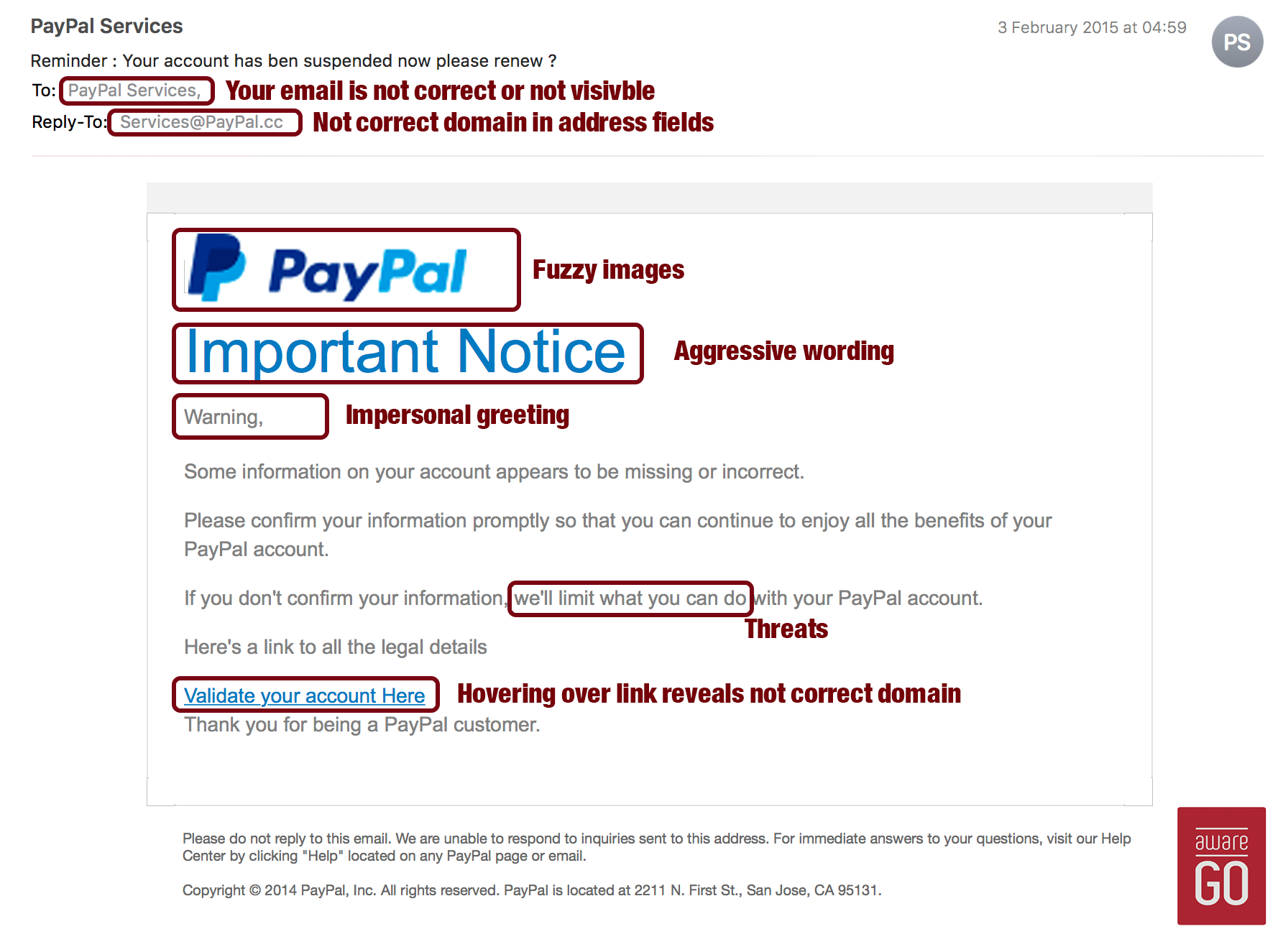
Bank Rakyat Indonesia (BRI) has warned citizens about the dangers of fake websites that claim to be affiliated with the bank, indicating that these sites use fraudulent methods to steal customers' personal data. This warning came in an official statement from the bank, emphasizing the importance of verifying links before accessing digital services.
In a statement, the bank's IT director, Saladin D. Ifendi, noted that there has been an increase in the use of online fraud methods, where scammers send fake links via text messages or emails, putting customers at risk of losing their sensitive data.
Details of the Warning
The bank explained that these fake websites often closely resemble the official sites, making it easy for customers to fall into the trap. Scammers target sensitive information such as user IDs, PIN numbers, passwords, and verification codes.
Therefore, Bank Rakyat Indonesia urges citizens to use only official channels to access services, such as the bank's official website at https://bri.co.id and the online banking service at https://ib.bri.co.id.
Background & Context
Incidents of online fraud have increased in recent years, as modern technology has become an easy means for scammers to target individuals. With the growing reliance on digital banking services, it is essential for customers to be aware of potential risks.
Historically, many countries have experienced similar cases where electronic fraud methods were used to steal individuals' financial data. This situation requires banks and financial institutions to take preventive measures and educate customers on how to protect themselves.
Impact & Consequences
These fraudulent activities can lead to a loss of trust in the banking system, negatively impacting the economy as a whole. If customers continue to be exposed to fraud, many may hesitate to use digital banking services, which could affect the growth of this sector.
Thus, ongoing awareness efforts by banks on how to identify suspicious links and the importance of not sharing sensitive information are necessary steps to protect customers.
Regional Significance
Cyber fraud issues pose a global threat, and the Arab region has also witnessed similar cases. With the increasing use of online banking services in Arab countries, it becomes crucial for banks to adopt effective strategies to combat fraud.
Enhancing awareness among customers about how to protect their personal data can help create a safer banking environment, thereby boosting trust in the financial system.