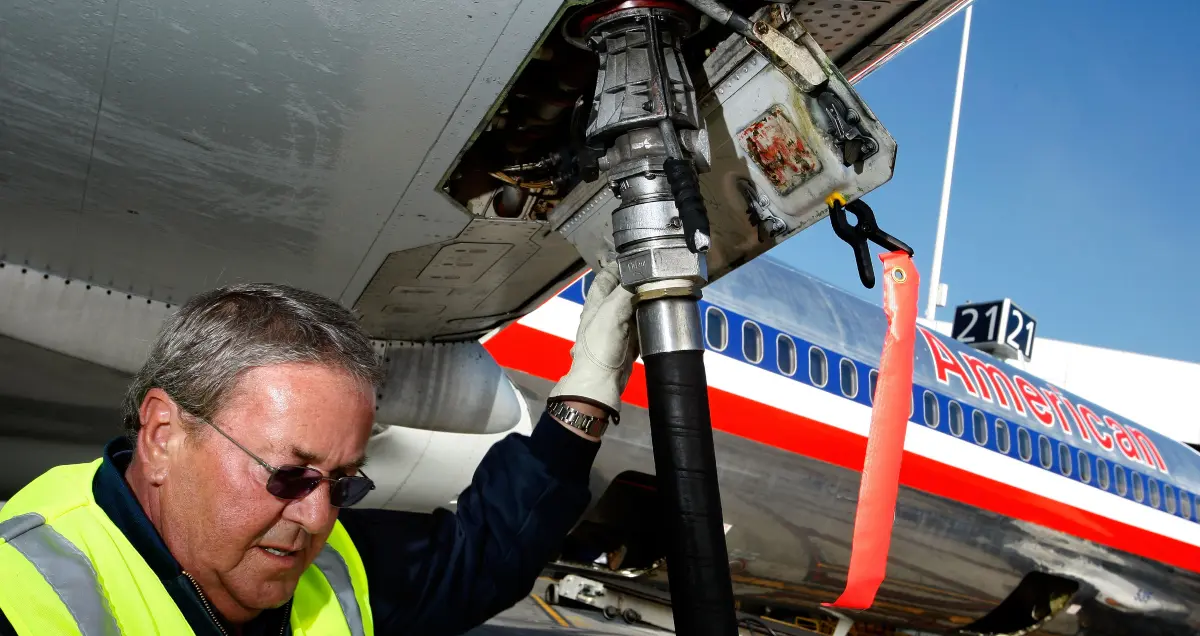
The President of the International Air Transport Association, Willie Walsh, reported that the aircraft fuel shortage linked to the conflict in Iran could negatively impact air travel in Asia during the summer peak. He confirmed that this shortage could lead to the cancellation of some flights if fuel distribution restrictions are imposed.
Walsh indicated that airlines might begin to reduce their flight schedules in the upcoming period in anticipation of the fuel shortage, which could affect travel plans for millions of passengers. Nevertheless, he expected that people would continue to travel during the summer, unlike the situation during the peak of the COVID-19 pandemic when air travel nearly came to a halt.
Details of the Situation
Concerns about the aircraft fuel shortage are rising as summer approaches, a peak season for air travel. Walsh noted that the shortage could begin in Asia before extending to Europe, raising worries about the potential for flight cancellations. He emphasized that demand for travel remains strong worldwide, indicating that people are eager to enjoy their summer vacations as they did in previous years.
Walsh also explained that using Jet A fuel, which has a higher freezing point, could help alleviate supply challenges in Europe, provided that regulatory bodies act swiftly and are satisfied with fuel specifications.
Background & Context
Historically, the aviation industry has faced numerous crises related to fuel shortages, often resulting from geopolitical conflicts or natural disasters. In recent years, conflicts in the Middle East have significantly impacted oil and fuel prices, which in turn affected airlines' operating costs. As tensions in the region escalate, it has become clear that these crises could influence global air travel.
These warnings come at a sensitive time as many people seek to resume travel after pandemic restrictions. Airlines have seen an increase in bookings, reflecting people's desire to return to normal life and travel.
Impact & Consequences
If the fuel shortage crisis persists, it could lead to increased air ticket prices, affecting many people's ability to travel. Additionally, flight cancellations may cause significant frustration for passengers who have planned their vacations. Airlines are likely to be severely impacted, facing challenges in managing their flight schedules and meeting passenger needs.
Moreover, a fuel shortage could have negative repercussions on the global economy, as many sectors rely on air travel, including tourism and trade. Consequently, any decline in air travel could affect economic growth in numerous countries.
Regional Significance
The Arab region is part of the global aviation network, hosting several major airlines. If the fuel shortage crisis worsens, it could affect flights between Arab countries and the rest of the world, potentially leading to reduced travel and trade. Many Arab nations rely on tourism as a primary source of revenue, making them more vulnerable to the consequences of fuel shortages.
Ultimately, there remains hope that the relevant authorities can address this crisis before it escalates, allowing people to enjoy their summer vacations without worry.