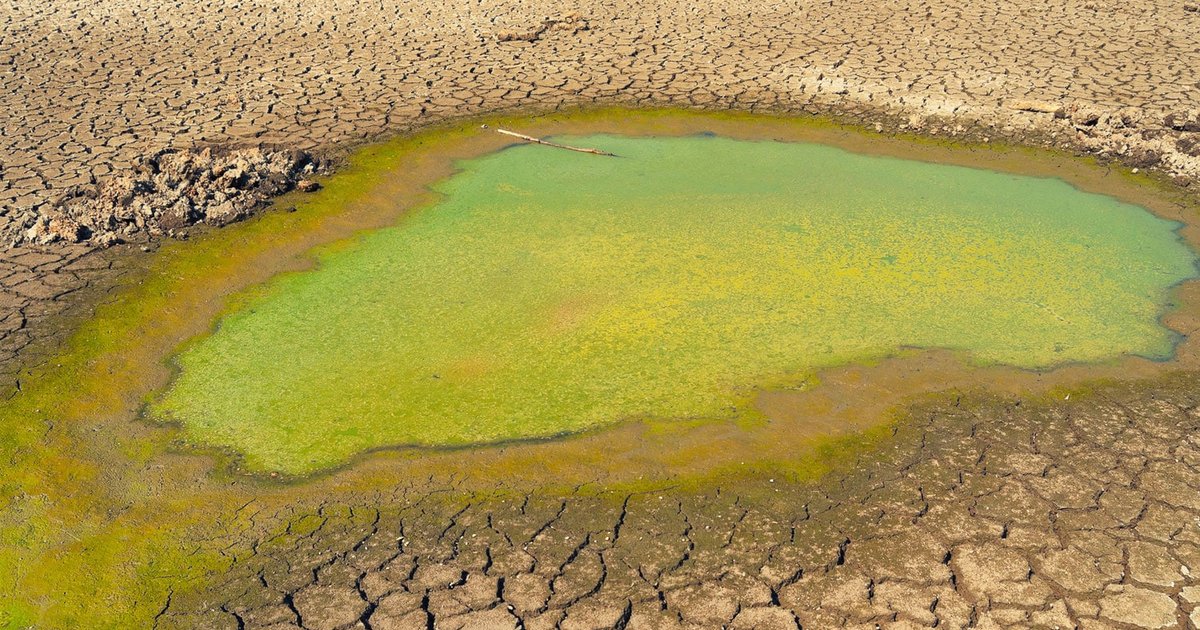
Indonesian parliamentary energy committee member Athari Gauti Ardi expressed his concerns regarding the escalating risks of groundwater pollution, stressing the necessity for the bottled water industry to guarantee the safety of its products from harmful contaminants. These statements were made during a parliamentary session in Jakarta, where he confirmed that groundwater is not entirely immune to pollution, necessitating strict preventive measures.
Ardi pointed out that the issue of groundwater pollution has become more apparent following reports of bromate presence in drinking water in the West Sumatra region, raising widespread concerns about the quality of bottled water. He affirmed that water quality is influenced not only by production and extraction processes but also by the chemical characteristics of the raw water.
Details on Groundwater Pollution
During his talk, Ardi clarified that numerous studies have shown that groundwater is not completely shielded from modern pollution, indicating an urgent need for water quality monitoring. People have traditionally viewed groundwater as a safe source due to its natural filtration process, but the emergence of new pollutants necessitates a reevaluation of this belief.
He also noted that the sustainability of groundwater sources relies on the balance between water extraction and recharge, a process that is occurring slowly due to geological factors and land cover. With the increasing demand for water from the bottled water industry, this balance may be disrupted, raising concerns about the future of water resources.
Background & Context
Historically, groundwater has been regarded as one of the safest water sources, but with rapid environmental changes and urban expansion, it has become essential to reassess this notion. Changes in land use, such as urbanization and reduced permeable areas, adversely affect the natural recharge system of groundwater.
Indonesia is one of the countries facing significant challenges in managing its water resources, with the demand for fresh water rising amid population and economic growth. These challenges require effective strategies to ensure the sustainability of groundwater and protect it from pollution.
Impact & Consequences
The repercussions of groundwater pollution extend beyond Indonesia, potentially affecting public health and quality of life. If the situation persists, future generations will face severe problems related to water sources. Ardi warned that while the situation may seem manageable in the short term, it could become extremely concerning in the long run.
The need for urgent action to protect groundwater has become increasingly pressing, as both the government and private companies must collaborate to ensure water safety. Additionally, civil society should be part of these efforts through awareness and education about the importance of preserving water sources.
Regional Significance
Groundwater pollution poses a threat not only to Indonesia but also to neighboring regions, as water resources are interconnected. The health of communities and ecosystems relies heavily on the quality of groundwater, making it a regional concern that requires cooperative management strategies.
In conclusion, addressing groundwater pollution is critical for safeguarding public health and ensuring the sustainability of water resources. Collaborative efforts among various stakeholders are essential to mitigate risks and promote responsible water management practices.