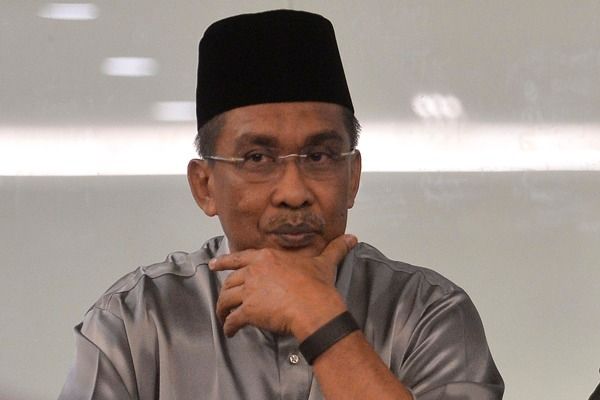
In a significant political development, the Secretary-General of the Perikatan coalition, Datuk Seri Takiyuddin Hassan, announced that the coalition will consider the silence of the Malaysian Indian Congress (MIC) as a rejection of its invitation to join the coalition, if no official response is received soon. This statement comes at a sensitive time as the coalition aims to enhance its political strength in the country.
Speaking at a press conference in Kota Bharu, Takiyuddin indicated that the coalition is awaiting a response from MIC, which is part of the current government coalition. He emphasized that a lack of response would lead the coalition to assume that the party has chosen not to join, which could affect the balance of political power in the country.
Details of the Event
This statement follows a period of negotiations between Perikatan and MIC, where the coalition hoped to expand its political base by attracting more parties. The coalition has expressed its willingness to provide political support and resources to the party should it decide to join. However, MIC's silence may raise questions about the party's intentions and its stance on current political alliances.
This move by Perikatan is part of its broader strategy to strengthen its presence in the Malaysian political arena, especially amidst the challenges faced by the current government. Any actions from MIC are expected to elicit varied reactions from other political parties.
Background & Context
The Perikatan coalition was established in 2020 in response to the political changes in Malaysia, aiming to provide a strong alternative to the current government. The country has witnessed significant political fluctuations in recent years, including changes in governing coalitions and challenges from the opposition. MIC is one of the main parties in the country, with a long history of participation in government.
Historically, political parties in Malaysia have played a crucial role in shaping national policies, with power distributed among various ethnic and religious groups. Therefore, any changes in political alliances could significantly impact the stability of the government.
Impact & Consequences
If Perikatan considers MIC's silence as a rejection, it could lead to a reassessment of political alliances in the country. This could open the door for other parties to join the coalition, potentially altering the dynamics of political power. Additionally, this situation may raise concerns among voters who are looking for political stability in the country.
Moreover, MIC's non-participation could affect Perikatan's ability to achieve its political goals, especially in the upcoming elections. This may reduce the coalition's chances of gaining widespread public support.
Regional Significance
Although this news pertains to Malaysia, political events in any country can indirectly affect the Arab region. Changes in political alliances may inspire parties and political movements in the Arab world to reassess their own strategies. Furthermore, political stability in Malaysia could serve as a model for Arab countries facing similar challenges.
In conclusion, it remains to be seen how matters will evolve for Perikatan and MIC. Reactions from other political parties and civil society will be crucial in determining the future of political alliances in Malaysia.