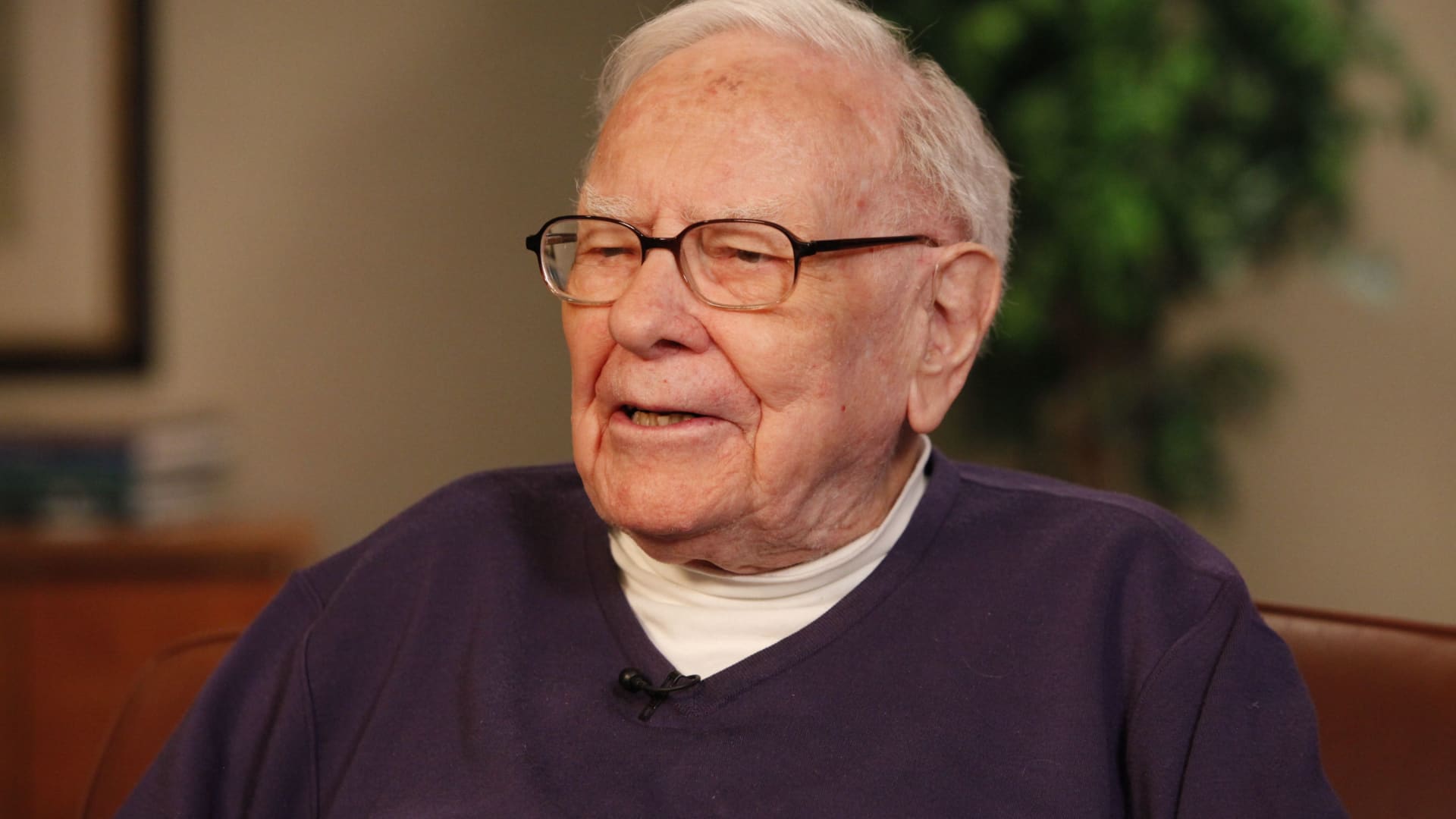
Warren Buffett, the CEO of Berkshire Hathaway, has warned that the spread of nuclear weapons worldwide, especially concerning Iran, increases the risk of catastrophic conflicts. This statement was made during his appearance on CNBC's "Squawk Box," where he noted that the number of countries possessing nuclear weapons has risen, fundamentally altering the global security landscape.
Buffett stated, "Now you have nine countries with nuclear weapons, and we were very concerned when there were only two. You weren't dealing with unstable people or anything like that. Things have completely changed now." He addressed the rising geopolitical tensions, particularly regarding Iran and North Korea, indicating that the presence of nuclear weapons in these regions significantly amplifies risks.
Details of the Warning
In his remarks, Buffett highlighted that the current situation demands special attention, saying, "Just think about how you would feel if North Korea has nuclear weapons and Iran is seeking to acquire them." He emphasized that the greatest danger lies with individuals who possess the capability to use these weapons, especially if they find themselves in difficult or highly embarrassing situations. He elaborated, "I don't know the answer to how to deal with this, but I know it would be very difficult if Iran were to obtain a nuclear bomb instead of not having one."
At 95 years old, Buffett is regarded as one of the world's foremost investors and has long warned that the spread of nuclear capabilities increases the likelihood of catastrophic scenarios. When asked about the advice he would give to a U.S. president facing an issue related to enriched uranium, Buffett adopted a grim tone regarding the long-term path ahead.
Background & Context
Historically, nuclear weapons have been a contentious topic, with major powers competing to develop their nuclear capabilities. Since the end of the Cold War, the world has witnessed an increase in the number of countries seeking to acquire these capabilities, raising fears of nuclear conflicts. Iran, in particular, has been at the center of international controversy due to its nuclear program, which some nations view as a threat to regional and international security.
In recent years, tensions between Iran and the United States have escalated, increasing concerns about the possibility of Iran obtaining nuclear weapons. Additionally, North Korea's nuclear tests have heightened these fears, making the discussion around nuclear arms more urgent.
Impact & Consequences
The implications of the spread of nuclear weapons extend beyond military risks; they also affect political and economic stability in the region. The presence of nuclear-armed states can lead to a new arms race, increasing tensions between countries and making it difficult to achieve peace and stability. These concerns also impact financial markets, as potential nuclear crises could lead to significant fluctuations in global markets.
Buffett believes that the current situation requires a coordinated international response, where major powers must work together to curb the spread of nuclear weapons and ensure they do not fall into the hands of unstable nations. However, the path to achieving this goal appears fraught with challenges.
Regional Significance
For Arab countries, the spread of nuclear weapons in Iran or any other nation represents a direct threat to regional security. The existence of a nuclear state in the neighborhood could destabilize the region, prompting Arab nations to enhance their security and defense cooperation. These concerns may also lead to increased military spending in the region, impacting economic and social development.
In conclusion, the future of nuclear security in the world remains a significant concern, requiring all nations to work together to avoid potential disasters. Buffett's warnings remind us that peace and stability are not guaranteed but require ongoing efforts and international cooperation.