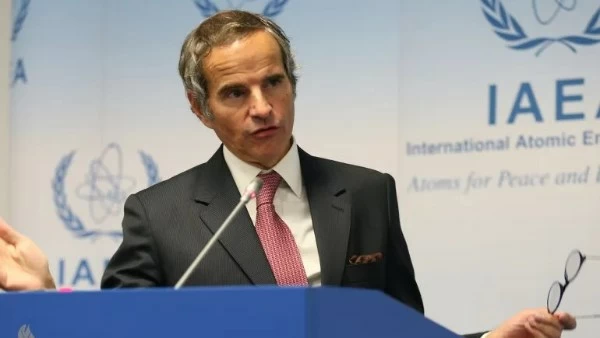
Rafael Grossi, the Director General of the International Atomic Energy Agency (IAEA), has warned of the risk of a nuclear accident if military escalation continues, following the fourth strike on Iran's Bushehr nuclear power plant. Grossi confirmed that the agency received official information from Iranian authorities indicating that the recent strike resulted in the death of a member of the site's physical protection crew due to shrapnel from a shell, in addition to damage to one of the buildings caused by shockwaves and debris.
Despite no recorded increase in radiation levels following the incident, Grossi emphasized the need to avoid the repetition of such attacks, calling for the utmost restraint in military actions. He underscored the importance of adhering to the agency's seven principles to ensure nuclear safety and security during armed conflicts.
Details of the Incident
The Bushehr nuclear power plant houses a Russian-made reactor with a capacity of 1000 megawatts, making it the only operational nuclear power plant in Iran. The plant began commercial operations in 2011 and is considered a significant symbol of Iran's civilian nuclear program. The facility has previously been struck three times, with the most recent attack occurring on March 18, when a shell hit a building approximately 350 meters from the main reactor, causing its destruction without directly damaging the reactor or causing a radiation leak.
Earlier, Grossi had warned during a speech to the agency's board in Vienna that several countries in the region, including Iran, possess operational nuclear power plants and research reactors. He noted that any military escalation could lead to a serious nuclear accident that transcends geographic borders.
Background & Context
This warning comes amid rising military tensions in the region, where nuclear facilities have become potential targets in any confrontation. This military escalation raises significant international concerns about catastrophic environmental and humanitarian consequences should any reactor sustain direct damage. The presence of nuclear power plants in conflict zones reflects the substantial challenges faced by the IAEA in ensuring nuclear safety and security.
Historically, the region has witnessed several crises related to Iran's nuclear program, leading to international sanctions and political tensions. This backdrop makes it essential to enhance dialogue and cooperation among the concerned countries to prevent any escalation that could lead to a nuclear disaster.
Impact & Consequences
If military escalation continues, the consequences could be dire. A nuclear accident at the Bushehr plant or any other nuclear facility could result in a radiation leak, threatening the lives of millions and significantly impacting the environment. This situation may require a swift international response to avert disaster.
Such incidents could also exacerbate humanitarian crises in the region, directly affecting local communities. The need to promote peace and security in the area has become more urgent than ever.
Regional Significance
The Arab region is part of this equation, as any nuclear incident in Iran could affect neighboring countries. Concerns about radiation leaks or environmental repercussions could lead to an influx of refugees and increased burdens on host countries. This situation may also reopen discussions about nuclear energy programs in Arab countries and raise questions about nuclear safety and security.
Ultimately, the current situation requires a concerted international effort to ensure that such incidents do not recur and to foster dialogue among nations to guarantee safety and security in the region.