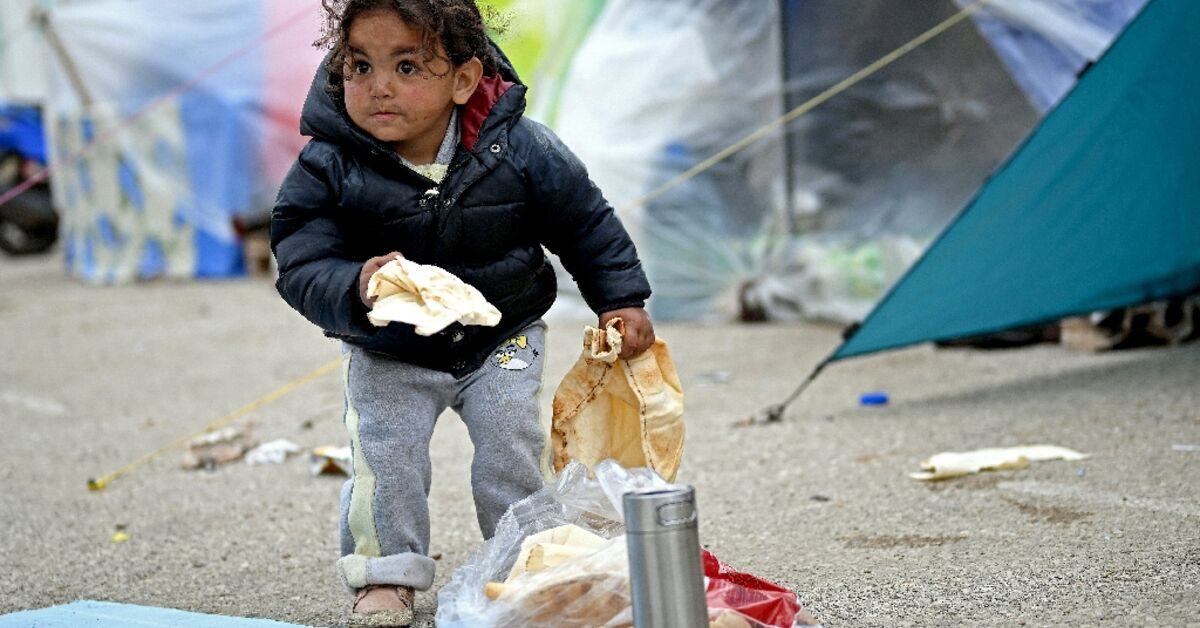
The head of the International Organization for Migration, Amy Pope, has warned of the ongoing mass displacement in Lebanon, where the intensity of the conflict between Israel and Hezbollah is escalating. In her statements to the French news agency in Beirut, Pope confirmed that the current situation indicates alarming levels of destruction, threatening the stability of the population. She noted that the ongoing threats of increased destruction make it difficult to envision a swift return for the displaced to their areas.
Pope stated, "I believe these forecasts are extremely concerning, as we are witnessing a level of destruction that cannot be ignored, in addition to the threats of further destruction." This warning comes at a time when Lebanon is suffering from a worsening humanitarian crisis, with many residents living in difficult conditions due to the ongoing conflict.
Details of the Event
The intensity of the conflict in Lebanon has been increasing since the outbreak of confrontations between Israel and Hezbollah, leading to the destruction of numerous homes and infrastructure. This conflict has resulted in the displacement of large numbers of people, who have found themselves forced to leave their homes in search of safety. This crisis is part of a series of humanitarian crises that Lebanon has faced in recent years, including economic and political crises.
Reports indicate that many displaced individuals are living in temporary camps or unsuitable conditions, exacerbating their suffering. Pope confirmed that the International Organization for Migration is working to provide assistance to the displaced, but challenges are significant given the current situation.
Background & Context
Lebanon has a long history of conflicts and struggles, starting from the civil war that lasted from 1975 to 1990, to the recurring conflicts with Israel. This historical background makes it difficult for Lebanon to achieve stability, as political and economic crises intertwine with humanitarian crises.
In recent years, conditions in Lebanon have deteriorated due to economic and political crises, leading to a decline in living standards and an increase in poverty rates. With the outbreak of the current conflict, the situation has become more complicated, as the displaced face additional challenges in accessing humanitarian aid.
Impact & Consequences
The humanitarian consequences of the ongoing conflict in Lebanon could be severe, as mass displacement may exacerbate social and economic crises. Furthermore, the continuation of the conflict could affect regional stability, as its impact may extend to neighboring countries.
Moreover, the psychological impact on the displaced could be profound, as many suffer from psychological trauma due to the loss of their homes and loved ones. Under these circumstances, it becomes essential to intensify international efforts to provide assistance to those affected.
Regional Significance
The situation in Lebanon is part of the larger picture of humanitarian crises in the Arab region. The ongoing conflicts in Lebanon, Syria, and Palestine reflect the challenges faced by Arab countries in achieving peace and stability. Additionally, the influx of refugees and displaced persons into neighboring countries may exacerbate humanitarian crises in those nations.
Ultimately, the situation in Lebanon requires an urgent response from the international community, with coordinated efforts needed to provide assistance to the displaced and achieve stability in the region. The hope for lasting peace requires international and regional cooperation, along with support for the affected local communities.