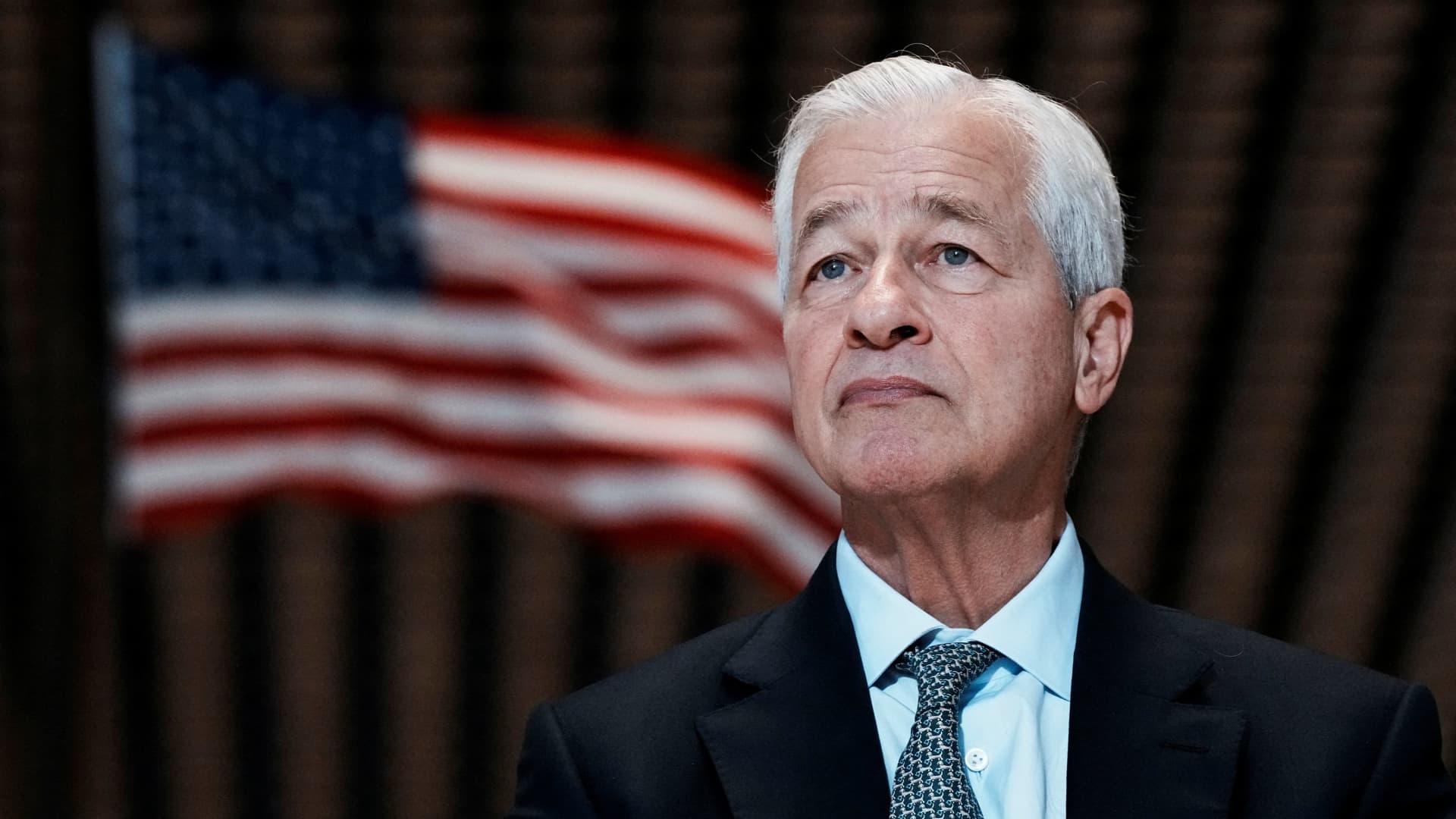
JPMorgan Chase CEO Jamie Dimon has warned that the ongoing rise in government debt levels around the world could lead to a crisis in the bond market. His warning came during an investment conference organized by the Norwegian Sovereign Wealth Fund, where he emphasized the need for immediate action from policymakers.
Dimon, regarded as one of the most prominent figures in finance, stated that history shows increasing risks can accumulate in unexpected ways. He explained that failing to address these pressures could heighten the likelihood of a crisis occurring after disruptions, rather than taking measured political steps.
Details of the Event
In his remarks, Dimon said, "The way things are going now, there is a kind of bond crisis coming, and we will have to deal with it." He added that he is not worried about the markets' ability to handle the crisis, but believes it is wise to address issues before they escalate.
He pointed out that factors contributing to the list of heightened risks include geopolitical tensions, oil prices, and government deficits. He affirmed that while these factors may dissipate, they could also persist, making it difficult to predict what might lead to a crisis.
Background & Context
Historically, financial markets have experienced several crises due to rising debt levels. For instance, the UK bond crisis in 2022 saw a sharp increase in bond yields, prompting the Bank of England to intervene to stabilize the market. These events illustrate how financial pressures can lead to sudden crises that require swift intervention from central banks.
In recent years, government debt has significantly increased in many countries, raising concerns that this debt could lead to financial crises in the future. These concerns are growing as geopolitical tensions continue and the impacts of the COVID-19 pandemic linger on the global economy.
Impact & Consequences
If a crisis occurs in the bond market, it could lead to a sudden spike in yields and a decrease in liquidity in the markets. Typically, investors tend to sell bonds, resulting in price declines, while buyers retreat, forcing central banks to step in as buyers in the end.
This scenario could have widespread effects on the global economy, as rising borrowing costs could slow economic growth and increase pressures on governments and businesses.
Regional Significance
For Arab countries, a global bond crisis could increase pressures on their economies, especially those heavily reliant on external financing. Oil prices could also be affected, further complicating the economic situation in the region.
Under these circumstances, Arab nations must be prepared to face potential challenges by strengthening their financial and economic strategies to ensure stability in the face of global crises.