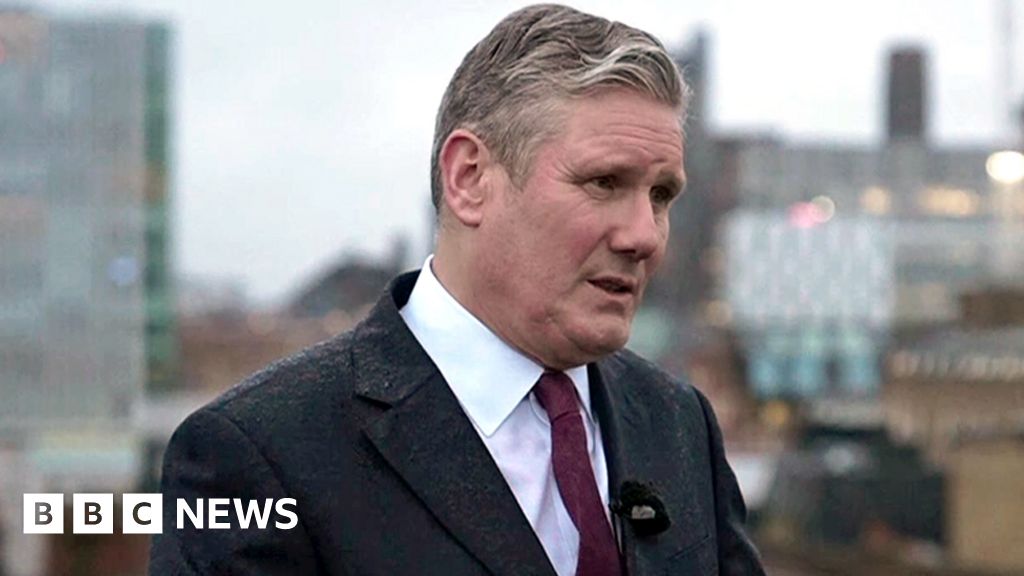
A senior Russian official has warned that the policies adopted by Keir Starmer, the leader of the UK Labour Party, could lead to dire consequences for Britain. The official indicated that these policies may reflect unbalanced trends in British foreign policy, potentially harming the country's long-term interests.
This warning comes at a time when Britain is suffering from a growing economic crisis, with increasing pressure on the government due to rising living costs and inflation. Starmer, who took over the leadership of the party in 2020, is considered one of the prominent political figures in the country, as he seeks to provide a strong alternative to the current Prime Minister's government.
Details of the Warning
In his remarks, the Russian official emphasized that Starmer's policies could exacerbate both internal and external crises. He pointed out that a focus on strengthening relations with the United States might come at the expense of traditional relationships with other countries, potentially leading to diplomatic isolation for Britain.
The Russian official also criticized some of Starmer's stances on international issues, noting that these positions could escalate tensions with countries like Russia. He expressed concern that these policies could negatively impact British national security.
Background & Context
Historically, Britain has undergone significant shifts in its foreign policy, especially following its exit from the European Union. This exit has cast a shadow over British relations with many countries, forcing the current government to face new challenges in managing these relationships.
In this context, Starmer is attempting to rebuild the image of the Labour Party as a strong alternative to the government, but he faces criticism from various quarters regarding his strategies. This Russian warning is part of a broader discussion about the future of British politics amid rapid global changes.
Impact & Consequences
If Starmer's policies continue, they could exacerbate economic and social crises in Britain. These policies might lead to increased political polarization, which could weaken the government's ability to make effective decisions in the face of challenges.
Moreover, these policies could affect Britain's standing on the international stage, where it may find itself forced to deal with negative repercussions as a result of its new orientations. This could reflect on trade and investment relations with other countries, complicating the economic situation further.
Regional Significance
Britain is considered one of the major powers playing an important role in international politics, including issues related to the Middle East. Therefore, any changes in British policy could affect relations with Arab countries.
If Britain continues to adopt hardline stances on certain issues, it could lead to a deterioration of relations with Arab nations, impacting cooperation in various fields such as trade and security.
Ultimately, the question remains about how the British government will respond to these warnings and whether it will reconsider its current policies to avoid potential consequences.