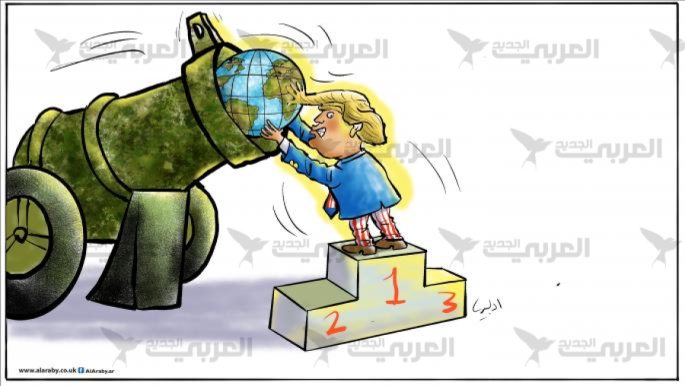
Concerns are mounting that the current crises in the region may be exploited by international powers seeking to advance their interests at the expense of the people. In this context, former U.S. President Donald Trump, with assistance from Zionist forces, is expected to implement policies akin to those followed by Israeli Prime Minister Benjamin Netanyahu in Gaza.
These moves are seen as part of a broader strategy aimed at undermining resistance efforts in the region, raising questions about how to confront these challenges. As tensions escalate in the Middle East, forces opposing Israeli aggression must reevaluate their strategies to address these threats.
Details of the Event
Attention is turning to the political maneuvers that Trump may undertake, especially given the support he receives from certain Zionist factions. It is believed that these actions could lead to an escalation in Iran, where similar tactics used in Gaza could be applied. This situation alarms many observers who fear that such policies could exacerbate humanitarian crises in the region.
Simultaneously, reports indicate attempts by some parties to promote alternative projects that bolster their position against these challenges. However, the question remains: will these projects succeed in achieving their goals, or will they face further complications?
Background & Context
Historically, the region has witnessed numerous attempts by major powers to intervene in the internal affairs of Arab states, resulting in exacerbated crises. The U.S. support for Israel, evident on many occasions, is considered one of the primary reasons for the tension in relations between Arab states and Israel.
These dynamics are reflected in recent events, with Gaza and Iran representing key flashpoints. Any new moves by Trump or Netanyahu could provoke strong reactions from Arab nations, complicating the political landscape in the region.
Impact & Consequences
The potential repercussions of these policies could be far-reaching. Increased tensions in Iran may lead to military escalation, adversely affecting regional security. Furthermore, any escalation in Gaza could revive old conflicts, enhancing instability in the area.
Moreover, these policies may impact relations between Arab nations and the United States, prompting these countries to reassess the viability of cooperation with Washington under these changing circumstances.
Regional Significance
Considering the potential impact on the Arab region, any moves by Trump or Netanyahu could trigger a strong response from Arab states. Such actions may foster a spirit of resistance, leading to the formation of new alliances to confront shared challenges.
Ultimately, Arab nations must be prepared to face these challenges by strengthening their defensive and political capabilities and working to develop effective strategies to counter Israeli aggression.