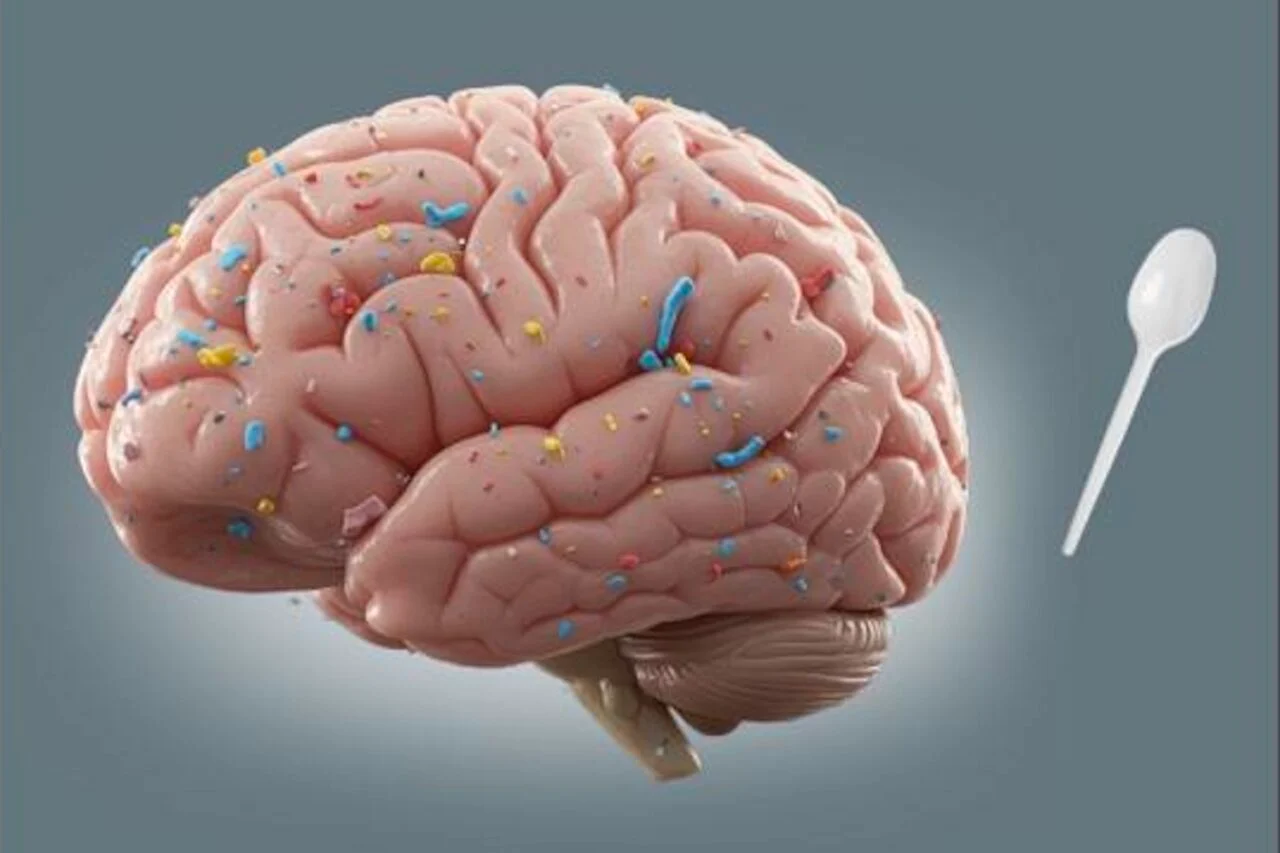
The Indonesian Pediatricians Association (IDAI) has called on parents to pay attention to the risks associated with children's exposure to plastic waste, noting that these materials can impact children's health from early stages, even before birth. This statement was made during a press conference held by the association's president, Dr. Bibrim Basarah Yanurasu, in Jakarta.
Dr. Yanurasu explained that recent studies have shown the presence of plastic waste in meconium, which is the first stool of infants, indicating that children may be exposed to these harmful substances while in the womb. He emphasized that this waste can transfer through the placenta to the fetus, increasing health risks.
Details of the Event
During the conference, Dr. Yanurasu pointed out that the presence of plastic waste in mothers' blood is a serious indicator, as it can lead to the transfer of these materials to the fetuses. He confirmed that plastic waste does not decompose easily, meaning it remains in the environment and in our bodies for extended periods.
He also urged parents to take steps to reduce their children's exposure to these materials, such as avoiding the use of plastic containers when heating food or drinks, as heat may increase the chances of plastic waste entering the body.
Background & Context
Plastic waste is considered one of the major environmental issues facing the world today, with estimates suggesting that around 300 million tons of plastic are produced annually, leading to environmental and water pollution. Studies have shown that children are more susceptible to the effects of these materials due to their smaller size and rapid growth.
In recent years, many countries have begun taking measures to reduce plastic usage, such as imposing bans on plastic bags or encouraging the use of biodegradable alternatives. However, much work remains to be done to protect future generations from the health risks associated with plastic.
Impact & Consequences
Research indicates that exposure to plastic waste can lead to a range of health problems, including endocrine disorders and negative effects on children's mental and physical development. Additionally, this waste may contain toxic chemicals that affect the immune system.
These warnings serve as a call to parents and society as a whole to increase awareness of the health risks associated with plastic and to work towards reducing its use in daily life. It is crucial for everyone, including governments and educational and health institutions, to collaborate to mitigate this issue.
Regional Significance
Arab countries also face similar challenges related to environmental pollution from plastic waste. With the increasing use of plastic in daily life, it has become essential for Arab nations to adopt effective strategies to minimize these risks. These warnings from Indonesia can serve as an important lesson for Arab countries to implement stricter environmental policies.
In conclusion, parents and society as a whole must be more aware of the dangers posed by plastic waste and take effective steps to protect the health of children and future generations.