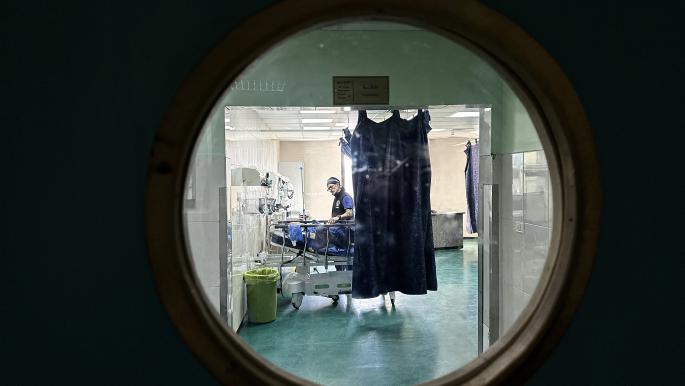
The Ministry of Health in Gaza has warned of an imminent threat to the continuity of hospital operations due to a worsening crisis of fuel and spare parts necessary for running electricity generators. This warning comes at a time when Gaza is suffering from escalating humanitarian and health crises, as the healthcare sector heavily relies on electricity generators to meet patient needs.
Hospitals in Gaza are facing significant challenges, with increasing pressures on the healthcare system due to a lack of essential resources. The ministry has confirmed that many hospitals may have to reduce their services or even close their doors if urgent support is not provided. This situation is exacerbated by the rising number of patients requiring specialized medical care, further increasing the strain on the remaining healthcare facilities.
Details of the Crisis
The electricity crisis in Gaza has been worsening for years, with electricity supplies limited to a few hours daily. As the demand for energy rises due to the growing population, electricity generators have become the only solution to provide the necessary power for hospitals. However, the shortage of fuel and spare parts required to operate these generators threatens to halt their operation, which would have dire consequences for the health of citizens.
Reports indicate that some hospitals have already begun to reduce their working hours, negatively impacting patients in need of urgent medical care. Officials have pointed out that the situation could deteriorate further if swift action is not taken to provide the necessary resources.
Background & Context
Historically, Gaza has suffered from humanitarian and health crises due to the ongoing blockade and conflicts. This situation has led to a deterioration of health infrastructure, with hospitals experiencing severe shortages of equipment and resources. Over the years, humanitarian organizations have attempted to provide support, but recurring crises make it difficult to achieve sustainability in health services.
In recent years, the severity of the crises has increased due to the outbreak of diseases and epidemics, putting additional pressure on the healthcare system. With the growing population, it has become essential to improve health services and provide the necessary resources to ensure the continuity of hospital operations.
Impact & Consequences
If the situation continues as it is, the consequences of the electricity shortage will significantly affect the health of citizens in Gaza. The shutdown of hospitals could lead to the death of many patients who require urgent care, increasing the suffering of the population. Additionally, this situation could lead to the spread of diseases, further straining an already struggling healthcare system.
The current crisis requires an urgent response from the international community to provide the necessary support to the healthcare sector in Gaza. Failure to intervene swiftly could exacerbate humanitarian conditions, necessitating immediate action from relevant parties.
Regional Significance
The Gaza crisis exemplifies the challenges faced by many Arab countries in the field of public health. This crisis reflects the urgent need to improve health infrastructure and provide the necessary resources to ensure the sustainability of services. Furthermore, the situation in Gaza could affect the stability of the entire region, as the outbreak of diseases may lead to an influx of refugees and increased pressure on neighboring countries.
In conclusion, the situation in Gaza requires urgent action from the international community to provide the necessary support to the healthcare sector, ensuring the continuity of health services and protecting the lives of citizens. Ignoring this crisis could lead to severe humanitarian and health consequences.