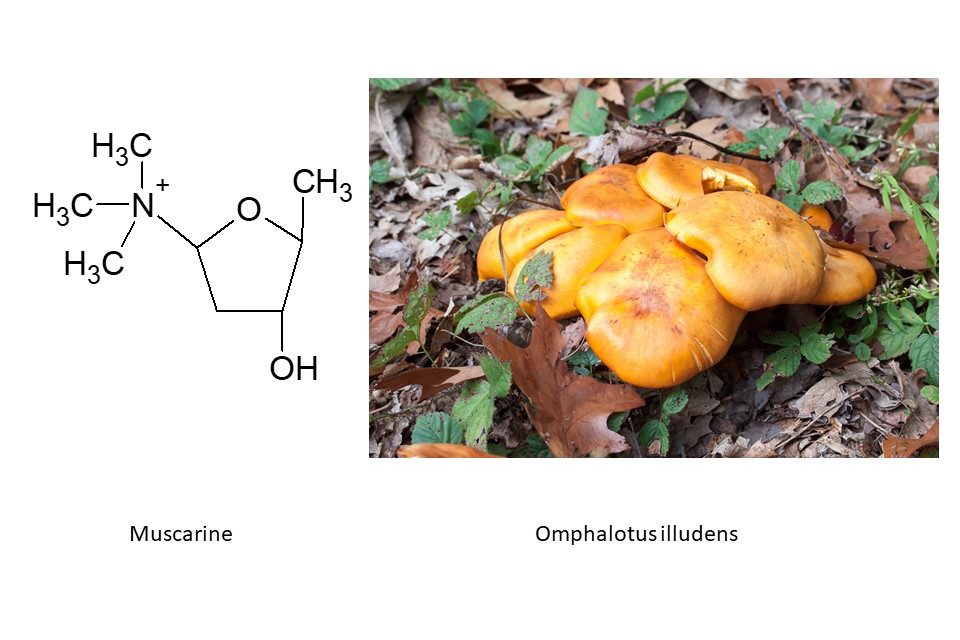
The National Center for Disease Prevention and Control has issued an important warning regarding the strange Al-Rass wild mushroom, confirming the possibility of its toxicity. This warning comes at a time when interest in various types of mushrooms, particularly those that grow in the wild, is increasing.
The mushroom observed in the Al-Rass area has sparked widespread debate among citizens, with many questioning its safety and suitability for human consumption. The center pointed out that some types of mushrooms can be toxic, necessitating caution and vigilance.
Details of the Warning
In an official statement, the National Center clarified that the mentioned mushroom may possess toxic properties that negatively affect human health. It noted that symptoms resulting from consuming toxic mushrooms may include nausea, vomiting, and abdominal pain, potentially leading to more severe cases.
The center also emphasized the necessity of not consuming any type of mushroom that is unknown or has not been verified for safety by the relevant authorities. It highlighted the importance of raising awareness about toxic mushrooms and how to identify them.
Background & Context
Mushrooms are an important part of the ecosystem, but some species can be harmful. In recent years, many countries have witnessed cases of poisoning due to the consumption of toxic mushrooms, highlighting the need for increased awareness on this issue.
In Saudi Arabia, mushrooms are part of the culinary heritage, used in many traditional dishes. However, the inability to distinguish between toxic and non-toxic species can lead to significant health risks.
Impact & Consequences
Consuming toxic mushrooms can lead to severe consequences, including acute poisoning that may require immediate medical treatment. Therefore, the warnings issued by the National Center are part of efforts to protect citizens' health.
This situation also requires cooperation between health authorities and the local community to enhance awareness of the potential risks associated with mushroom consumption. Relevant authorities should intensify awareness campaigns and guidance on how to identify toxic species.
Regional Significance
This issue is particularly significant in the Arab region, where various types of mushrooms abound in natural environments. Therefore, awareness of the dangers of toxic mushrooms should be part of public health strategies.
Furthermore, enhancing knowledge about toxic mushrooms can contribute to reducing poisoning cases, reflecting the importance of collaboration between health institutions and the community.
In conclusion, everyone should exercise caution when dealing with mushrooms in the wild and follow health guidelines to avoid potential risks.