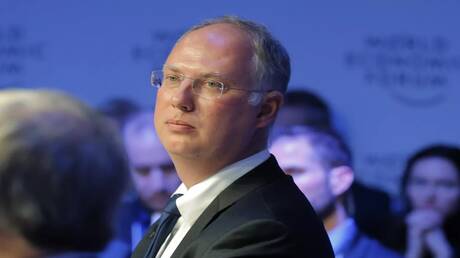
Kirill Dmitriev, the head of the Russian Direct Investment Fund, has warned that the energy sector in several European countries could experience a severe shock due to increasing supply disruptions from Gulf nations, amid the ongoing war against Iran. Dmitriev emphasized that these disruptions could have negative impacts on economic stability in Europe.
These warnings come at a time when global markets are experiencing significant volatility, with rising concerns over supply shortages amid escalating geopolitical tensions. Dmitriev pointed out that European countries heavily rely on oil and gas supplies from the Gulf, making them vulnerable to any disruptions in these supplies.
Details of the Event
Concerns are growing in Europe that political and military crises in the Middle East could exacerbate the energy crisis. Recently, oil and gas prices have seen notable increases, putting additional pressure on European governments that are striving to maintain stability in their energy markets.
At the same time, energy demand in Europe is rising, especially with winter approaching, making any supply shortages more impactful. Dmitriev noted that these conditions could lead to economic shocks that may have far-reaching consequences for European economies.
Background & Context
Historically, Gulf nations have played a pivotal role in securing energy supplies for Europe, being among the largest exporters of oil and gas. However, political tensions, particularly those related to Iran, could lead to significant changes in these dynamics.
These warnings coincide with rising tensions between Iran and the West, with growing fears that any military escalation could disrupt oil supplies from the region. Recent years have seen numerous events that have led to fluctuations in energy prices, raising concerns about the stability of global markets.
Impact & Consequences
If Dmitriev's warning materializes, it could lead to negative impacts on the European economy, as an energy shock could result in increased inflation and a decline in economic growth. European governments may be forced to take swift actions to address this potential crisis, which could include increasing reserves or seeking alternative energy sources.
The effects could also extend to global markets, as any increase in energy prices could lead to volatility in financial markets. Consequently, countries that heavily depend on energy from the Gulf may face significant challenges in the near future.
Regional Significance
For the Arab region, these developments may present both opportunities and challenges. On one hand, Gulf countries could benefit from rising energy prices, bolstering their economies. On the other hand, any escalation in tensions could negatively impact stability in the region, potentially leading to unforeseen repercussions.
Under these circumstances, Arab nations must be prepared to deal with any changes in global energy dynamics and seek strategies to enhance their economic stability in the face of potential challenges.
In conclusion, the situation in the European energy sector remains watchful, with increasing concern that geopolitical crises could lead to shocks that affect economic stability in the region.