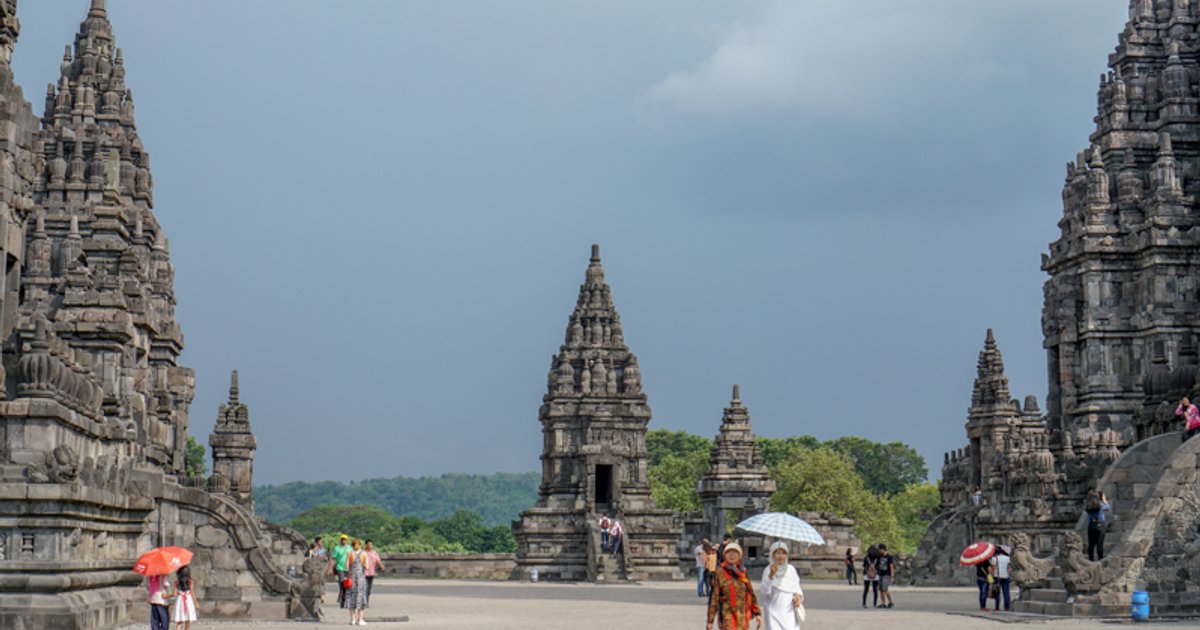
The Indonesian Meteorology Agency, represented by the Yogyakarta station, has warned of sudden climate changes that may occur in the Yogyakarta region (DIY) in the coming days. The head of the station emphasized the need for residents to remain vigilant during this transitional period.
Residents are also urged to take necessary precautions to maintain their health, especially during hot weather, by drinking sufficient amounts of water, avoiding strenuous activities during midday, and minimizing fire risks.
Details of the Event
The head of the meteorological station, Fryomex Hutagalung, reported that the expected climate changes are part of the transition from the rainy season to the dry season, with light to moderate rainfall anticipated from April 9 to 11. He noted that sea surface temperatures in the Java Sea and the Indian Ocean south of Java range between 29 to 30 degrees Celsius, which supports the availability of water vapor in the atmosphere.
He added that there is a pattern of wind convergence in the Java region, along with active Rossby wave activity, which increases the likelihood of rain cloud formation in the area. He stressed the importance of monitoring weather information through the agency's official website and coordinating with relevant disaster management authorities.
Background & Context
Yogyakarta is one of the Indonesian regions significantly affected by climate changes, experiencing notable weather fluctuations throughout the seasons. Historically, the area has relied on agriculture, making it sensitive to climate changes that impact crop yields. In recent years, the severity of climate changes has increased, raising concerns about their negative effects on the local community.
It is worth noting that Indonesia, in general, faces multiple environmental issues, including climate change, necessitating an effective response from both the government and society. Studies have shown that climate changes may lead to increased flooding and drought, affecting the lives of millions of residents.
Impact & Consequences
The expected climate changes in Yogyakarta require a swift response from local authorities and civil society. Intermittent rains are expected to impact agriculture, potentially leading to crop shortages and rising food prices. Additionally, higher temperatures may increase the risk of fires, necessitating effective preventive measures.
Furthermore, climate changes may affect public health, as elevated temperatures can lead to an increase in heat-related illnesses. Therefore, it is crucial to raise community awareness about how to cope with these changes.
Regional Significance
Climate changes are a global issue affecting all countries, including Arab nations. Many Arab countries face similar problems, such as rising temperatures and drought, requiring international cooperation to address these challenges. Sharing experiences among countries can help develop effective strategies for adapting to climate changes.
In conclusion, communities worldwide, including those in Arab countries, must be prepared to face increasing climate challenges. Understanding climate changes and being prepared for them is vital to ensuring the safety and sustainability of communities.