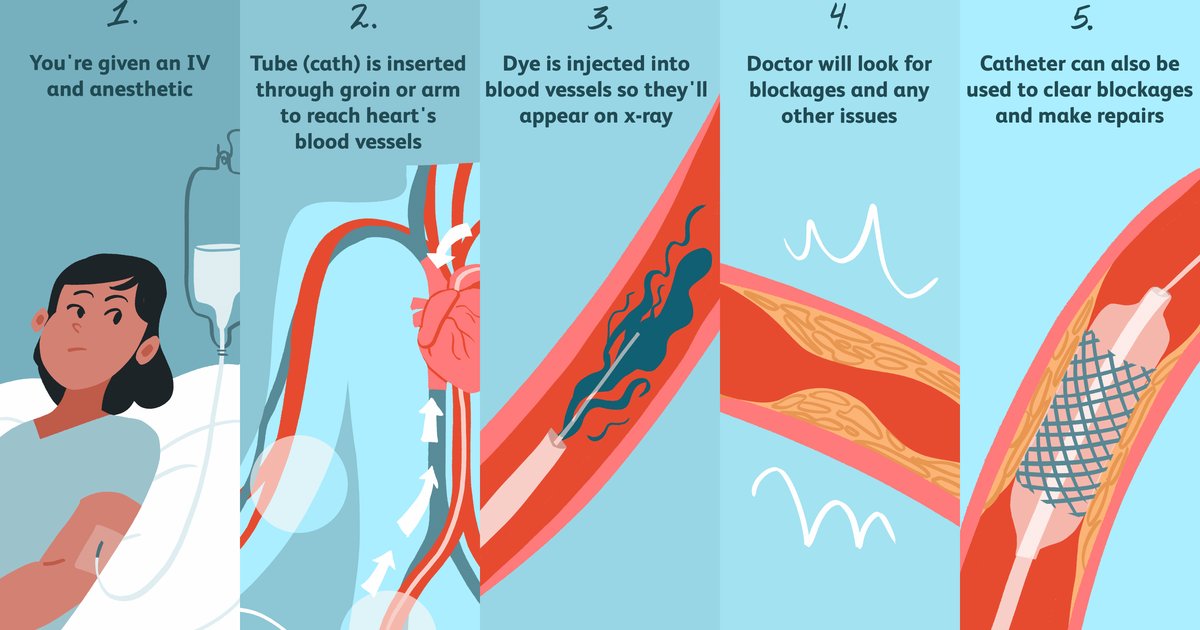
Dr. Khalid Al-Nimr, a cardiology consultant, warns that a single air bubble in the coronary artery can lead to cardiac arrest during catheterization. This warning comes at a time when reliance on catheterization techniques for treating heart diseases is increasing, necessitating attention to potential risks.
Coronary catheterization is a common medical procedure used to diagnose and treat various heart problems. However, any minor error, such as air entering the coronary artery, can have severe consequences. Al-Nimr pointed out that this situation may occur due to inattention or negligence during the procedure, emphasizing the need for training doctors and healthcare practitioners on how to avoid such mistakes.
Details of the Warning
In statements made via social media, Dr. Al-Nimr clarified that the coronary artery is responsible for supplying the heart muscle with oxygen-rich blood. Therefore, any inaccurate intervention could endanger the heart. He stressed the importance of using modern and effective techniques to minimize the risks associated with catheterization, such as employing specialized devices to prevent air entry.
He also noted that some patients may be more susceptible to such risks, especially those with complex health conditions. Consequently, doctors should accurately assess patients' health status before performing any catheterization procedures.
Background & Context
Historically, catheterization techniques have seen significant advancements over the past decades, becoming an essential part of treating heart diseases. However, the risks associated with these procedures remain. In recent years, rare but serious cases related to air entering the arteries have been recorded, prompting warnings from many doctors.
These risks require special attention from healthcare institutions, as doctors and practitioners must be trained on how to handle such cases. Medical protocols should also include strict procedures to ensure patient safety during operations.
Impact & Consequences
Incidents resulting from air entering the coronary artery can lead to severe complications, such as cardiac arrest or even death. Therefore, awareness of these risks can contribute to improving patient outcomes and reducing adverse incidents. It is crucial for doctors and healthcare practitioners to collaborate in developing effective strategies to mitigate these risks.
Moreover, enhancing catheterization techniques can increase patient confidence in these procedures, encouraging more patients to undergo necessary treatments. This, in turn, may contribute to improving public health and reducing mortality rates from heart diseases.
Regional Significance
In the Arab region, where rates of heart disease are rising, these warnings gain particular importance. Many countries suffer from a lack of awareness regarding the risks associated with catheterization, necessitating the dissemination of information and health education among the public.
Improving healthcare standards in Arab countries requires investment in medical education and training to ensure that doctors and practitioners are familiar with the latest techniques and medical practices. This can help reduce risks and improve the quality of healthcare provided to patients.
In conclusion, there should be greater focus on the importance of precision in medical procedures, especially those related to the heart. Awareness of potential risks can save lives and enhance the quality of healthcare in the region.