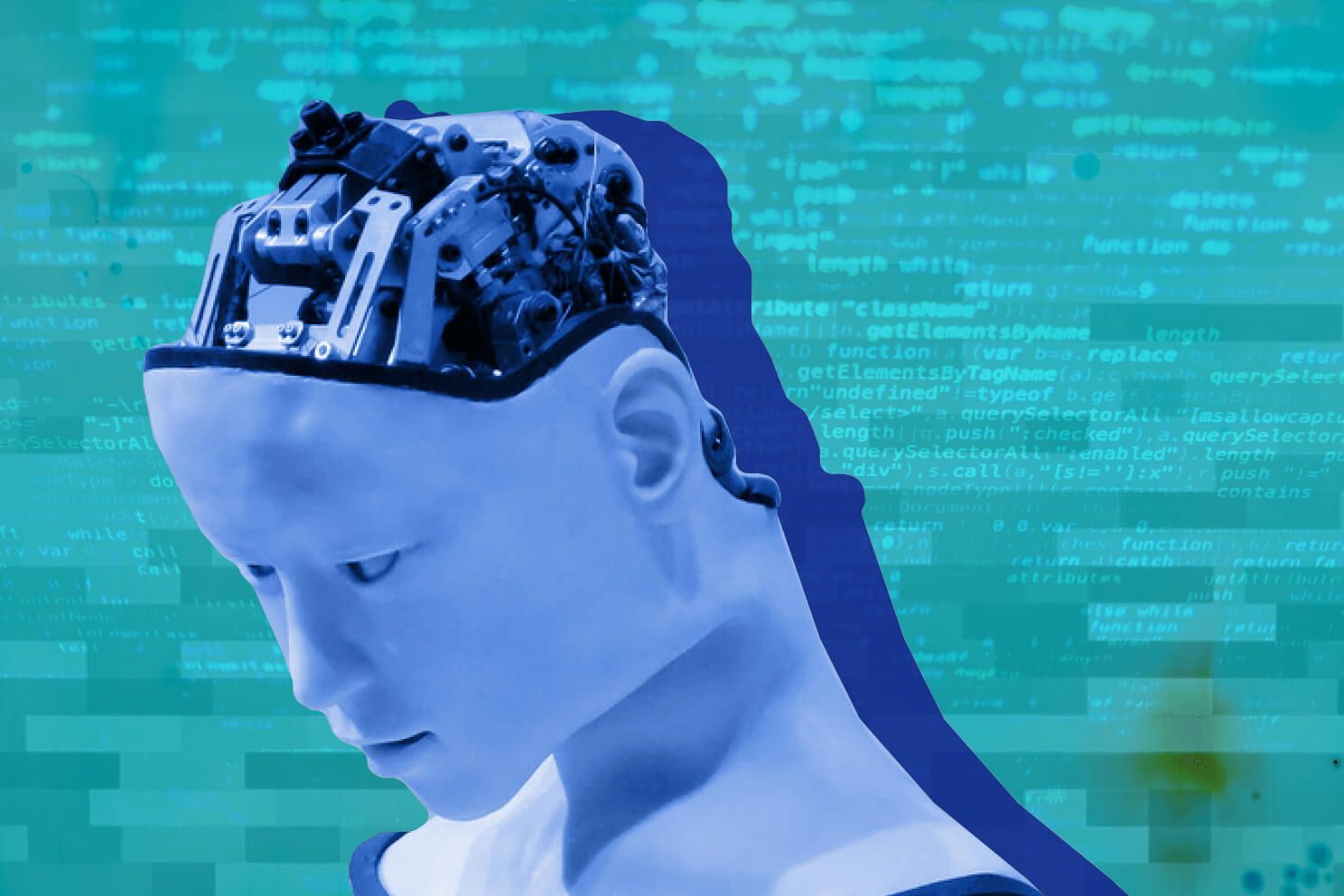
A leading scientist warns that artificial intelligence represents an increasing threat to all jobs, including skilled trades, raising serious concerns about the future of the labor market. He emphasized that rapid developments in this field could lead to the loss of millions of jobs worldwide, necessitating immediate action to adapt to these changes.
With the rapid technological advancement, artificial intelligence has become an integral part of many industries, where it is used to improve efficiency and reduce costs. However, these benefits come with significant challenges, as the increasing reliance on this technology could lead to the replacement of human labor.
Event Details
The scientist pointed out that artificial intelligence is not limited to traditional jobs but also extends to crafts and professions that were previously considered safe. For example, robots can now perform tasks such as carpentry and blacksmithing, threatening the existence of artisans. Studies have shown that over 60% of jobs requiring manual skills may be at risk in the coming years.
He also added that this rapid shift requires governments and companies to work together to develop effective strategies to address these challenges. These strategies should include training workers in the new skills required by the market, as well as providing support for those who may lose their jobs due to these changes.
Background & Context
Historically, the world has witnessed many technological transformations that led to radical changes in the labor market. From the Industrial Revolution to the emergence of computers, each phase required the workforce to adapt to new conditions. However, artificial intelligence presents a unique challenge due to its speed and self-learning capability, allowing it to surpass many traditional human tasks.
Concerns are growing that artificial intelligence could exacerbate the economic gap between individuals. While large companies may benefit from this technology, ordinary workers may find themselves in an unfavorable position, increasing unemployment rates and leading to widespread poverty in some communities.
Impact & Consequences
If this trend continues, we may witness a radical shift in the structure of the global labor market. Unemployment rates are likely to rise, leading to increased social and economic pressures. The loss of traditional jobs could erode the middle class, threatening social stability in many countries.
Moreover, it may require a reevaluation of the education and vocational training system to ensure that the workforce is equipped with the necessary skills to face future challenges. There should be a greater focus on technological education, programming, and digital skills, enabling individuals to adapt to the changing work environment.
Regional Significance
In the Arab region, where many countries suffer from high unemployment rates, the impact of artificial intelligence may be more pronounced. Arab governments must take these warnings seriously and begin to develop effective strategies to adapt to these changes. Such strategies could include enhancing technical education and vocational training, as well as supporting innovation and entrepreneurship.
In conclusion, artificial intelligence represents both an opportunity and a challenge at the same time. While it can contribute to improving efficiency and productivity, we must be aware of the potential risks that may arise from over-reliance on it. A delicate balance is required between leveraging this technology and ensuring the protection of workers' rights.