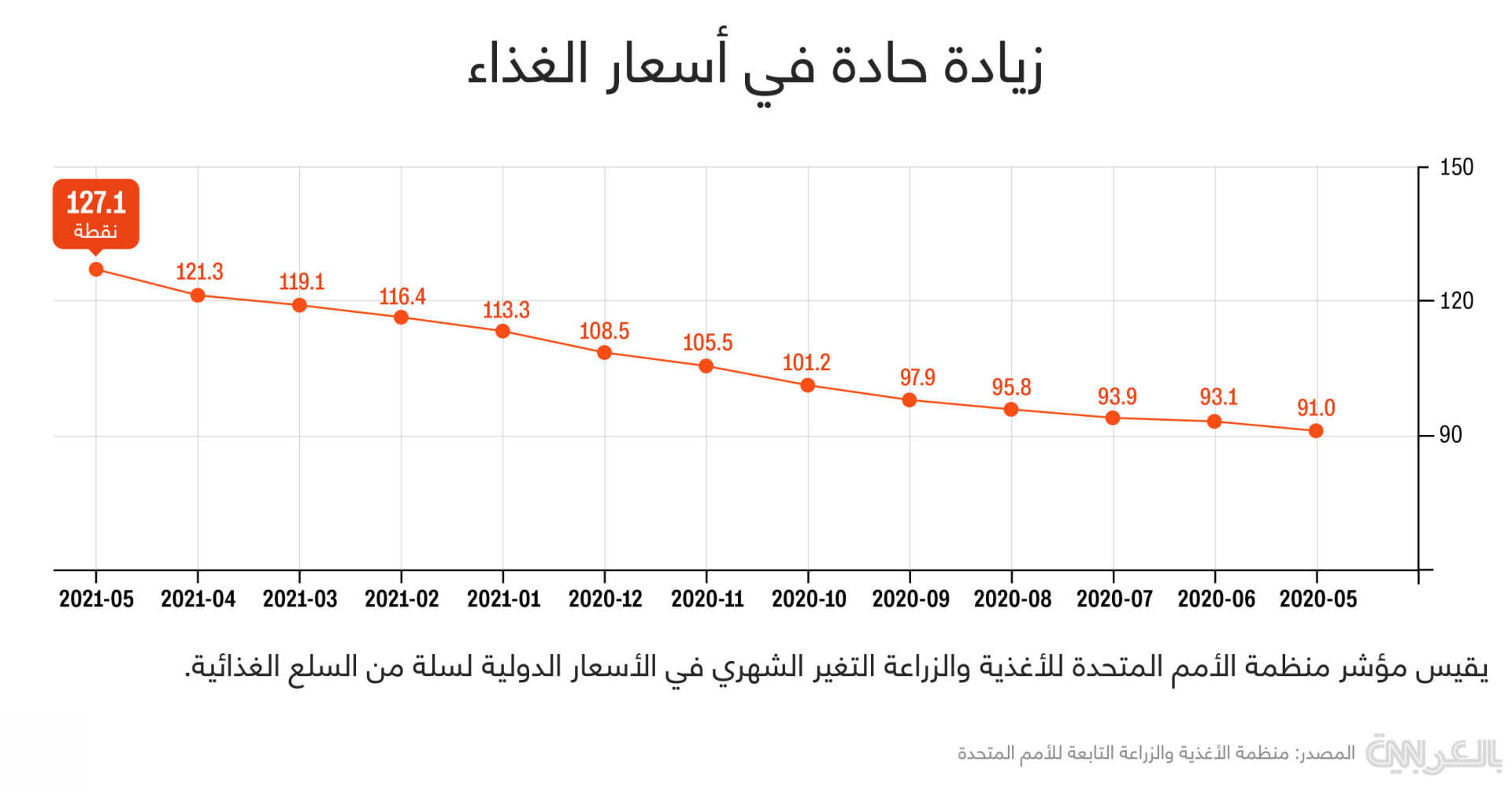
The National Farmers' Union in the UK has issued a warning about an expected increase in food prices, indicating that prices for cucumbers and tomatoes may rise within the next six weeks. Tom Bradshaw, the union's president, confirmed in an interview with the BBC that the costs of other agricultural products and milk will also see an increase over the next three to six months.
The direct impact of events in the Middle East, particularly from the Iranian blockade of the Strait of Hormuz, has led to higher costs for fuel and fertilizers, both essential components in agricultural production. As the effects of this conflict begin to manifest, it is likely this issue will be on the agenda of senior government ministers during an upcoming emergency meeting to discuss the conflict's implications on living costs.
Forecasts indicate that price pressures will not be limited to food prices alone but will affect all aspects of the food supply chain. Bradshaw urged the government to take this matter seriously, noting that ongoing tensions in the region ‘will turn the global food supply upside down and have dramatic effects’.
It is currently unclear how much of an increase consumers may face, as producers sell their crops to retailers, who in turn set prices for the public. Although the National Farmers' Union indicated that some additional costs may be absorbed by farmers and companies in the supply chain, certainly some will be passed on to consumers.
Moreover, the closure of the Strait of Hormuz for over three weeks is exacerbating the global supply situation, as this route is a key passage for large quantities of natural gas, crude oil, and fertilizers used in farming.
Farmers in the UK, especially those growing crops in greenhouses, such as tomatoes, cucumbers, and peppers, will see their energy needs rise quickly due to increasing energy prices. Livestock farms and dairy production facilities are also expected to be affected soon, as they typically purchase fertilizers as needed. Meanwhile, field crop farmers like wheat and barley are in a better position to protect themselves from the initial rise in fertilizer prices, as these farmers usually buy their fertilizer needs in advance.
On another note, the general manager of the British Retail Consortium added that shipping disruptions may affect the availability and prices of certain goods, but retailers and suppliers are managing such types of disruptions well. In this context, Andrew Opie, the director responsible for food and sustainability at the consortium, confirmed that persistent increases in energy costs could directly affect prices of goods.
There are also concerns about rising red diesel prices, the fuel used in machines and vehicles associated with agriculture. In response to these challenges, Agriculture Minister Angela Eagle stated that she is monitoring developments in the Middle East and their impact on food and agricultural markets, expressing concerns about the ‘transparency of prices’ related to red diesel.
Ministers in the government are expected to convene an emergency government committee known as ‘Cobra’ to discuss the increasing impacts of the war in the Middle East on living costs, specifically concerns regarding rising food prices, as well as gasoline prices and energy bills.
This is not the first time geopolitical events in the Middle East have affected prices in Europe. The post-Arab Spring period and previous economic crises have seen similar challenges, demonstrating that the global economy is often impacted by such conflicts.