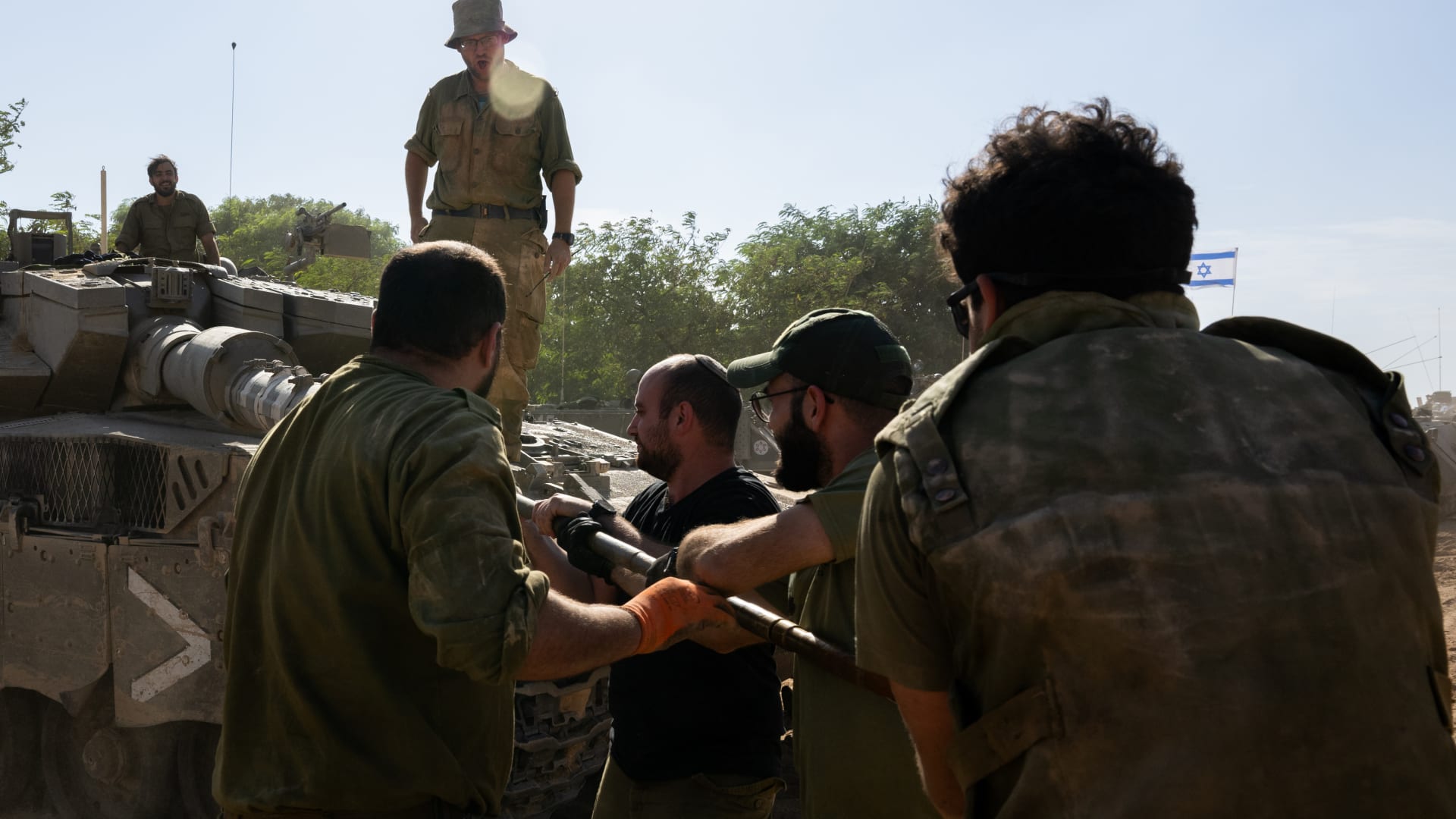
Israeli opposition leader Yair Lapid has warned that Israel is heading towards a 'security disaster' due to a significant shortage in the number of army personnel, accusing the government of pushing the military towards what he described as 'collapse'. This statement was made during a televised address, where he emphasized that the Israeli army has reached its maximum capacity and beyond, and that the government is allowing the army to bleed on the battlefield.
Lapid was not alone in issuing warnings; Chief of Staff Eyal Zamir of the Israeli army pointed to the difficult situation facing the military, with Israeli media reporting that Zamir told the security cabinet that 'the Israeli army is on the verge of collapse'. These statements reflect the growing concern about the army's ability to confront the increasing security challenges in the region.
Details of the Situation
In the context of these warnings, Lapid accused the government of involving the army in a 'multi-front war without strategy, without the necessary means, and with very few soldiers'. He noted that there are reserve soldiers serving for the sixth or seventh time, which leaves them exhausted and drained, unable to face the current security challenges.
Lapid also called for the recruitment of members from the ultra-Orthodox community, who have been exempt from military service since the establishment of the State of Israel in 1948. It is worth mentioning that military service is mandatory in Israel, but there are exceptions granted to men who dedicate themselves to studying Jewish texts, leading to an increase in the number of ultra-Orthodox who do not participate in military service.
Background & Context
Historically, Israel has faced numerous security challenges, especially amid ongoing conflicts with Palestinians and neighboring countries. With rising tensions in the region, it has become clear that the Israeli army is under increasing pressure, raising concerns about its ability to respond to crises.
In recent years, criticism directed at the Israeli government for its management of security crises has intensified, with many observers believing that the current government lacks a clear strategic vision to deal with the growing challenges.
Impact & Consequences
The recent warnings indicate that the Israeli army may struggle to carry out its core missions, which could exacerbate security conditions in the region. If these trends continue, we may witness an increase in military tensions, potentially affecting regional stability.
Moreover, the shortage of soldiers could lead to the depletion of military resources, increasing pressure on the government to provide urgent solutions. This situation may open the door to further internal criticism and could impact the government's position in upcoming elections.
Regional Significance
These warnings are of significant importance to the Arab region, as they reflect the deteriorating security situation in Israel, which may affect relations with neighboring Arab countries. Amid rising tensions, some Palestinian factions may seek to exploit the situation for political gains.
Additionally, any deterioration in the Israeli security situation could impact the stability of neighboring countries, increasing the likelihood of new military escalations. Therefore, Arab nations are closely monitoring the situation, as any changes in the Israeli arena could directly affect their security and political interests.
In conclusion, the warnings issued by Lapid and Zamir reflect a genuine concern about the future of the Israeli army, raising questions about the government's ability to manage the increasing security crises.