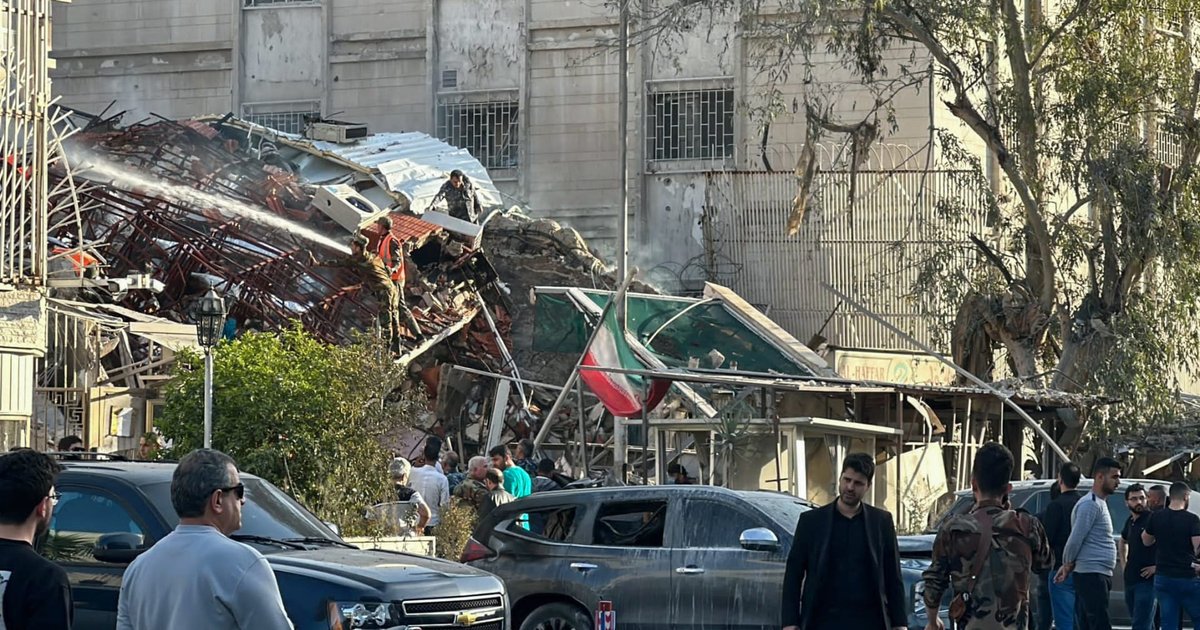
The U.S. State Department firmly denied any allegations suggesting that Washington targeted Iraqi security forces, following an airstrike that hit a military clinic in western Iraq, resulting in the deaths of seven individuals. The department's spokesperson stated that these claims are 'categorically false,' stressing that such statements contradict the strategic partnership between the United States and Iraq.
These statements came just one day after the airstrike, which sparked mixed reactions in Iraqi political and public circles. Some viewed it as a violation of Iraqi sovereignty, while others considered it part of the ongoing war against terrorism.
Details of the Incident
On Wednesday, warplanes conducted an airstrike on a military clinic in a remote area of western Iraq, leading to the deaths of seven people, including members of the Iraqi security forces. According to local sources, the airstrike targeted a group of fighters linked to armed organizations; however, the outcome was catastrophic, with several Iraqi forces casualties.
In response to this incident, protests erupted in several Iraqi cities, where demonstrators called on the government to take strict measures against any violations of the country's sovereignty. Additionally, some political blocs issued statements condemning the airstrike and demanding a comprehensive investigation into the incident.
Background & Context
Historically, relations between the United States and Iraq have experienced numerous fluctuations since the American invasion of Iraq in 2003. Despite the establishment of an independent Iraqi government, the U.S. military presence remains, aimed at supporting Iraqi forces in combating terrorism. However, any military operations conducted by the United States often provoke widespread controversy in Iraq.
In recent years, tensions have escalated between U.S. forces and Iraqi armed factions, particularly those supported by Iran. The country has witnessed several attacks on U.S. military bases, prompting Washington to enhance its security measures.
Impact & Consequences
This airstrike represents a new test for U.S.-Iraqi relations, potentially leading to a further deterioration of trust between the two sides. If such incidents continue, the Iraqi government may be compelled to take more decisive steps against the U.S. presence, which could result in the withdrawal of foreign troops from the country.
Moreover, escalating tensions could affect security stability in Iraq, as armed groups may exploit these incidents to bolster their influence and increase operations against government forces.
Regional Significance
The repercussions of this event extend beyond Iraq, potentially impacting relations between the United States and other Arab countries. Any escalation in Iraq could reflect on the security situation in neighboring countries, such as Syria and Jordan, complicating conditions in the region.
This incident may also raise concerns among Arab nations regarding foreign interventions in their internal affairs, prompting them to reassess their relations with major powers.
In conclusion, the situation in Iraq remains tense, and the recent airstrike may mark a turning point in relations between Baghdad and Washington, necessitating close monitoring by the international community.