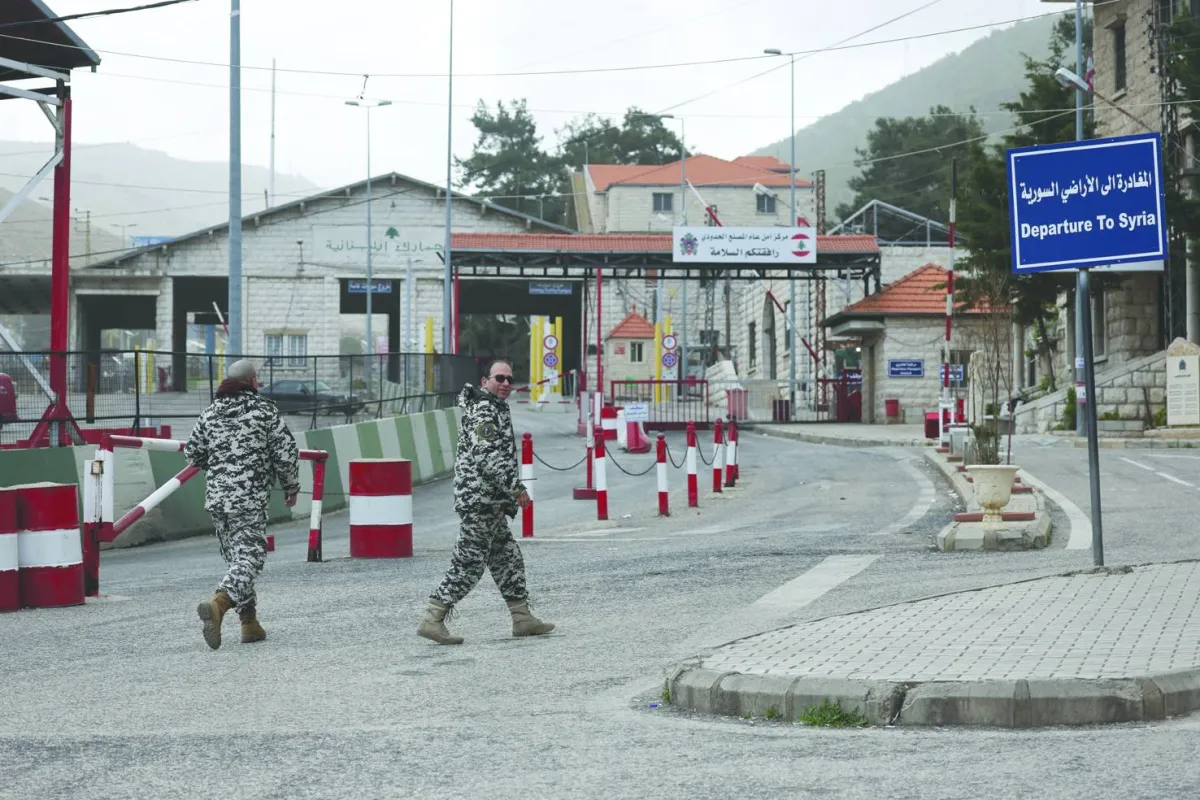
The U.S. administration has halted Israeli attacks on the Al-Masnaa border crossing between Syria and Lebanon, preventing Syria from slipping into conflict with Hezbollah. This decision reflects the role of the United States as a mediator in regional tensions, as it seeks to avoid escalating the conflict in the area.
According to political sources in Tel Aviv, Washington communicated with Israeli Prime Minister Benjamin Netanyahu following warnings from the Israeli army issued late Saturday night, which called for the evacuation of the crossing from both sides in preparation for its destruction. The Israeli army justified this by stating that Hezbollah uses the crossing and the M30 highway for military purposes.
Details of the Incident
Sources in Tel Aviv revealed that the United States requested Israel to suspend attacks for political reasons, leaving the matter to Syrian security officials operating under the supervision of Syrian President Ahmad al-Shara. This request reflects Washington's concern over escalating tensions in the region, especially amid the strained situation between Iranian-aligned Iraqi factions and the United States.
In a related context, Iranian-aligned Iraqi factions have expanded their attacks against U.S. interests in the region, prompting American airstrikes targeting positions of the Popular Mobilization Forces. This escalation reflects a state of instability in the region and complicates relations among various powers.
Background & Context
The region has been experiencing increasing tensions for some time, with overlapping regional and international interests. The Al-Masnaa crossing represents a strategic point and is considered one of the vital corridors between Syria and Lebanon. Historically, this crossing has been a focal point for many political and military events, making it a target for various parties.
Armed factions in the region, including Hezbollah and the National Guard, follow complex strategies aimed at enhancing their influence. At the same time, the United States seeks to maintain a balance of power, placing it in a sensitive position that requires precision in dealing with crises.
Impact & Consequences
The U.S. decision to halt Israeli attacks may contribute to easing tensions, but it may simultaneously bolster the position of Hezbollah and Iranian-aligned factions. This situation could lead to further escalation in the future, especially if sustainable political solutions are not reached.
This decision also reflects the challenges faced by the United States in managing its relationships with allies in the region, requiring a delicate balance between supporting allies and preventing military escalation.
Regional Significance
The Arab region is significantly affected by developments in Syria and Lebanon. The situations in these two countries have direct implications for the security and stability of neighboring states. Any escalation in conflict could lead to an influx of refugees and increased sectarian tensions.
In conclusion, the situation in the region remains complex and requires international and regional efforts to achieve stability. Continued tensions could exacerbate humanitarian and political crises, necessitating urgent action from the international community.