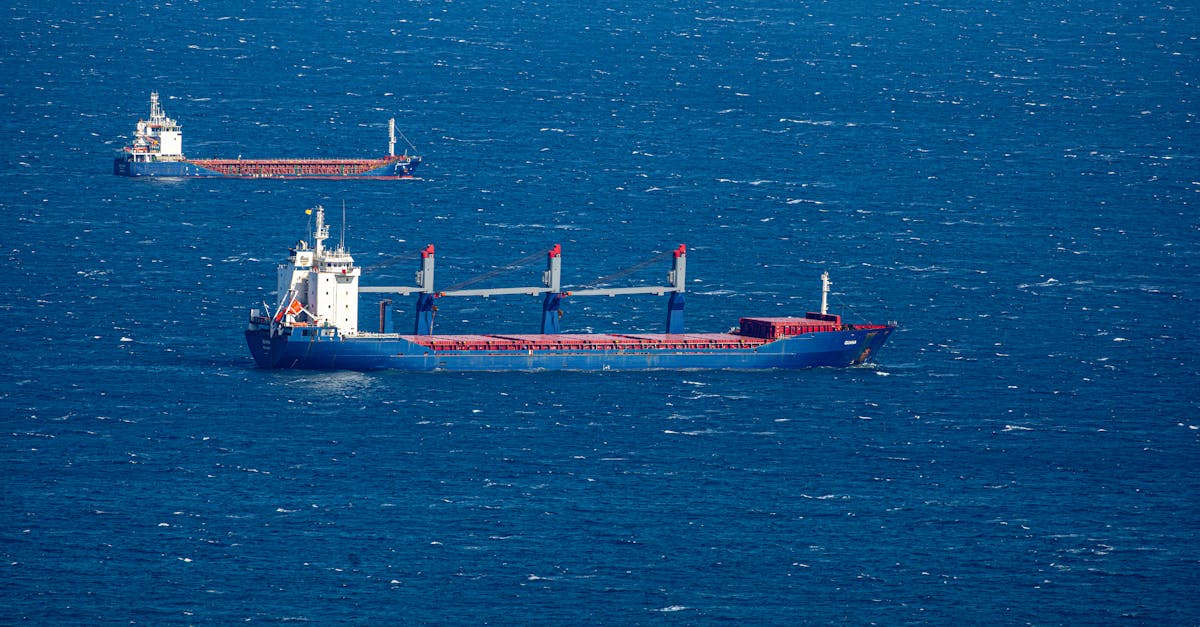
In a move reflecting escalating tensions in the Middle East, U.S. Secretary of State Marco Rubio affirmed that the United States will not allow Iran to dictate who can use the Strait of Hormuz, one of the world's most critical waterways. This statement came during an interview with Fox News, where he indicated that any attempt by Iran to impose fees or restrictions on maritime navigation in this strait would not be accepted.
Rubio emphasized that the United States will not tolerate Iran's attempts to normalize a system that allows it to control maritime traffic, stressing that such actions pose a threat to international security. He also added that President Donald Trump has the right to make decisions regarding the continuation of the war against Iran.
Details of the Event
These remarks come at a sensitive time, as Iran had previously announced it would not participate in any peace talks under pressure or threat, highlighting the importance of removing all obstacles, including the blockade imposed on the Strait of Hormuz. This was stated during a conversation between Iranian President Masoud Beheshtkin and Pakistani Prime Minister Shahbaz Sharif.
In a related context, Trump canceled the visit of his special envoys Steve Witkoff and Jared Kushner to Pakistan, which aimed to resume talks with Iran. Tensions in the region have intensified since the United States and Israel launched attacks on Iran on February 28, 2026, prompting Iran to respond by targeting Israeli areas and U.S. military facilities in the region.
Background & Context
Historically, the Strait of Hormuz is a vital point for oil and gas transportation, with approximately 20% of the world's total oil passing through it. The region has experienced ongoing tensions between Iran and the United States, especially following Washington's withdrawal from the Iranian nuclear deal in 2018. This withdrawal led to heightened military and economic tensions between the two sides.
On April 7, Washington and Tehran announced a two-week ceasefire, but talks held in Pakistan yielded no tangible results. On April 21, Trump announced an extension of the truce until Iran presents a proposal to resolve the conflict.
Impact & Consequences
These statements from U.S. officials serve as a warning to Iran and may lead to an escalation of tensions in the region. If Iran continues its attempts to control the Strait of Hormuz, we may witness military reactions from the United States and its allies, potentially escalating military conflict in the area.
Furthermore, any escalation in the Strait of Hormuz could significantly impact global oil markets, as any closure or restrictions on navigation could lead to a substantial increase in oil prices, affecting the global economy.
Regional Significance
For Arab countries, the situation in the Strait of Hormuz holds significant strategic importance. Many Gulf states rely on this passage for exporting their oil. Any escalation in tensions could impact regional security and increase risks to commercial navigation.
In conclusion, it seems that tensions between the United States and Iran will continue to affect stability in the region. It is crucial for Arab countries to remain prepared to face any repercussions that may arise from these tensions.