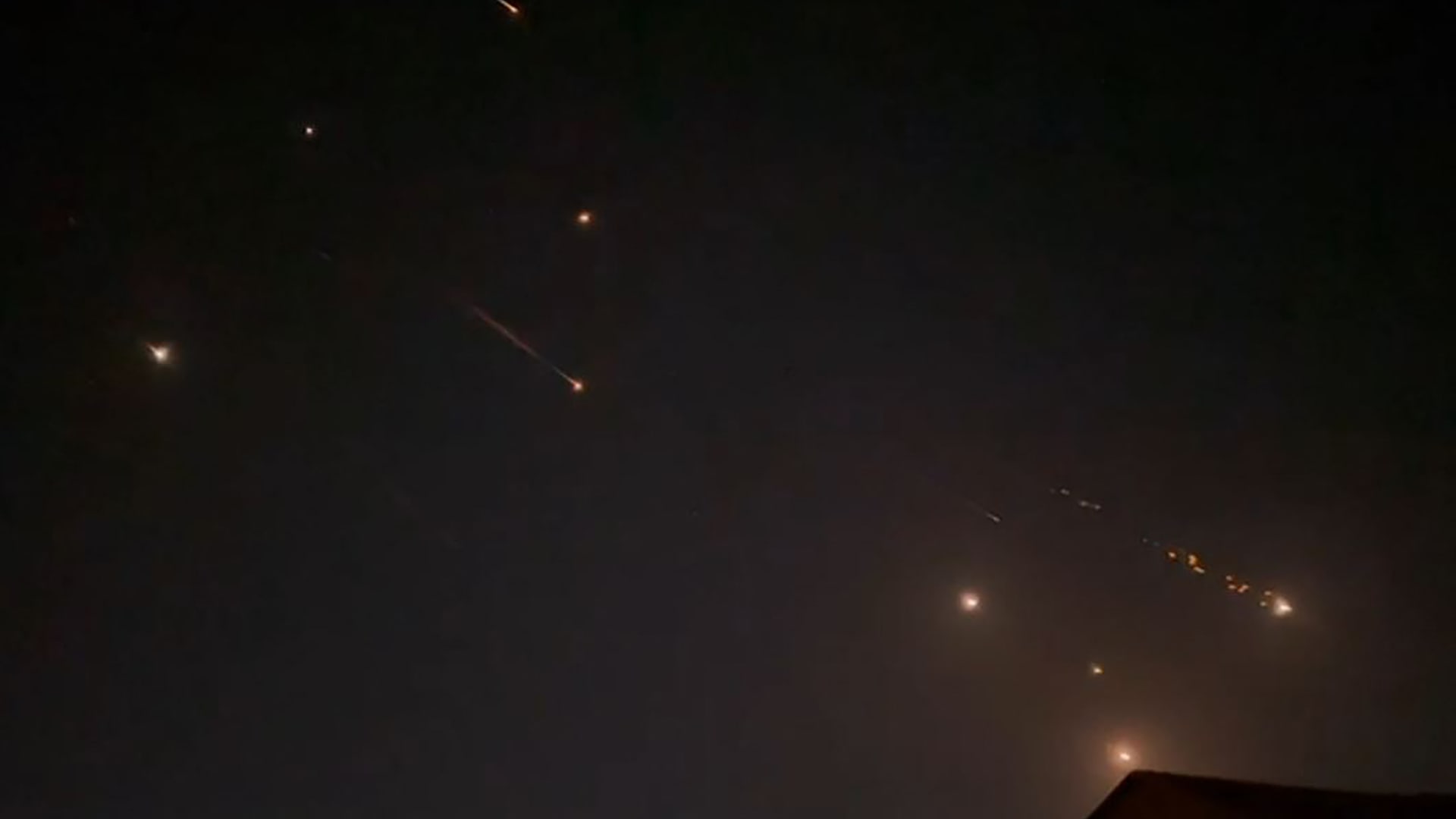
The White House spokesperson, Caroline Levitt, stated on Wednesday that the United States will not tolerate Iran's actions, indicating that President Donald Trump is ready to launch a stronger strike if Tehran fails to recognize its military defeat. Levitt explained during a press conference that Washington is not bluffing, and any miscalculation on Iran's part would be extremely costly.
Levitt remarked, "If Iran does not accept the current situation and fails to realize that it is in a weak position, the consequences will be severe." These statements come at a time when tensions between the United States and Iran are escalating, with both nations exchanging accusations regarding military activities and interventions in regional affairs.
Details of the Event
Levitt's remarks are part of the pressure policy adopted by the Trump administration towards Iran, which includes imposing stringent economic sanctions. Washington has shown its readiness to use military force if necessary, reflecting an escalation in the tone of American rhetoric towards Tehran.
Levitt also confirmed that talks with Iran will continue despite the disagreements, noting that Washington is seeking a diplomatic solution to the crisis. However, recent statements indicate that military options remain on the table, further heightening tensions in the region.
Background & Context
Historically, relations between the United States and Iran have been marked by increasing tensions since the Islamic Revolution in 1979. These tensions have led to a series of military and economic conflicts, including the Iran-Iraq War, the American invasion of Iraq, and Iran's nuclear program.
In recent years, these tensions have notably escalated following the United States' withdrawal from the Iranian nuclear deal in 2018, which led to the re-imposition of harsh economic sanctions on Tehran. These sanctions have significantly impacted the Iranian economy, prompting the government to take escalatory steps in the region.
Impact & Consequences
The recent American statements could lead to further escalation in tensions between Washington and Tehran, increasing the likelihood of military confrontation. Should Iran fail to respond to American pressures, the United States may find itself compelled to take military action, which could have dire consequences for regional security.
This escalation could also affect global oil prices, as any military conflict in the Gulf region could disrupt oil supplies, negatively impacting the global economy.
Regional Significance
Neighboring Arab countries, such as Iraq and Saudi Arabia, find themselves in a highly sensitive position. Any military escalation could have direct repercussions on these nations, whether through refugee flows or negative economic impacts.
Moreover, the situation could reignite sectarian conflicts in the region, as Iran plays a key role in supporting certain armed groups in Arab countries. Therefore, American escalation against Iran could affect the overall stability of the region.
In conclusion, relations between the United States and Iran remain in a state of increasing tension, with the possibility of military escalation continuing. The situation requires close monitoring by the international community, as any escalation could lead to severe consequences for security and stability in the region.