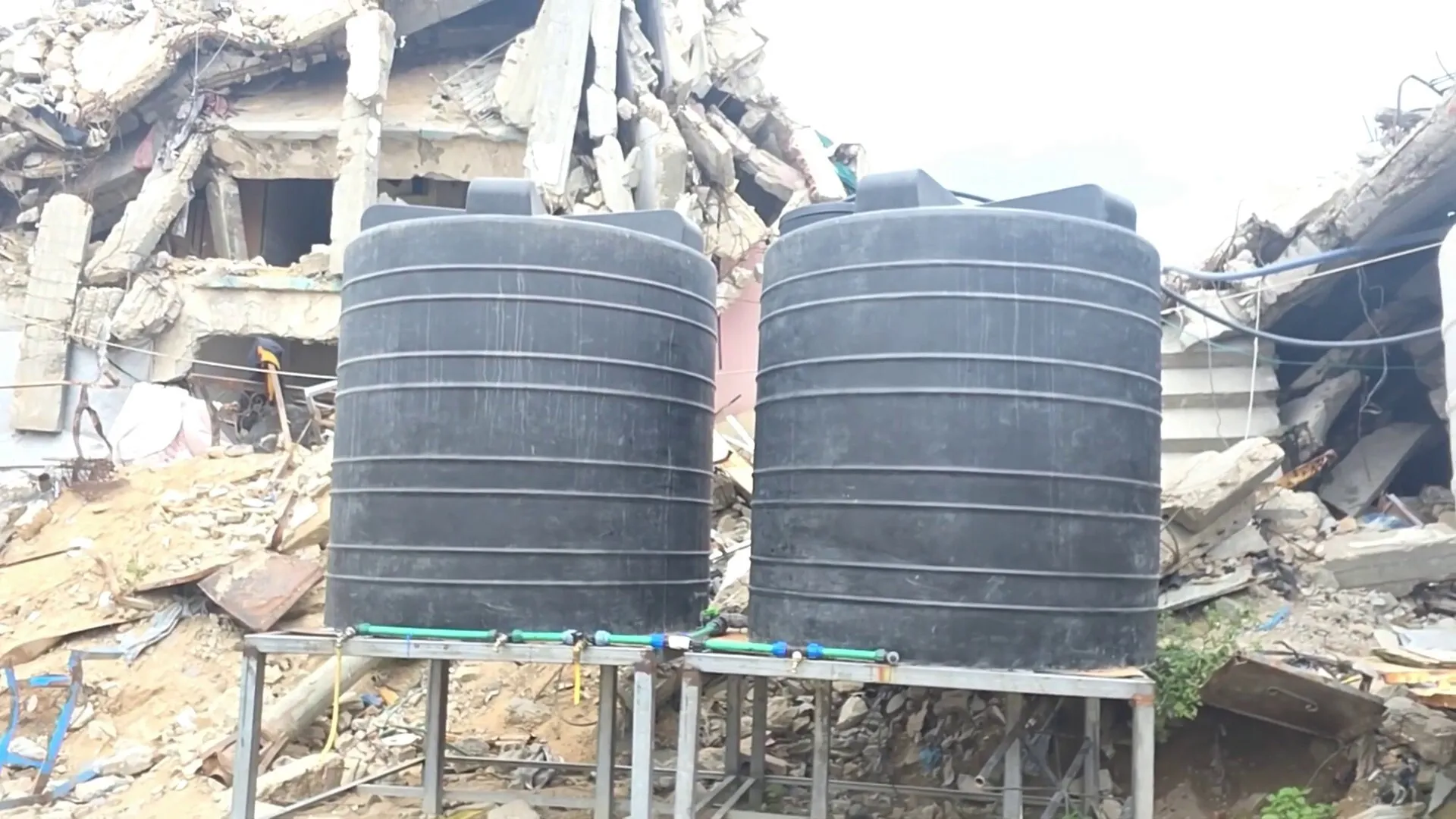
The town of Jabalia in northern Gaza is currently facing a severe water crisis after the main desalination plant ceased operations, threatening the lives of thousands of displaced individuals in the area. The plant, which was considered a lifeline for hundreds of families, halted due to a lack of necessary spare parts for maintenance, depriving over 15,000 Palestinians of their primary source of drinking water.
According to Al Jazeera's correspondent in Jabalia, Bilal Abu Khalifa, the 'Al-Hassan' plant, established through local efforts, has completely stopped functioning, exacerbating the water crisis in the region. The plant used to provide filtered water around the clock, but the ongoing Israeli conflict has destroyed many water networks, making it increasingly difficult for residents to access safe water sources.
Details of the Incident
Jamal Qarmout, one of the plant's operators, explained that the project started in April 2024 and had gradually expanded to serve wide areas of Jabalia. The plant was capable of producing up to 3 cups of water per hour, but its production capacity has diminished due to the blockade, leading to its complete shutdown.
The recent breakdown of the plant has resulted in a critical water shortage, as water tankers are insufficient to meet the needs of residents who rely on them as their main source of drinking water. The situation has become more complicated with rising demand for water and irregular supply.
Background & Context
The water crisis in Gaza is one of the largest challenges facing the population, as repeated wars have destroyed the water infrastructure. According to the government media office in Gaza, approximately 400,000 meters of water networks have been destroyed, along with more than 700 wells, further increasing the suffering of residents in accessing clean water.
The plant that has stopped operating represented hope for many, especially given the difficult conditions faced by the displaced. Residents have expressed concern about the implications of this shutdown on their health and daily lives.
Impact & Consequences
The cessation of the desalination plant has not only affected water availability but has also created a state of anxiety and instability among residents. Many are now searching for alternative water sources, which has increased their daily struggles. Patients, in particular, are facing difficulties in obtaining the water necessary for their medications, threatening their health.
One displaced individual stated that acquiring water now requires chasing after tankers or moving between areas, exacerbating their hardships. Others noted that the plant was their only lifeline, and its shutdown threatens their survival in the region.
Regional Significance
The water crisis in Gaza highlights the humanitarian challenges faced by the region, as humanitarian crises are escalating amid wars and conflicts. The continuation of the current situation could worsen humanitarian crises in other parts of the Arab world, necessitating urgent intervention from the international community.
In conclusion, Qarmout appeals to international organizations, such as 'Doctors Without Borders' and 'UNICEF,' for urgent intervention to either restart the plant or establish a new one to meet the needs of the population. Access to water is a fundamental right that cannot be delayed, and it should be a priority in any humanitarian efforts.