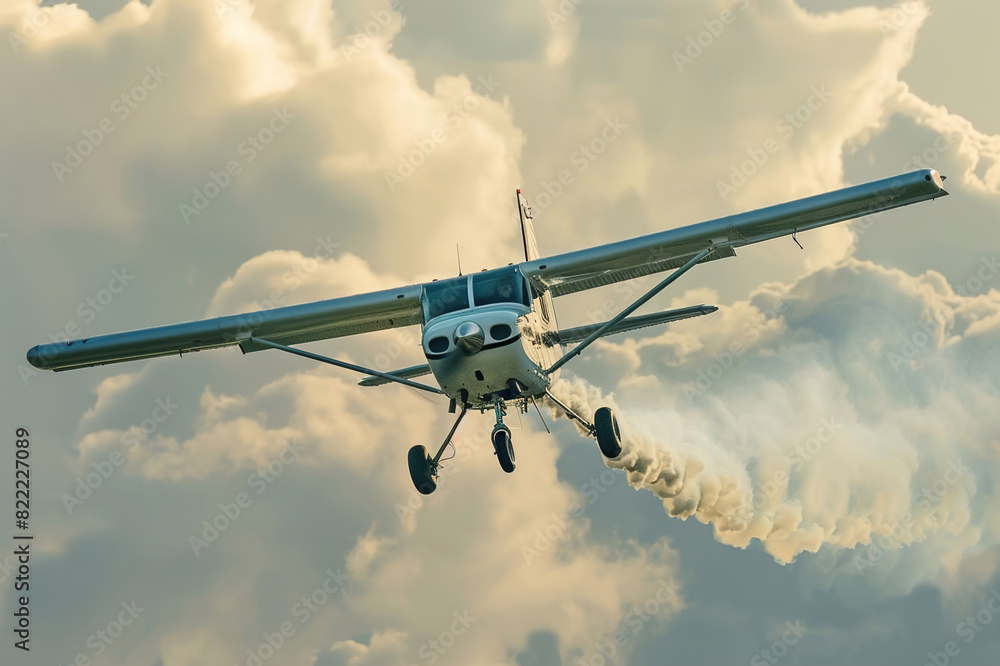
Weather modification operations in Riau, Indonesia, began from March 28 to April 1, 2026, where 11 tons of salts were released into the atmosphere to encourage rainfall. This step is part of the government's efforts to combat forest fires and maintain soil moisture, particularly in organic-rich areas such as peatlands.
Jim Gafur, head of the emergency and logistics department at the Riau disaster management agency, reported that this operation is the second phase of weather modification efforts, following a similar operation conducted in early February. These operations aim to keep the land moist and prevent it from drying out, thereby reducing the risk of fires.
Details of the Weather Modification Operations
The weather modification efforts were concentrated in the eastern coastal areas of Riau, including Bengkalis Regency, Indragiri Hilir, Siak, Pelalawan, and Dumai City. These measures have shown significant effectiveness in reducing fire risks in these regions, with 310 hot spots detected in Riau, the majority of which were located in Bengkalis Regency.
Additionally, Riau has been equipped with a special aircraft for weather modification, and one helicopter has been introduced for firefighting purposes. Authorities are working on requests to increase the number of helicopters allocated for this purpose, given the rising areas affected by fires.
Background & Context
Weather modification is a modern technique used to stimulate rainfall in areas suffering from drought or fire risks. This technique has been employed in several countries worldwide, including Gulf states, where some regions face water shortages. In Indonesia, forest fires are a recurring issue, especially during the dry season, necessitating effective preventive measures.
Historically, Indonesia has experienced numerous natural disasters related to fires, impacting the local environment and public health. Therefore, utilizing weather modification techniques is a strategic step to address these environmental challenges.
Impact & Consequences
The weather modification operations in Riau represent a positive step towards improving environmental conditions and reducing fire-related risks. If these operations succeed, they could pave the way for broader applications in other regions facing similar issues. Additionally, these operations may affect local agriculture by enhancing soil moisture and increasing crop productivity.
However, this technique must be approached with caution, as there are concerns about potential environmental impacts, including its effects on the local climate. Continuous monitoring and comprehensive evaluation will be essential to ensure the success of these operations.
Regional Significance
Indonesia's experiences in weather modification could be of significant importance to Arab countries, especially those suffering from water scarcity and drought. Utilizing similar techniques may help improve water resource management and enhance countries' abilities to face climate challenges. Furthermore, cooperation between Arab nations and Indonesia in this field could lead to knowledge and expertise exchange.
In conclusion, the weather modification operations in Riau exemplify how technology can be employed to tackle environmental challenges. The success of these operations may encourage other countries to adopt similar strategies to improve environmental conditions and conserve natural resources.