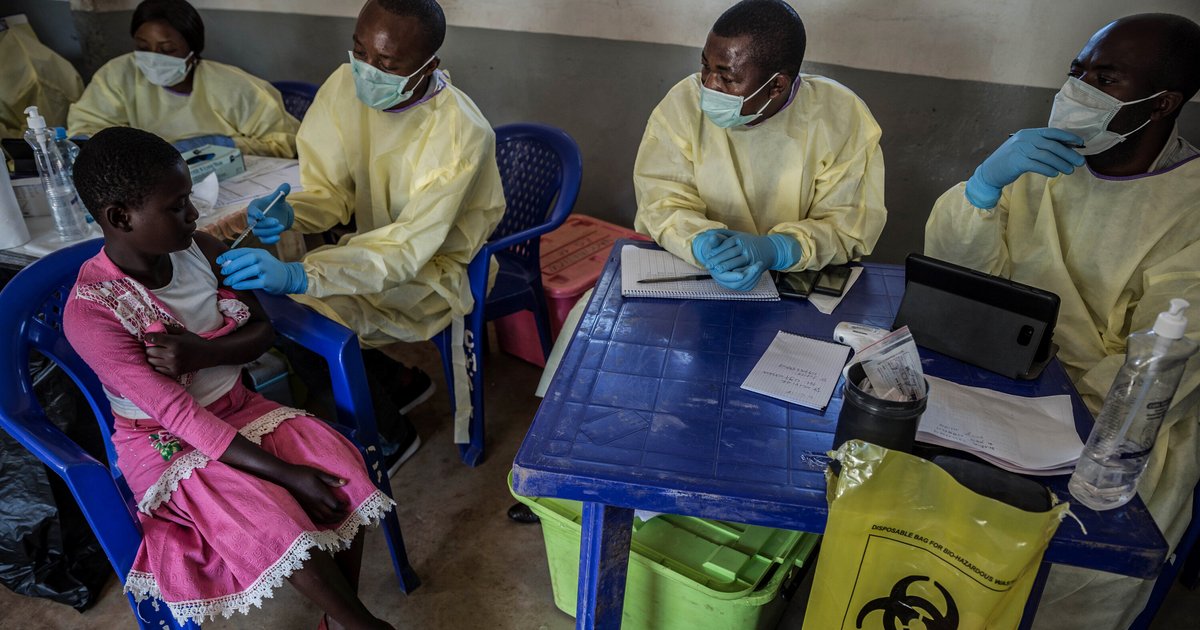
On Sunday, June 17, 2023, the World Health Organization (WHO) classified the Ebola virus as a global public health emergency. This announcement comes at a time when fears of the virus spreading to new regions are increasing, prompting several countries to strengthen their health protocols.
In a swift response, the Indonesian government announced an increase in health awareness and precautions across the country. This move is part of the government's efforts to protect citizens and limit the spread of the virus, especially with rising infection cases in some African nations.
Event Details
The Ebola virus is a highly contagious disease that can lead to the death of those infected. The virus was first discovered in 1976 in the Democratic Republic of the Congo, and since then, the world has witnessed several outbreaks, resulting in thousands of deaths. Symptoms of Ebola include severe fever, bleeding, and vomiting, making it essential to take rapid action to combat it.
Through its recent declaration, the WHO aims to motivate member states to adopt effective preventive measures, including enhancing health screenings at points of entry, providing vaccines, and training healthcare workers on how to handle suspected cases.
Background & Context
Historically, Ebola outbreaks have been concentrated in West and Central Africa, but with the increase in global travel and mobility, the virus could potentially spread to new areas. In 2014, the world witnessed the largest outbreak of the virus in human history, which spread across several African countries and resulted in over 11,000 deaths.
In recent years, effective vaccines against Ebola have been developed, aiding in the control of the disease's outbreaks. However, the virus still poses a real threat, particularly in regions with weak health infrastructure.
Impact & Consequences
The WHO's declaration of a public health emergency serves as a call for countries to intensify their efforts to address this threat. This situation is expected to impact travel and trade, as some countries may implement strict measures to limit the virus's spread.
The health emergency may also affect tourism, as many travelers might avoid visiting areas where cases have been reported. This could negatively impact the local economies of those countries.
Regional Significance
Although the Ebola virus has not recorded cases in Arab countries so far, the declaration of a health emergency may raise concerns in the region. Arab nations must enhance their preparedness to face any potential health threats, especially given the increasing movement of travel and trade among countries.
Furthermore, regional and international cooperation in public health is vital to address such crises. Arab countries should work together to strengthen healthcare systems and share information and expertise to tackle future health challenges.