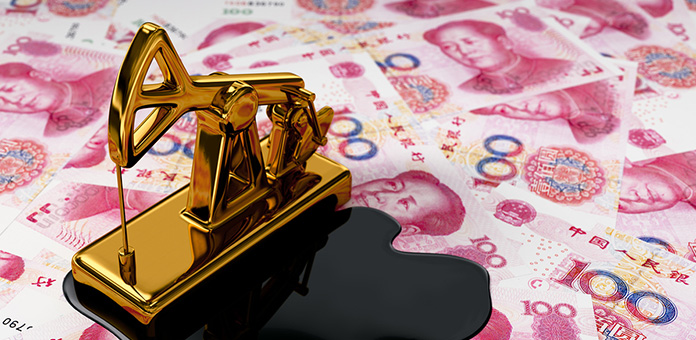
Despite China's ongoing efforts to promote the use of yuan in oil pricing, the US dollar continues to hold its position as the primary reference in the global market. This situation raises questions about the factors preventing the petro-yuan from displacing the dollar, especially in light of global economic and political changes.
Several factors bolster the strength of the dollar, including the economic and political stability of the United States, along with the network of trade and financial relationships it maintains with other countries. In contrast, the yuan faces challenges related to controlling and managing its financial flows, which affects investor confidence in using it as a currency for oil pricing.
Event Details
In recent years, China has been enhancing the use of the yuan in international trade, including oil. It has launched several oil contracts denominated in yuan, reflecting its desire to reduce dependence on the dollar. However, the dollar remains the most widely used currency in global oil transactions, accounting for over 80% of total transactions.
This percentage is an indicator of the dollar's strength, as many countries and major companies prefer to transact in it due to its stability and reliability. Additionally, the dollar benefits from a vast network of banks and financial institutions that support its use in international transactions.
Background & Context
Historically, the dollar became the primary currency for oil pricing since the 1970s, after it was pegged to gold. Since then, the dollar has become a symbol of American economic power. Meanwhile, the yuan seeks to enhance its status as a global currency, but this requires further economic and financial reforms in China.
China aims to expand its economic influence through the Belt and Road Initiative, which seeks to enhance trade and investment with other countries. However, internal and external challenges, including trade tensions with the United States, hinder these efforts.
Impact & Consequences
If the petro-yuan manages to achieve a reference status in oil pricing, it could lead to radical changes in the global financial system. Oil-producing countries may find themselves compelled to adapt to a new pricing system. This could also enhance China's ability to influence global economic policies.
However, the challenges facing the yuan, such as restrictions on capital movement and government oversight, may impede its progress. Therefore, the transition from the dollar to the yuan as the primary reference for oil pricing may take a considerable amount of time.
Regional Significance
Arab countries are among the largest oil producers in the world, and thus any change in the oil pricing system could directly impact their economies. If the yuan is adopted as the primary currency, these countries may need to reassess their trade and financial strategies.
The potential shift to the yuan could also open new avenues for economic cooperation between Arab countries and China, which may contribute to strengthening trade and investment relations. However, the challenges associated with transitioning from the dollar may still persist.
In conclusion, the US dollar remains the dominant currency in oil pricing, despite China's efforts to promote the use of the yuan. Achieving this goal requires more time and reforms, making it difficult to predict the future of the petro-yuan in the global market.