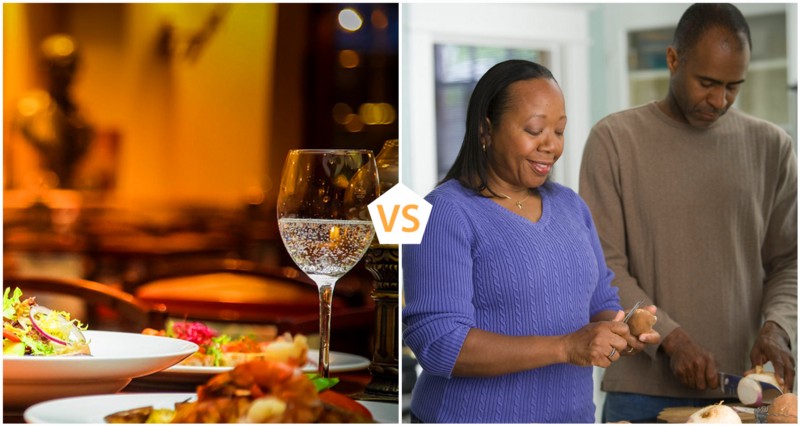
Numerous questions arise from housewives and cooking lovers regarding the secret behind the distinct flavors of dishes served in restaurants compared to those prepared at home. Despite using the same ingredients, the results are often noticeably different. Is this discrepancy solely due to seasoning, or are there other factors contributing to it?
Culinary experts have indicated that several reasons contribute to the difference between homemade food and restaurant dishes, ranging from cooking techniques to the quality of ingredients used. Restaurants often utilize fresh, high-quality ingredients, along with advanced cooking techniques, which enhance the overall flavor.
Cooking Techniques and Equipment
Seasoning is an essential part of the cooking process, but it is not the only factor. Restaurants rely on specific cooking methods such as grilling or deep frying, which add unique flavors to the dishes. Additionally, the use of professional equipment like ovens and large pans can significantly impact the quality of the food.
Moreover, the quantity of food prepared plays a role as well. Restaurants typically prepare large quantities of food, allowing for better distribution of flavors. In contrast, at home, achieving the same balance of flavors can be challenging when cooking smaller amounts.
Background & Context
In recent years, there has been a growing interest in home cooking, especially with the rise of online cooking culture. People can now learn new techniques and recipes through videos and articles. However, the question remains: why does homemade food still taste different?
Historically, home cooking relied on traditional recipes, while restaurants adopt new methods and innovations in the culinary world. This difference in techniques and approaches contributes to the noticeable flavor disparities.
Impact & Consequences
The impact of these differences extends to health and nutrition. Restaurants often use large amounts of salt and fats to enhance flavor, which can negatively affect health. In contrast, individuals cooking at home can control the quantity of ingredients used, making the food healthier.
These differences may also affect the local economy, as many people tend to dine out rather than cook at home, impacting the sales of food ingredients in markets.
Regional Significance
In the Arab region, food is an essential part of culture and traditions. Therefore, improving cooking skills at home can contribute to preserving cultural heritage. Encouraging home cooking can also help improve public health and reduce reliance on fast food.
In conclusion, home cooking remains a unique experience, and everyone should explore new ways to enhance their kitchen skills. The balance between using quality ingredients and applying the right cooking techniques can make a significant difference in the final flavor.