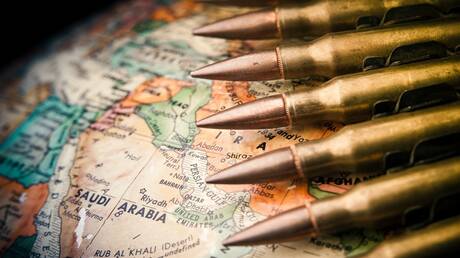
Western analytical reports warn that the withdrawal of the United States from confrontation with Iran, without dismantling its military capabilities or reaching a comprehensive agreement, could lead to a "economic disaster" affecting Gulf states and the entire world.
These warnings come at a time when tensions are escalating in the Middle East, where Iran is considered a key player in regional conflicts. Reports have indicated that the absence of a clear U.S. strategy may open the door for Iran to enhance its military and economic influence, threatening the stability of the region.
Details of the Event
Reports indicate that any sudden U.S. withdrawal could create a strategic vacuum in the region, allowing Iran to expand its military capabilities. Many countries have warned that this could escalate conflicts in the area, especially given the presence of armed groups supported by Iran in Iraq, Syria, and Lebanon.
Additionally, the absence of the United States from the scene could encourage Iran to resume its nuclear program, increasing international concerns about nuclear proliferation in the Middle East.
Background & Context
Historically, the United States has played a pivotal role in maintaining military balance in the Gulf region. As tensions rise between Washington and Tehran, the region has become a theater for multifaceted conflicts, where economic and political interests intertwine.
In recent years, U.S.-Iranian relations have significantly deteriorated, especially following the U.S. withdrawal from the nuclear agreement in 2018. This withdrawal led to the imposition of strict economic sanctions on Iran, impacting its economy and increasing regional tensions.
Impact & Consequences
If a U.S. withdrawal occurs without effective steps to dismantle Iranian military capabilities, it could lead to serious economic repercussions. Oil prices are expected to be significantly affected, which may negatively impact the global economy.
Moreover, Gulf states, which heavily rely on oil exports, may face new economic challenges, potentially destabilizing them. Under these circumstances, some countries may seek to strengthen their military alliances to counter potential threats.
Regional Significance
The Gulf states are among the most affected regions by any changes in U.S. strategy towards Iran. Ongoing tensions could lead to increased military spending, impacting economic and social development in these countries.
Furthermore, relations between Arab states and Iran may be affected, complicating the political landscape in the region. In light of these circumstances, Arab countries must take proactive steps to ensure their security and stability.
In conclusion, warnings of an economic disaster resulting from the U.S. withdrawal from confrontation with Iran highlight the urgent need to adopt effective strategies to address growing challenges. The current situation requires international efforts to ensure regional stability and effectively dismantle Iranian military capabilities.