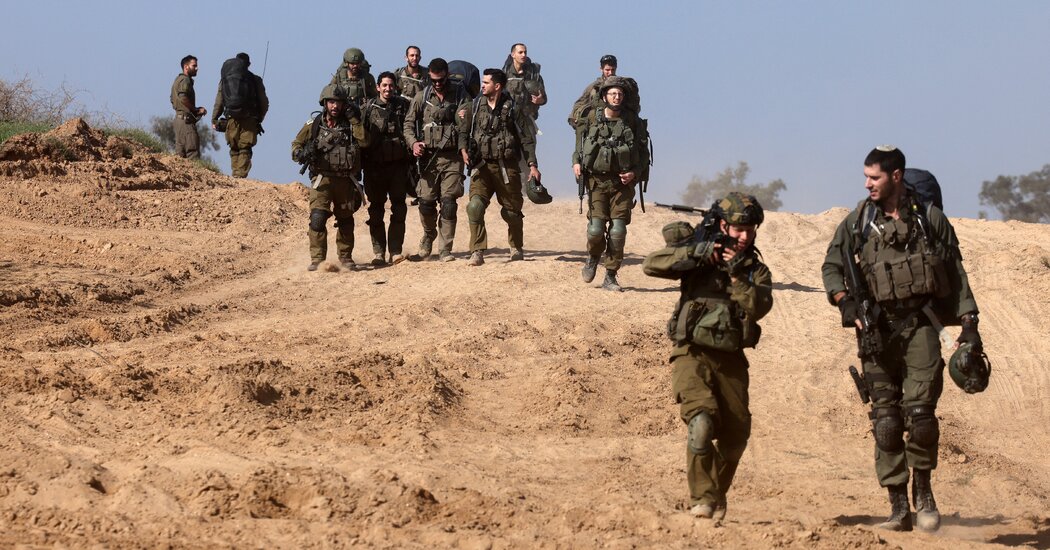
Military sources have announced the withdrawal of foreign troops from strategic areas, raising fears of escalating security tensions. This decision comes at a sensitive time marked by radical changes in the region.
The withdrawal, confirmed by several sources, is part of a reassessment of foreign military strategies in the area. This decision has elicited mixed reactions among the concerned countries, with some viewing it as a step towards enhancing national sovereignty, while others see it as a threat to regional security.
Details of the Event
The announcement of the withdrawal was made during a press conference held by a senior military official, who confirmed that the troops would leave within the coming weeks. He explained that this decision followed a comprehensive assessment of the security situation in the region, noting that the troops would leave behind some essential military equipment.
The official also indicated that the withdrawal would not affect ongoing security cooperation with allied countries, and that there are plans to enhance local capabilities to address security challenges. Specific timelines for the withdrawal of military units have been established, allowing the concerned countries to prepare for this new phase.
Background & Context
This move comes amid radical changes in the region, where pressures are mounting on foreign troops to withdraw. In recent years, there has been a surge in local calls to end foreign military presence, reflecting the desire of the region's populations to regain control over their territories.
Moreover, the withdrawal occurs at a time of increasing tensions between regional powers, complicating the security landscape further. There have been warnings that the security vacuum resulting from this withdrawal could lead to a rise in violence and chaos.
Impact & Consequences
This withdrawal is expected to have significant implications for regional security. Analysts have warned that the vacuum left by the withdrawal of foreign troops could be exploited by extremists to increase their activities in the area. Neighboring countries may also feel anxious about rising border tensions as a result of this withdrawal.
Furthermore, the withdrawal could lead to changes in regional alliances, as some countries may seek to strengthen their ties with major powers to compensate for the vacuum left by the withdrawal. This could result in a radical reshaping of the political landscape in the region.
Regional Significance
This withdrawal represents a milestone in the relations between Arab countries and foreign powers. Foreign troops have been considered a significant factor in stabilizing some nations, but with the increasing calls for national sovereignty, the security situation in the region may witness substantial transformations.
Additionally, this withdrawal could impact relations among Arab countries themselves, as some may seek to enhance their security cooperation in facing new challenges. At the same time, some nations may experience a rise in internal conflicts due to the security vacuum.
In conclusion, the withdrawal of foreign troops marks an important step in reshaping the security landscape in the region. However, the question remains as to how this decision will affect regional stability in the future.