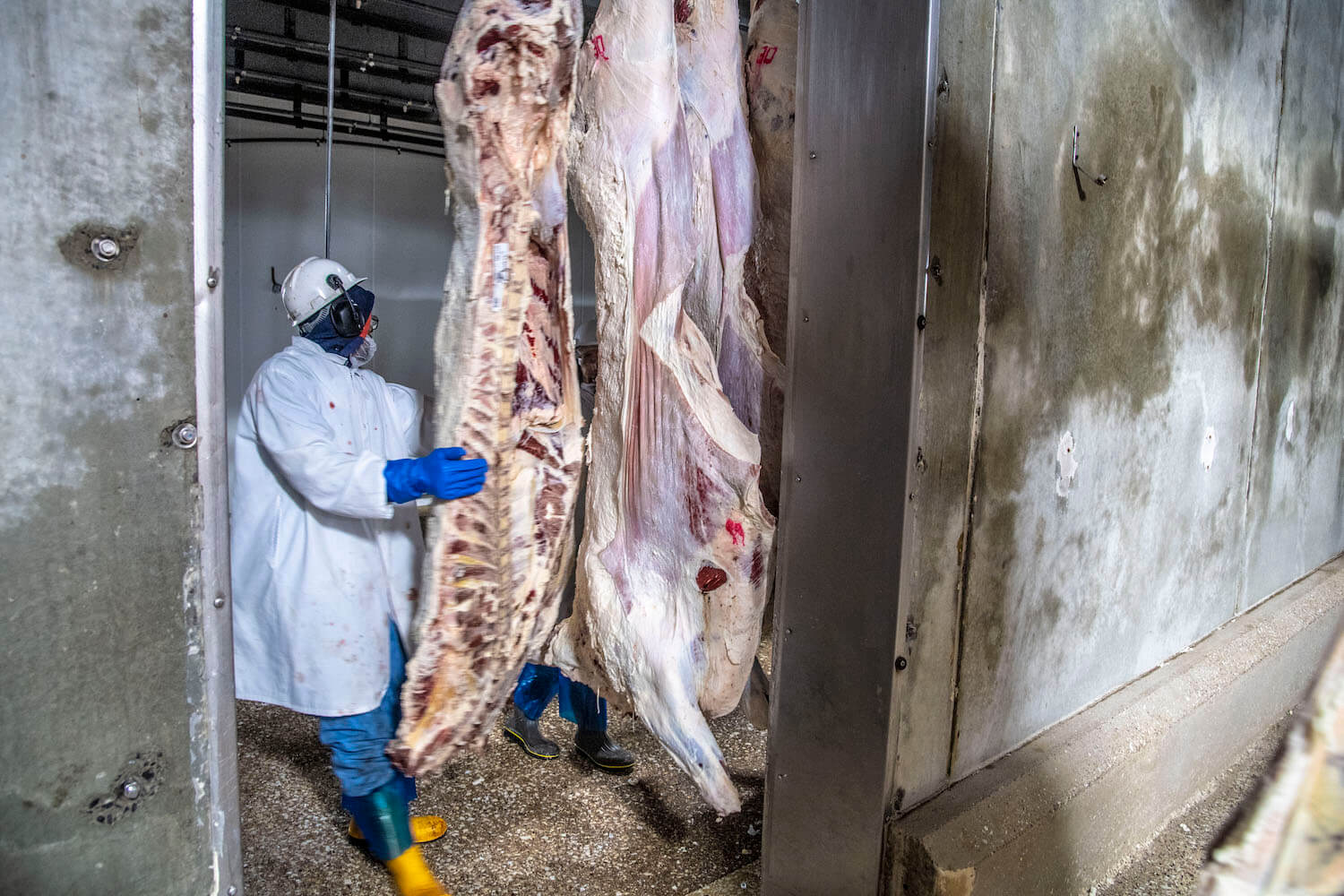
Workers at the American meat processing plant have announced their decision to end the strike that lasted several days, intending to resume negotiations with management. This decision follows a period of tension between the workers and the plant's management, as workers strive to improve their working conditions and increase their wages.
This step is significant given the current economic conditions affecting many sectors. Workers hope that the negotiations will yield positive results that reflect their needs and demands.
Details of the Strike
The strike began earlier this month, with workers protesting against poor working conditions and low wages. The plant experienced a significant halt in production, impacting the supply chain in the market. The workers, representing a large segment of the workforce, affirmed that they would not back down from their demands until they are met.
At the same time, management has shown a willingness to sit down at the negotiation table, reflecting its desire to find a solution that satisfies all parties. A new meeting date has been set between the two sides, instilling hope for a potential agreement.
Background & Context
Historically, the United States has witnessed numerous strikes in the meat sector, as workers consistently seek to improve their rights and working conditions. These strikes are often a result of the imbalance between wages and the rising cost of living. In recent years, pressures on workers have intensified due to inflation and rising prices, making them more determined to demand their rights.
Meat processing plants are vital sectors in the American economy, playing a key role in providing food for the population. Therefore, any production stoppage can significantly affect the market and lead to supply shortages.
Impact & Consequences
If the negotiations succeed, they could have positive repercussions for workers across the country, as this move may encourage more workers in other sectors to demand their rights. Conversely, if negotiations fail, it could lead to an escalation of strikes in other plants, negatively impacting the economy.
These events are part of a broader movement in the United States, where workers in various sectors are striving to improve their working conditions. Recently, there has been an increase in the number of strikes across several fields, reflecting workers' desire for radical changes.
Regional Significance
Although this event is taking place in the United States, it could have potential impacts on the Arab region. Increased wages and improved working conditions in the U.S. may lead to a rise in demand for imported products, including meat, which could affect prices in Arab markets.
Moreover, these events may inspire workers in Arab countries to demand their rights, especially amid the challenging economic conditions many nations face. Solidarity among workers worldwide can lead to improvements in labor rights overall.
In conclusion, the workers' decision to end the strike and resume negotiations represents an important step toward achieving their demands. It remains to be seen how matters will unfold in the coming days and whether negotiations will lead to positive outcomes that reflect the workers' needs.