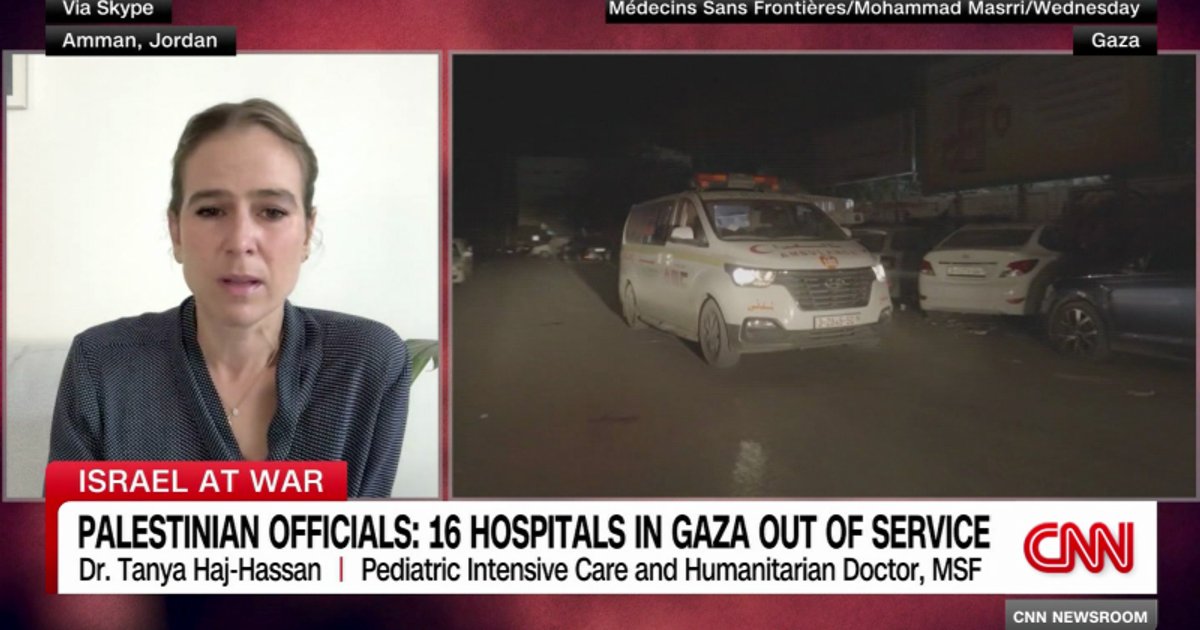
The World Health Organization (WHO) reported in its latest findings that rehabilitating the health system in the Gaza Strip necessitates an investment of up to $10 billion, equivalent to approximately 172 trillion rupees, over a span of five years. This announcement was made during a press conference held in Geneva, where the severe damage inflicted on the health sector in Gaza was discussed.
Reinhold van der Weerdt, the WHO representative in the occupied Palestinian territories, stated that the damages in the health sector alone are estimated at around $1.4 billion. More than 1800 health facilities have been partially or completely destroyed, including major hospitals, small health centers, clinics, and pharmacies.
Details of the Event
The report indicated that the destruction of health facilities has resulted in deteriorating health conditions, as the ruined buildings and war debris have created an ideal environment for the proliferation of rats and insects. It was reported that 80% of 1600 refugee sites have witnessed the emergence of rats and insects, leading to outbreaks of skin diseases such as scabies and lice.
Despite these challenges, the WHO confirmed that it continues its efforts to improve the health system in Gaza, having added 128 beds in Al-Shifa Hospital.
Background & Context
Historically, the Gaza Strip has suffered from recurring health crises due to ongoing conflicts and the imposed blockade. The deteriorating economic situation has exacerbated health conditions, with the population facing severe shortages of essential medicines and medical supplies.
It is noteworthy that health conditions in Gaza have always been critical, but the escalation of conflict in recent years has intensified these situations, making the need for rebuilding the health system more urgent.
Impact & Consequences
These figures indicate the significant impact that conflicts have had on public health in Gaza. The lack of basic health services directly affects the lives of the population, increasing rates of diseases and mortality.
The deteriorating health situation in Gaza could also have negative repercussions on neighboring countries, as diseases can easily spread across borders, necessitating an urgent regional and international response.
Regional Significance
The repercussions of the health situation in Gaza extend beyond the enclave, affecting regional stability. Improving the health system in Gaza is part of broader efforts to achieve stability in the region, reflecting the challenges faced by Arab countries in health and development sectors.
In conclusion, the health situation in Gaza requires an immediate response from the international community, as investing in health is not just a humanitarian necessity but an investment in the future of the entire region.