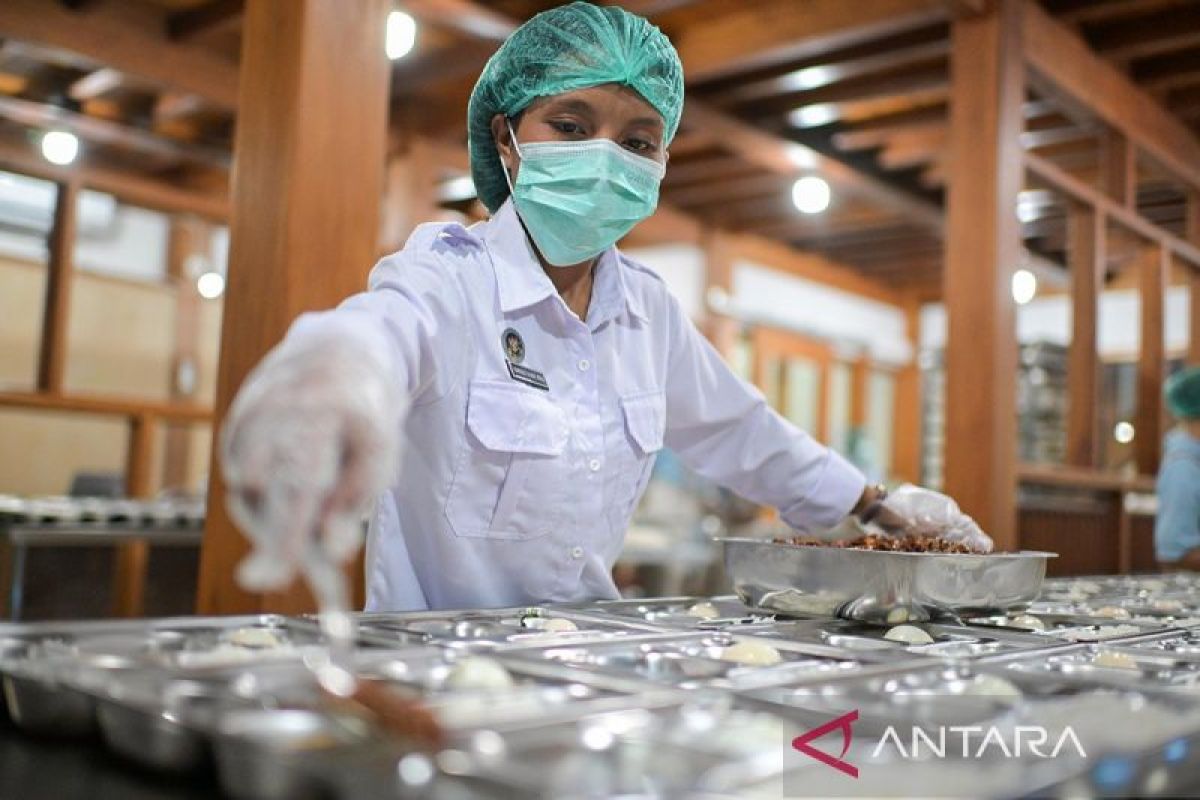
The Indonesian Ministry of Health (Kemenkes) has announced the issuance of 14,646 food safety certificates (SLHS) to nutrition service centers (SPPG) nationwide by April 2026. This initiative is part of the government's efforts to enhance public health standards and ensure the safety of food provided to citizens.
As one of the largest countries in Southeast Asia, Indonesia aims to strengthen its health system by implementing strict standards across all food facilities. The certificates issued are designed to ensure that all food establishments comply with hygiene and safety standards, contributing to the protection of public health.
Details of the Food Safety Certificates
The certificates issued involve thorough assessments of hygiene and health standards at food facilities. These standards include checking the quality of ingredients, cleanliness of the premises, and training for nutrition staff. Efforts are also underway to expedite the certification process for additional facilities, demonstrating the government's commitment to improving community health.
This initiative is part of a comprehensive strategy aimed at raising health awareness among citizens, as the government seeks to emphasize the importance of proper nutrition and hygiene in enhancing quality of life.
Background & Context
Historically, Indonesia has faced significant challenges in public health, particularly concerning food safety. Incidents related to food poisoning have heightened awareness of the necessity for strict standards. In recent years, the government has taken effective steps to improve this situation, including the issuance of food safety certificates.
The government's proactive approach reflects a growing recognition of the need for robust food safety measures, especially in a country where foodborne illnesses have been a persistent issue. By establishing these certifications, Indonesia aims to create a safer food environment for its population.
Impact & Consequences
The government anticipates that these certificates will lead to improved public health levels and a reduction in food poisoning cases. Additionally, enhancing food safety standards may increase citizens' trust in food establishments, resulting in a higher demand for healthy food options. Furthermore, improving food safety standards could open new avenues for export, as the quality of food products may enhance Indonesia's position in global markets.
This initiative not only aims to protect public health but also seeks to foster a culture of safety and quality in food production and distribution. The long-term benefits could significantly impact the country's economy and public health landscape.
Regional Significance
As Indonesia continues to develop its food safety framework, the implications extend beyond its borders. Neighboring countries may look to Indonesia's model as a benchmark for their own food safety initiatives. This could lead to regional collaborations aimed at improving food safety standards across Southeast Asia.
Ultimately, Indonesia's commitment to food safety is a critical step in ensuring the well-being of its citizens and enhancing the country's reputation on the international stage.