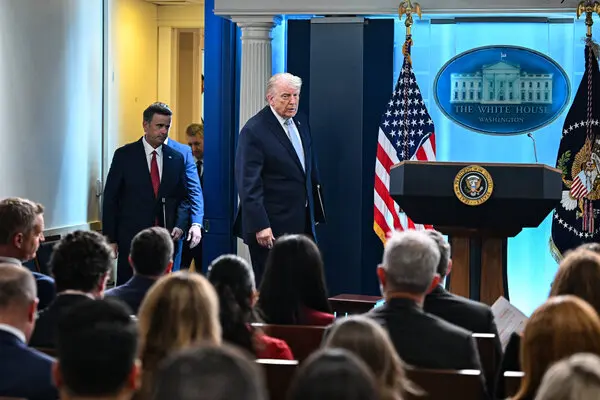
World leaders expressed their relief on Wednesday regarding the temporary ceasefire agreement reached by the United States, Iran, and Israel, as President Donald Trump backed away from his threats to escalate the war that has negatively impacted the global economy. However, this relief is accompanied by a profound sense of helplessness felt by most countries over the past six weeks, as they witnessed Trump waging a war that has affected their economies, energy supplies, and political relations.
Even if the two-week ceasefire becomes permanent, leaders, particularly in Europe, will have to address the damage caused by this war to the global economy and its security. They will also need to seek better ways to navigate the new world order imposed by Trump during his second term in the White House, where he manipulates both friends and foes alike.
Details of the Ceasefire Agreement
While Danish Foreign Minister Lars Løkke Rasmussen expressed optimism about the current situation, he wrote on the social media platform X: "Is the world better today than yesterday? Undoubtedly. But is it better than 40 days ago? More than questionable." These statements reflect the prevailing anxiety among European nations.
Spanish Prime Minister Pedro Sánchez praised the ceasefire, calling it "good news, especially if it leads to a just and lasting peace." However, he did not hesitate to sharply criticize Trump's military campaign.
Background & Context
These developments come at a sensitive time, as relations between the United States and Iran have been severely strained in recent years, particularly following Trump's withdrawal from the Iranian nuclear agreement in 2018. This withdrawal led to escalating military and economic tensions in the region, affecting stability in the Middle East.
Historically, wars in the Middle East have impacted the global economy, with oil and gas prices being affected, which in turn reflects on financial markets worldwide. Recently, there has been a rise in energy prices due to these tensions, increasing pressure on governments and businesses.
Impact & Consequences
An analysis of the current situation indicates that European countries face significant challenges in dealing with Trump's policies, characterized by volatility and instability. These policies could exacerbate economic and political crises in European nations, as they find themselves forced to adapt to Trump's unpredictable decisions. Furthermore, the continuation or even resurgence of the war could worsen humanitarian crises in the region, leading to increased refugee flows and impacting national security in European countries.
In conclusion, the international community must remain vigilant and proactive in addressing the challenges posed by the evolving geopolitical landscape, ensuring that the ceasefire leads to sustainable peace and stability.
Regional Significance
The implications of this ceasefire extend beyond the immediate parties involved, as it could reshape the dynamics of power in the Middle East. The response of regional players will be crucial in determining whether this ceasefire can be transformed into a lasting peace agreement.
Ultimately, the success of the ceasefire will depend on the commitment of all parties to engage in constructive dialogue and address the underlying issues that have fueled the conflict.