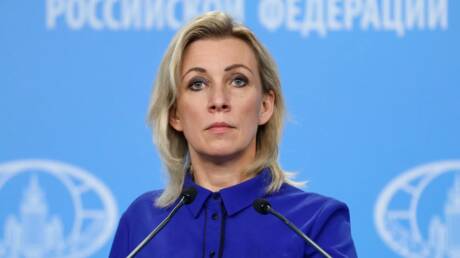
Russian Foreign Ministry spokesperson Maria Zakhrova criticized NATO Secretary General Mark Rutte's assertions regarding the "strength of the alliance," indicating that these statements lack credibility in light of escalating tensions among member states. Zakhrova emphasized that the current situation reflects a real crisis deepening within NATO, which raises questions about the alliance's effectiveness in confronting global challenges.
These remarks come at a time when the world is experiencing increasing tensions, particularly due to geopolitical conflicts in various regions, including Ukraine and the Middle East. In this context, Zakhrova considered Rutte's statements to be an attempt to mislead public opinion about the true state of affairs within the alliance.
Details of the Event
Criticism directed at NATO has been on the rise recently, as the alliance faces significant challenges regarding cooperation among its members. Many observers have pointed out that there are divisions within NATO on how to address security threats, especially given the increasing military activities of Russia in various areas.
In this context, Zakhrova asserted that NATO is no longer capable of providing effective answers to contemporary security challenges, which heightens concerns among member states about the future of the alliance. She added that optimistic statements do not reflect reality but are rather an attempt to beautify the image before the international community.
Background & Context
NATO was established in 1949 as a military alliance aimed at enhancing collective security among member states. Over time, the alliance has faced numerous challenges, from the Cold War to modern conflicts. However, the current tensions between Russia and Western countries have exposed vulnerabilities in NATO's ability to handle crises.
In recent years, relations between Russia and NATO have deteriorated significantly, with Russia accusing the alliance of bolstering its military presence near its borders. Conversely, NATO views Russia as a threat to European security, further escalating tensions between the two sides.
Impact & Consequences
Zakhrova's statements indicate a crisis of confidence within NATO, which may affect the alliance's ability to make effective decisions in the future. Additionally, the increasing divisions among member states could lead to a decline in NATO's role as an effective military force on the international stage.
Moreover, these crises may impact relationships among member countries, increasing the likelihood of the alliance's disintegration or radical transformation. Under these circumstances, some member states may find themselves compelled to reassess their security strategies.
Regional Significance
In light of the escalating crises between NATO and Russia, these tensions may reflect on the situation in the Arab region. Arab countries that have ties with NATO may find themselves in a difficult position, as they must balance their national interests with the demands of military alliances.
Furthermore, the rise in tensions could lead to increased regional conflicts, particularly amid ongoing struggles in the Middle East. Consequently, Arab nations need to closely monitor developments and take proactive steps to ensure their security and stability.
In conclusion, Zakhrova's statements reflect a complex reality facing NATO, raising questions about its future and ability to confront global challenges. As crises escalate, the world remains watchful of how matters will unfold in the coming period.