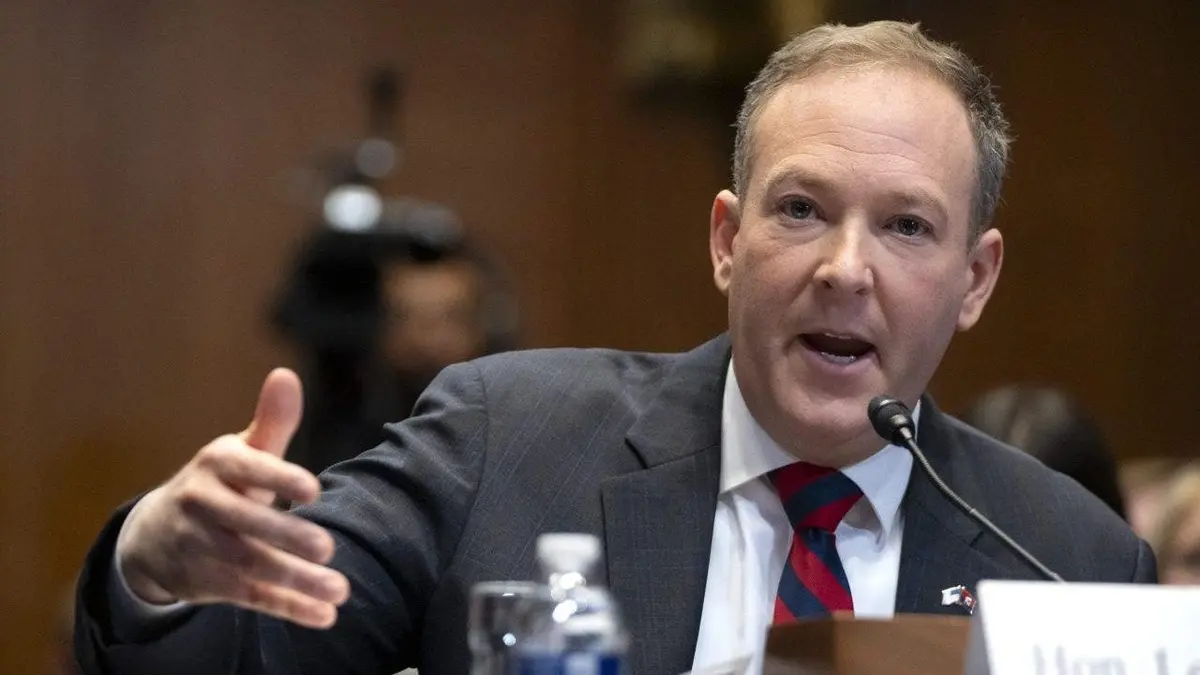
In a controversial move, U.S. Congressman Lee Zeldin announced the repeal of the core climate rule, sparking mixed reactions in political and environmental circles. Zeldin, who represents New York, urged climate change skeptics to celebrate what he views as a 'victory' over previous environmental policies.
This decision comes at a sensitive time, as concerns about the impacts of climate change on the environment and human health are escalating. Zeldin indicated that repealing this rule would allow businesses to operate with greater freedom without regulatory constraints, which he considers a step towards boosting the economy.
Details of the Repeal
The rule that has been repealed aimed to set basic standards for reducing carbon emissions from factories and vehicles. It was implemented during the previous administration and was part of global efforts to combat climate change. However, Zeldin argued that these regulations hindered economic growth and increased production costs.
At the same time, many experts criticized this decision, pointing out that repealing environmental regulations could exacerbate environmental crises and increase health risks. They warned that this could undermine global efforts to combat climate change.
Background & Context
Historically, the United States has been a leader in establishing environmental policies, but in recent years, the country has witnessed a shift in political attitudes towards climate issues. With increasing pressure from environmental groups, previous administrations attempted to implement rules aimed at reducing carbon emissions.
However, political shifts have led to a divergence in policies, with some administrations seeking to promote economic growth at the expense of the environment. This new direction reflects the deep political divide over climate issues in the United States.
Impact & Consequences
The repeal of the core climate rule could have far-reaching effects on the environment and public health. Experts warn that this decision may lead to increased carbon emissions, potentially contributing to the worsening of global warming.
Moreover, this decision could affect international relations, as the United States has been part of global agreements to combat climate change. Repealing these rules may weaken the U.S. position in international forums and impact global cooperation in this area.
Regional Significance
For the Arab region, the impacts of climate change are a vital issue. Arab countries face significant challenges due to rising temperatures and water scarcity. The repeal of environmental regulations in the United States could increase pressures on Arab nations striving to achieve sustainable development goals.
Additionally, shifts in U.S. policies may affect investments in renewable energy in the region, as Arab countries seek to diversify energy sources and reduce reliance on fossil fuels.
In conclusion, the repeal of the core climate rule in the United States raises many questions about the future of environmental policies worldwide. As environmental challenges grow, hope remains pinned on international cooperation to address these issues.