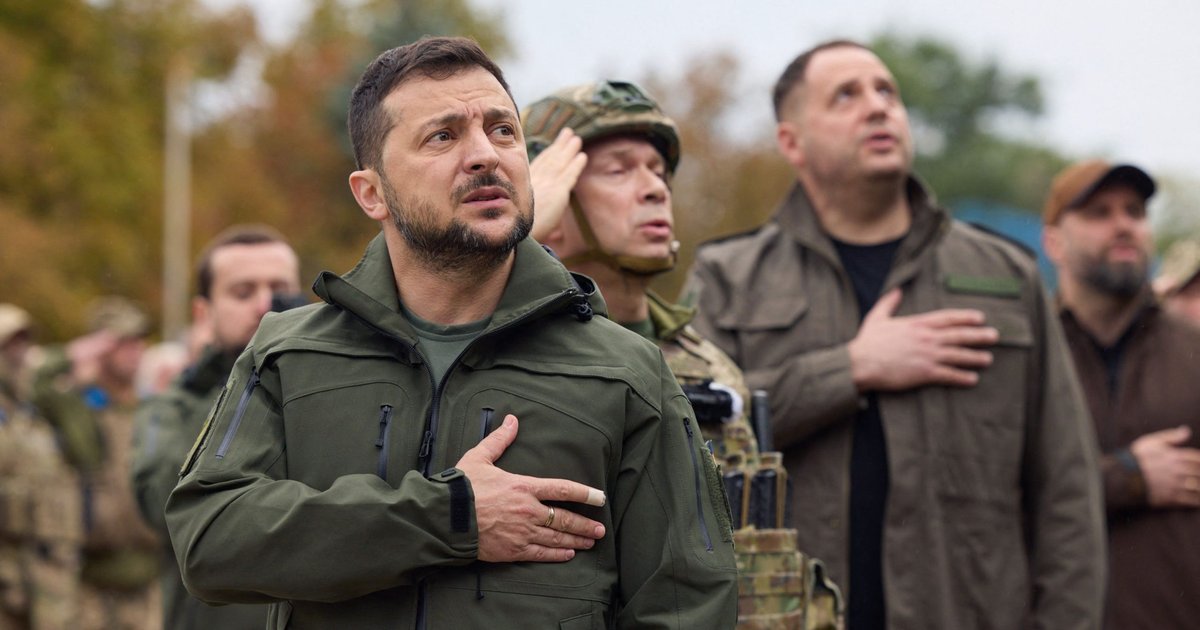
Ukrainian President Volodymyr Zelensky has announced his country's readiness to discuss various types of ceasefires with Russia, including a full ceasefire and ceasefires related to energy and food security. This statement was made during a press conference where he emphasized the importance of finding solutions to the current crisis. Zelensky added that if Russia is willing, Ukraine is ready to discuss any timeline to achieve this.
Zelensky's remarks come at a time when Ukraine is experiencing an escalation in the conflict with Russia, as Russian forces continue their military operations in several regions. The Ukrainian president pointed out that dialogue is the only way to end the conflict, and that his country is open to any proposals that could contribute to achieving peace.
Details of the Announcement
During the press conference, Zelensky clarified that Ukraine is prepared to discuss several types of ceasefires, including a full ceasefire that encompasses all fronts, as well as a ceasefire related to energy, which is deemed essential under the current circumstances. He also highlighted the importance of a ceasefire in the area of food security, especially given the crises the world is facing due to the conflict.
The Ukrainian president affirmed that any proposal from the Russian side would be considered, and that Ukraine is ready to negotiate seriously. These statements reflect Ukraine's desire to end the conflict and achieve peace, despite the significant challenges it faces.
Background & Context
The roots of the Ukrainian-Russian conflict date back to 2014, when Russia annexed the Crimea Peninsula, leading to heightened tensions between the two countries. Since then, Ukraine has experienced an ongoing struggle with Russian-backed separatists in the eastern part of the country. In February 2022, Russia launched a large-scale military offensive against Ukraine, exacerbating the humanitarian situation and increasing the number of displaced persons.
Over the years, several countries and international organizations have attempted to mediate the conflict, but to no avail. Zelensky's recent statements may indicate a shift in Ukraine's approach to dialogue, potentially opening the door to new opportunities for peace.
Impact & Consequences
Zelensky's statements come at a sensitive time, as international pressure to end the conflict is increasing. Many Western countries support Ukraine in its efforts, but there are also calls for seeking diplomatic solutions. If Russia responds to these calls, it could lead to a de-escalation of tensions and an improvement in the humanitarian situation in the region.
On the other hand, the continuation of the conflict will exacerbate economic and humanitarian crises, not only in Ukraine but also in neighboring countries. The economic impact of the conflict extends to global markets, particularly in the areas of energy and food, making it essential to find quick and effective solutions.
Regional Significance
The Ukrainian-Russian conflict has direct and indirect effects on the Arab region. The economic crises resulting from the conflict impact food and energy prices, increasing pressure on Arab countries that rely on imports. Additionally, the influx of refugees from Ukraine to European countries may affect social and economic policies in those countries, which could reflect on relations with Arab nations.
In conclusion, hope remains for the possibility of achieving peace in Ukraine, as dialogue is the only way to end the conflict. Zelensky's statements reflect Ukraine's desire to seek solutions, but the question remains: will Russia respond to these calls?