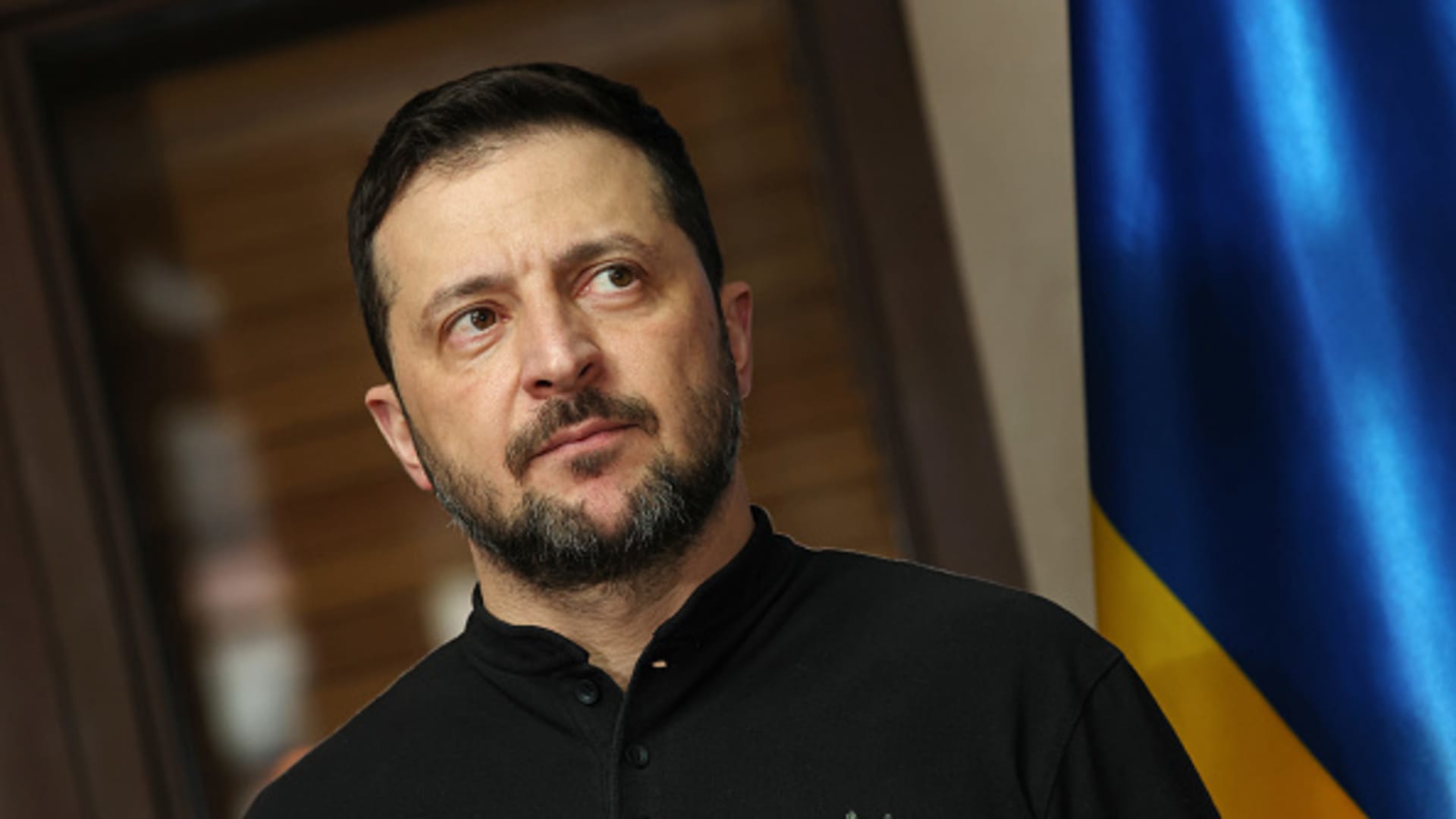
Ukrainian President Volodymyr Zelensky began a surprise visit to Saudi Arabia on Thursday, seeking the kingdom's support in facing the challenges Kyiv encounters in its war against Russia. This visit comes at a time when the United States is contemplating redirecting some military aid originally designated for Ukraine to the Middle East, amid escalating tensions with Iran.
During his visit, Zelensky met with Saudi Crown Prince Mohammed bin Salman in the city of Jeddah, where both sides discussed the rising military situations in the Middle East and the ongoing conflict in Ukraine. Zelensky expressed his expectations for holding "important meetings" during this visit, as Ukraine showcased its expertise in air defense and drone technology to support countries in the region suffering from Iranian attacks.
Event Details
More than 200 Ukrainian experts have been sent to Middle Eastern countries to advise on how to counter attacks that have caused significant damage to the region's energy infrastructure. Zelensky hopes to attract support from Gulf countries in Kyiv's war against Russia, which has entered its fifth year, at a time when doubts are increasing regarding Western military aid.
The Iranian Shahed-136 drone, known as the "kamikaze drone," has become a crucial part of modern warfare, as Moscow employs it in its ongoing invasion of Ukraine. Ukraine has achieved some success in downing these drones using fighter artillery, and has recently developed cheap, mass-produced interceptor drones.
Background & Context
Zelensky's visit comes at a sensitive time, with reports indicating that the Pentagon is considering redirecting equipment and weapons designated for Ukraine to the Middle East, according to the Washington Post. Pressures on U.S. ammunition stocks are increasing amid the escalating conflict with Iran, raising concerns about the possibility of a ground attack against Tehran.
Historically, relations between Ukraine and Gulf countries have been characterized by cooperation in various fields, but Zelensky's visit occurs during a time of rising tensions in the region, particularly with the increase in Iranian military activities. The previous Trump administration was also contemplating sending more troops to the Middle East, complicating the regional situation further.
Impact & Consequences
An analysis of the current situation suggests that an increase in U.S. military presence in the Middle East could escalate tensions, especially with conflicting signals regarding the possibility of peace talks. While Trump asserts that negotiations are progressing well, Tehran denies any direct talks with the United States.
Ukraine is also facing renewed Russian attacks at a time when U.S.-backed peace talks have stalled, increasing pressure on Kyiv to secure new military support from its NATO allies to bolster air defense stocks.
Regional Significance
Arab countries are directly affected by the rising tensions in the Middle East, as any U.S. military operations against Iran could have serious repercussions for regional security. Additionally, military cooperation between Ukraine and Gulf countries could enhance these nations' ability to confront Iranian threats, potentially altering the balance of power in the region.
In conclusion, Zelensky's visit to Saudi Arabia reflects the increasing challenges Ukraine faces in the context of its war with Russia, and underscores the importance of regional support amid escalating global tensions.